
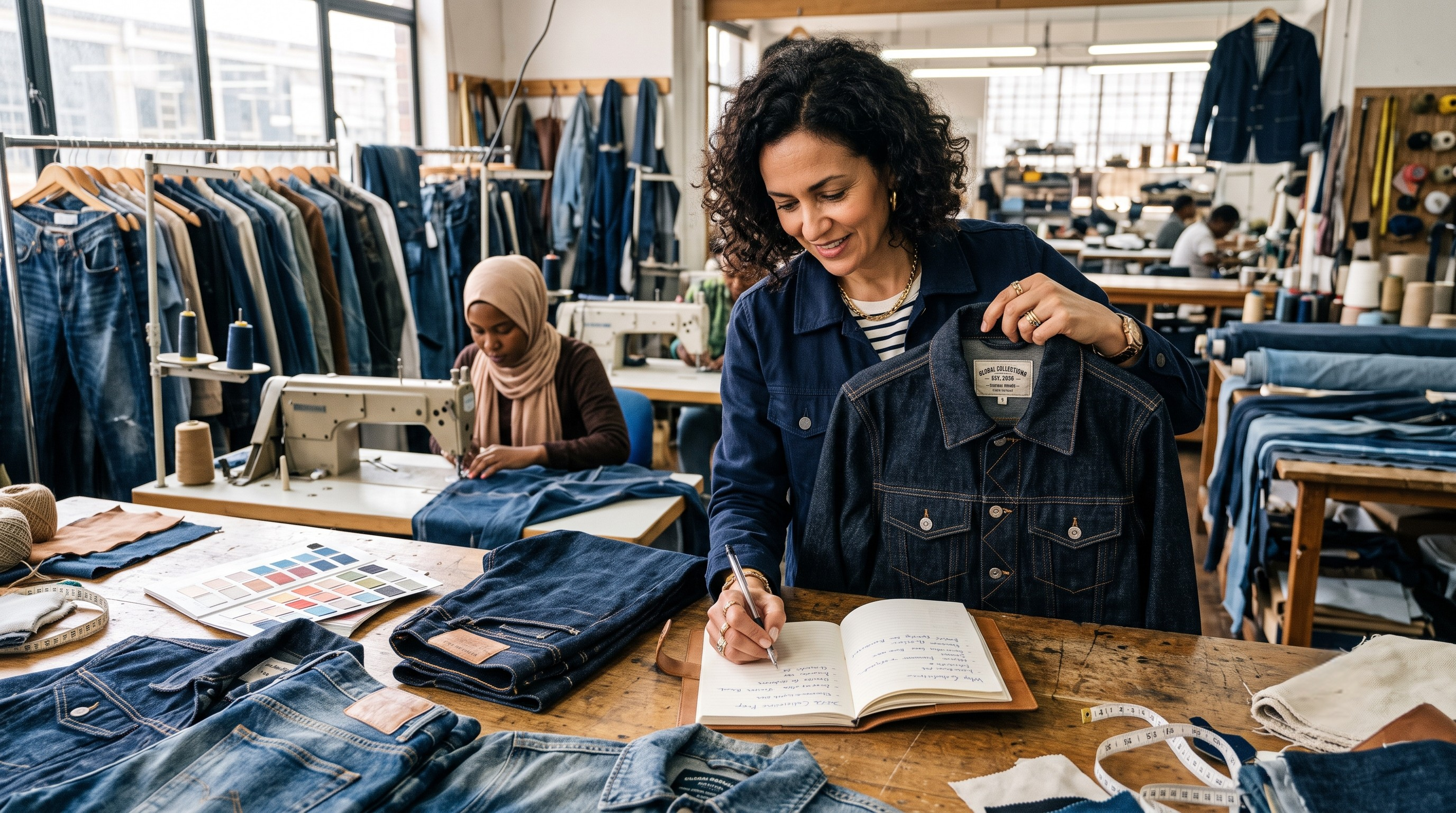
Custom and Private-Label Denim wear for Their 2026 Collections
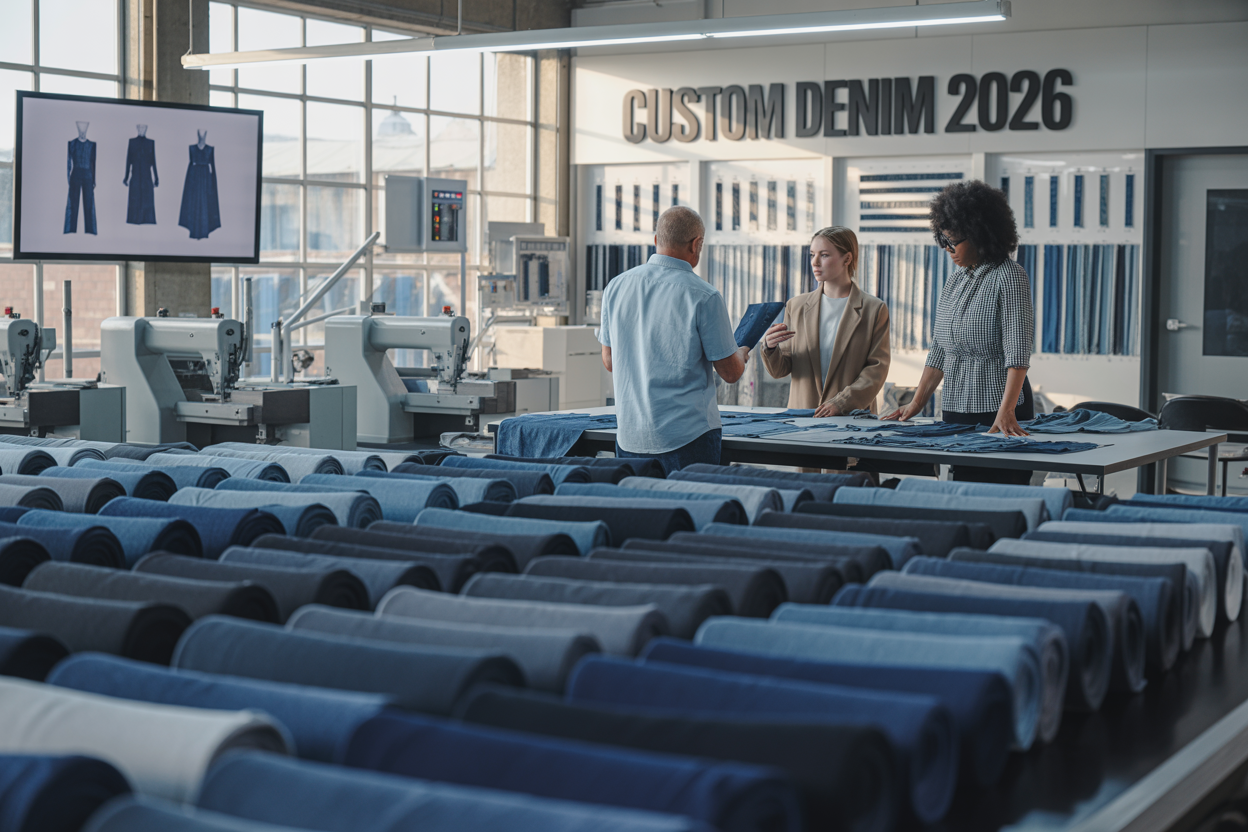
Global importers are making a major shift toward custom denim manufacturing and private label denim for their 2026 collections, driven by changing market demands and competitive pressures. This trend reflects retailers’ need to stand out in an oversaturated market while maintaining healthy profit margins.
For fashion buyers, import managers, and retail executives planning their denim sourcing strategies, understanding this shift is crucial for staying competitive in the evolving apparel landscape.
This analysis covers why global importers 2026 collections are increasingly featuring custom and private-label options. We’ll explore market trends driving custom denim demand and how brands are responding to consumer preferences for unique, personalized products. You’ll also discover the significant cost advantages of private-label denim manufacturing compared to branded wholesale purchasing, including improved margins and reduced inventory risks.
Finally, we’ll examine how custom denim production offers superior quality control and brand differentiation opportunities that help retailers build stronger customer loyalty and market positioning.
Market Trends Driving Custom Denim Demand in 2026

Rising consumer preference for unique and personalized fashion
Today’s consumers crave individuality in their clothing choices like never before. Social media has created a culture where standing out matters more than blending in, and generic denim simply doesn’t cut it anymore. Custom denim manufacturing has become the answer to this demand, allowing global importers to offer pieces that feel exclusive and personal to each customer.
The numbers tell the story – market research shows that 73% of millennials and Gen Z consumers are willing to pay premium prices for personalized products. This shift has pushed retailers to seek private label denim suppliers who can accommodate everything from custom washes and distressing to unique hardware and embellishments. Customers want jeans that tell their story, not just another pair off the rack.
Shift away from mass-produced generic denim products
The era of one-size-fits-all denim is rapidly ending. Consumers have grown tired of walking into stores and seeing identical jeans across multiple brands. This fatigue with mass production has opened massive opportunities for private label clothing manufacturing, especially in the denim sector.
Global importers are capitalizing on this trend by partnering with custom apparel production facilities that offer smaller batch runs and greater design flexibility. Instead of ordering 50,000 identical pieces, importers can now work with manufacturers to produce 5,000 units each of ten different styles, giving them the variety their customers demand while maintaining reasonable production costs.
This approach also reduces the risk of inventory pile-ups that plague mass-market brands. When every piece feels unique, customers are more likely to purchase immediately rather than waiting for sales.
Increasing demand for sustainable and ethically-made clothing
Environmental consciousness has moved from trend to necessity in fashion. Consumers actively research brands’ manufacturing practices, and denim – traditionally one of the most resource-intensive clothing items to produce – faces particularly intense scrutiny.
Custom denim trends now heavily favor eco-friendly production methods. Global importers are choosing suppliers who offer organic cotton options, water-saving dyeing processes, and recycled materials. Private label fashion brands can now highlight their commitment to sustainability as a key differentiator, something that’s nearly impossible when sourcing from large-scale generic manufacturers.
Ethical manufacturing has become equally important. Customers want to know their jeans were made in facilities that treat workers fairly and maintain safe working conditions. Custom manufacturers often provide greater transparency in their supply chains, allowing importers to confidently communicate their ethical standards to end consumers.
Growth of direct-to-consumer retail models
E-commerce has transformed how fashion brands operate, and direct-to-consumer models are particularly well-suited to custom denim. Online brands can now work directly with denim wholesale suppliers to create unique collections without the traditional retail markup chain.
This model allows for faster response to market demands and trends. When a particular wash or fit starts trending on social platforms, direct-to-consumer brands can quickly collaborate with their custom clothing manufacturers to produce similar styles within weeks, not months.
The data collection capabilities of direct-to-consumer brands also provide valuable insights to manufacturers. Detailed customer feedback about fit, quality, and style preferences helps custom denim producers refine their offerings and develop new products that better meet market demands.
Cost Advantages of Private-Label Denim Manufacturing
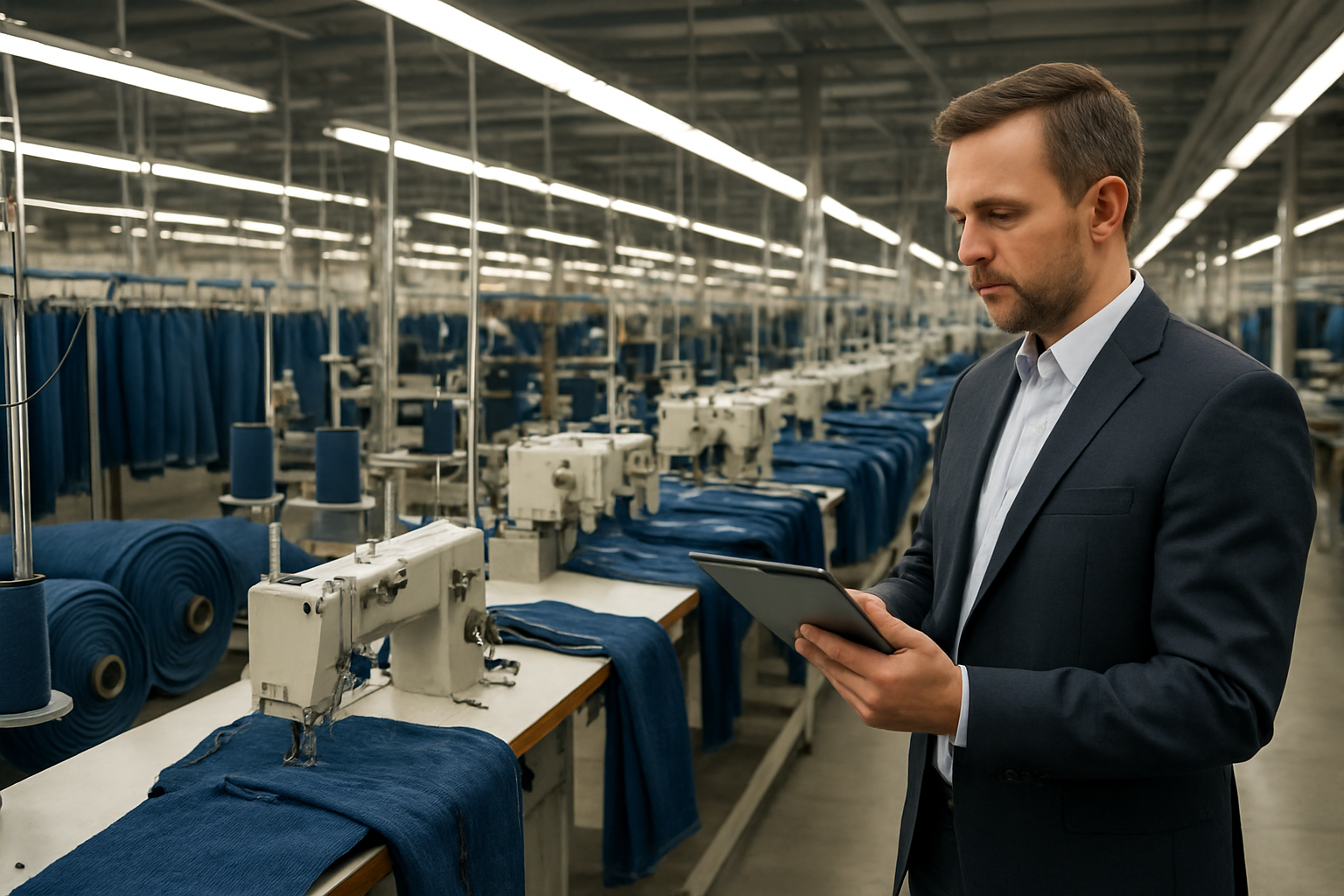
Elimination of brand licensing fees and royalty payments
Working directly with custom denim manufacturing partners means global importers can completely sidestep the expensive licensing agreements that come with established brand names. Brand licensing fees typically eat up 5-12% of wholesale revenue, while royalty payments can add another 3-8% on top of that. When you’re dealing with large volume orders for 2026 collections, these percentages translate to significant cost savings.
Private label denim production allows importers to create their own branded products without paying premiums for someone else’s name recognition. Instead of shelling out hefty upfront licensing fees and ongoing royalty payments, businesses can invest those funds directly into product quality, marketing their own brands, or expanding their collections. Many successful retailers have discovered that customers care more about fit, quality, and style than they do about premium brand labels – especially when the price point reflects real value.
The financial freedom from licensing agreements also means importers can pivot quickly when market trends shift. They’re not locked into long-term contracts with brand owners who might restrict product modifications or limit design flexibility.
Higher profit margins through direct manufacturer relationships
Direct partnerships with denim wholesale suppliers create substantial margin improvements for global importers. Traditional retail models often involve multiple intermediaries – brand owners, distributors, and agents – each taking their cut along the way. Private label clothing manufacturing eliminates these middlemen, allowing importers to capture margins that would otherwise be distributed across the supply chain.
Working directly with custom clothing manufacturers typically increases gross margins by 15-25% compared to buying branded merchandise. This improvement comes from several sources: no brand markup, direct pricing negotiations, and the ability to specify exactly what features and quality levels make sense for target markets.
The relationship between importers and manufacturers becomes more collaborative when there’s no brand owner dictating terms. Manufacturers often share cost-saving insights, suggest material alternatives, and work together on design modifications that can reduce production costs without compromising quality. This partnership approach leads to better pricing structures and volume discounts that branded products rarely offer.
Reduced inventory risks with smaller minimum order quantities
Custom denim trends change rapidly, and traditional branded manufacturers often require large minimum orders that create significant inventory risks. Private label denim manufacturing typically offers much more flexible order quantities, allowing importers to test new styles and respond to market feedback without committing to massive inventory investments.
Many custom apparel production facilities now accept minimum orders as low as 500-1000 pieces per style, compared to branded manufacturers who might require 5000+ pieces. This flexibility proves especially valuable when launching new collections or testing regional market preferences.
| Order Type | Typical Minimum | Inventory Risk | Testing Capability |
|---|---|---|---|
| Branded Denim | 5,000+ pieces | High | Limited |
| Private Label | 500-1,000 pieces | Low | Excellent |
| Custom Production | 200-500 pieces | Very Low | Maximum |
Lower minimums also mean importers can maintain fresher inventory, reduce carrying costs, and minimize markdowns on slow-moving styles. The denim manufacturing cost benefits extend beyond initial production savings to include reduced warehousing expenses and improved cash flow management.
Quality Control Benefits of Custom Denim Production
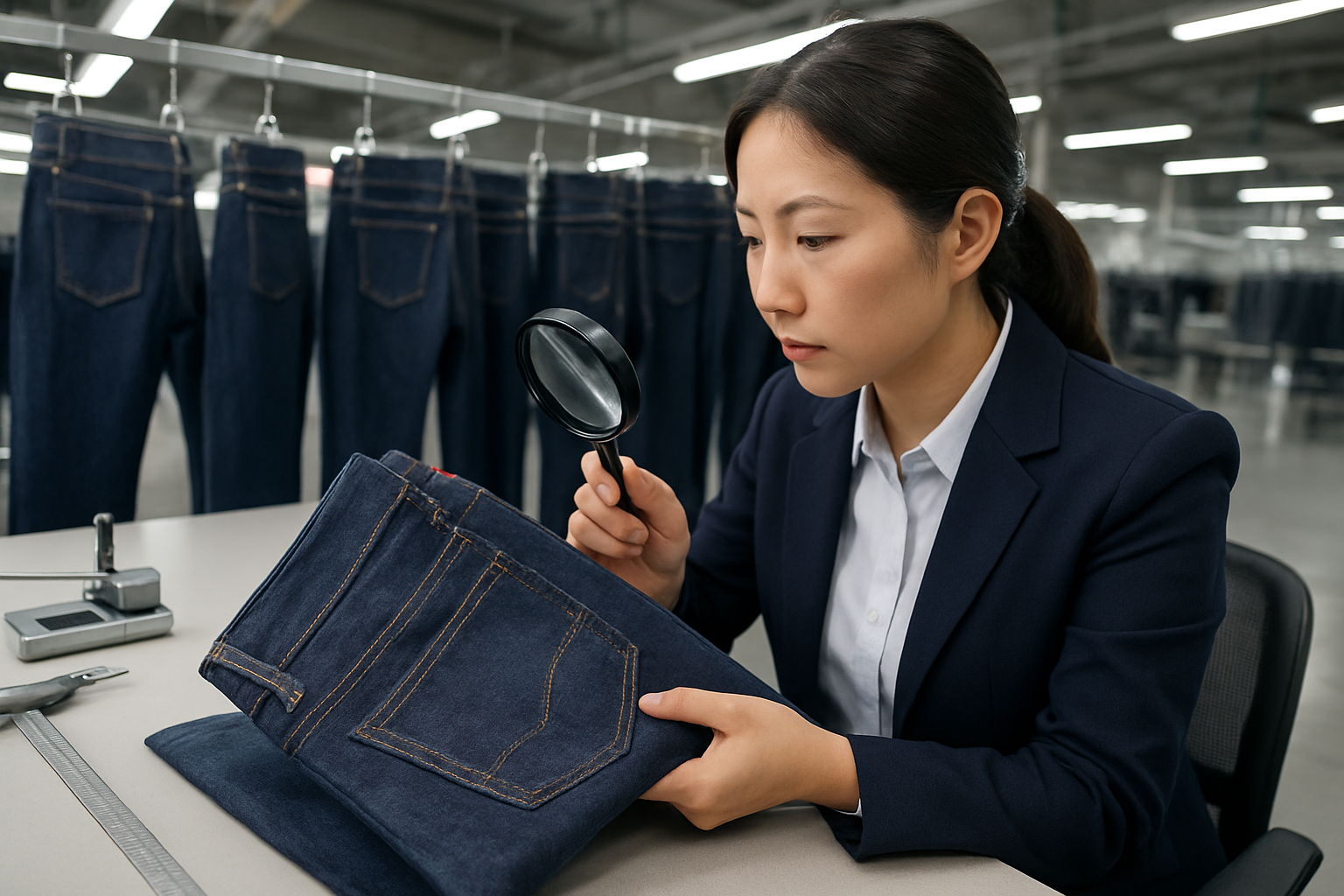
Direct oversight of manufacturing processes and materials
Working directly with custom denim manufacturing partners gives global importers unprecedented control over every aspect of production. Instead of accepting whatever materials and processes a mass manufacturer uses, importers can specify exactly which cotton sources they want, monitor fiber quality, and ensure sustainable practices meet their brand standards.
This hands-on approach means importers visit facilities, inspect raw materials before production begins, and work alongside factory teams to implement specific quality protocols. They can request detailed documentation of every production step, from yarn preparation to final finishing treatments. Many importers now station quality control representatives at manufacturing facilities during peak production periods, catching potential issues before they affect entire product runs.
The transparency gained through direct partnerships helps build stronger relationships with suppliers while maintaining consistent quality standards. Importers report significantly fewer surprises in final products when they maintain this level of involvement throughout the manufacturing process.
Ability to specify exact fabric weights and treatments
Private label denim production allows importers to create precise specifications that match their target market’s preferences. Rather than choosing from limited fabric options in mass production, custom manufacturing enables detailed customization of fabric weights, typically ranging from 8oz lightweight options for summer collections to heavy 16oz raw denim for premium lines.
Importers can specify unique treatment combinations that set their products apart. This includes:
-
Washing techniques: Stone washing, enzyme treatments, or eco-friendly ozone finishing
-
Distressing methods: Hand-sanding, laser treatments, or vintage-inspired wear patterns
-
Color applications: Custom indigo depths, specialty dyes, or unique fade characteristics
-
Texture modifications: Brushing, emerizing, or specialized coating applications
The ability to control these variables means importers can create signature looks that become associated with their brands. Custom denim manufacturers work closely with design teams to achieve specific aesthetic goals while maintaining durability and comfort standards.
Enhanced product consistency across production batches
Custom denim production provides better batch-to-batch consistency compared to mass manufacturing scenarios where importers compete with other orders for factory attention and resources. When working with dedicated custom manufacturers, detailed production protocols ensure each batch meets exact specifications.
Quality control systems in custom facilities typically include:
-
Standardized mixing ratios for dye formulations
-
Temperature and timing controls for washing processes
-
Consistent tension settings during fabric production
-
Regular calibration of finishing equipment
-
Detailed record-keeping for every production parameter
This systematic approach means customers receive products that match previous orders in terms of fit, color, and overall quality. Importers avoid the frustration of explaining color variations or sizing inconsistencies to their retail partners and end customers.
Faster resolution of quality issues through direct communication
Direct relationships with custom denim manufacturers create streamlined communication channels that speed up problem resolution dramatically. Instead of working through multiple layers of intermediaries, importers communicate directly with production managers and quality control teams.
When issues arise, custom manufacturers prioritize their dedicated partners’ concerns. Quick resolution typically involves:
-
Same-day response to quality concerns
-
Immediate production adjustments when problems are identified
-
Expedited sample creation to test solutions
-
Direct access to technical teams for consultation
-
Flexible scheduling to accommodate rush corrections
This responsive approach prevents small issues from becoming major problems that could delay entire seasonal collections. Many importers report that custom manufacturing relationships have cut their quality issue resolution time from weeks to days, keeping their supply chains moving smoothly and maintaining delivery commitments to retail partners.
Brand Differentiation Through Private-Label Denim
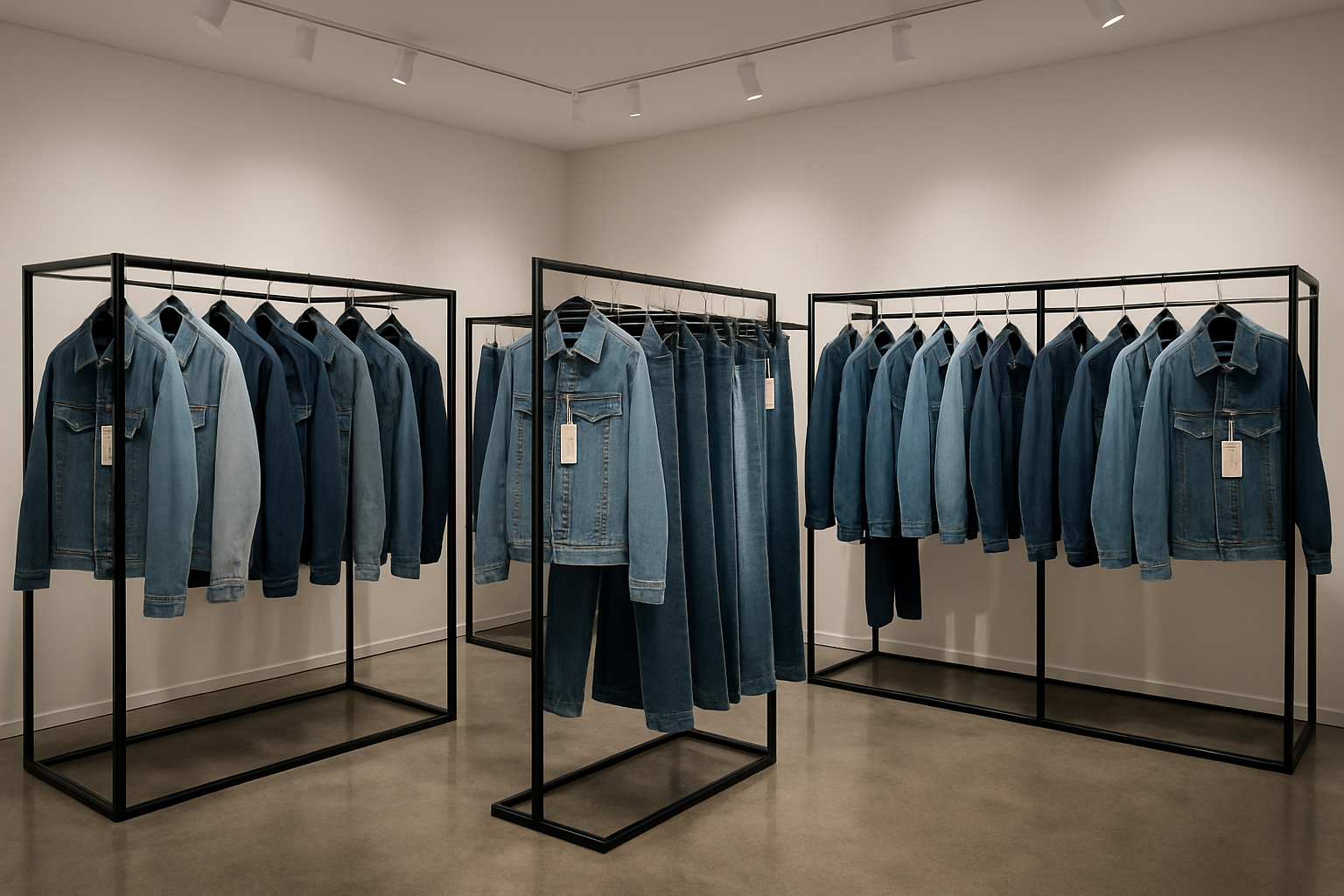
Creation of Exclusive Designs Unavailable from Competitors
Private label denim opens doors to truly unique designs that competitors simply can’t replicate. When global importers work directly with custom denim manufacturing partners, they gain access to proprietary washes, exclusive fabric blends, and innovative construction techniques that set their products apart. This exclusivity becomes a powerful competitive advantage in crowded retail markets.
Custom denim trends for 2026 point toward highly personalized aesthetics that reflect specific brand visions rather than generic market offerings. Importers can collaborate with manufacturers to develop signature color palettes, unique distressing patterns, and specialized treatments that become synonymous with their brand identity. These exclusive elements create barriers for competitors while building recognition among consumers who seek distinctive fashion choices.
Development of Signature Fits and Styling Details
The ability to create signature fits represents one of the most valuable aspects of custom denim manufacturing. Importers can develop proprietary sizing systems, unique silhouettes, and distinctive styling elements that become their trademark. This goes beyond basic alterations to encompass completely reimagined proportions, innovative pocket placements, and specialized seaming techniques.
Working with custom clothing manufacturers allows for extensive fit testing and refinement until the perfect silhouette emerges. These signature fits often become the foundation for entire product lines, creating consistency across collections while maintaining the unique characteristics that customers learn to associate with the brand.
Opportunity to Build Proprietary Brand Identity
Private label clothing manufacturing provides importers with complete control over their brand narrative. Every design decision, from hardware selection to stitching patterns, contributes to a cohesive brand identity that resonates with target audiences. This level of customization extends to labeling, packaging, and even manufacturing story, allowing brands to craft authentic experiences that connect emotionally with consumers.
The partnership between importers and denim wholesale suppliers specializing in custom production creates opportunities for storytelling that generic products cannot match. Brands can highlight unique production processes, sustainable practices, or innovative materials that align with their values and appeal to conscious consumers.
Enhanced Customer Loyalty Through Unique Product Offerings
Exclusive designs foster deeper connections between brands and their customers. When shoppers know they can only find specific fits, washes, or styling details from one retailer, it creates compelling reasons to return. This exclusivity transforms casual buyers into brand advocates who actively seek out new releases and recommend products to others.
Global importers 2026 strategies increasingly focus on building these loyal customer bases through differentiated products rather than competing solely on price. The investment in custom development pays dividends through higher margins, reduced price sensitivity, and stronger brand equity that competitors struggle to erode.
Supply Chain Flexibility and Speed-to-Market Advantages
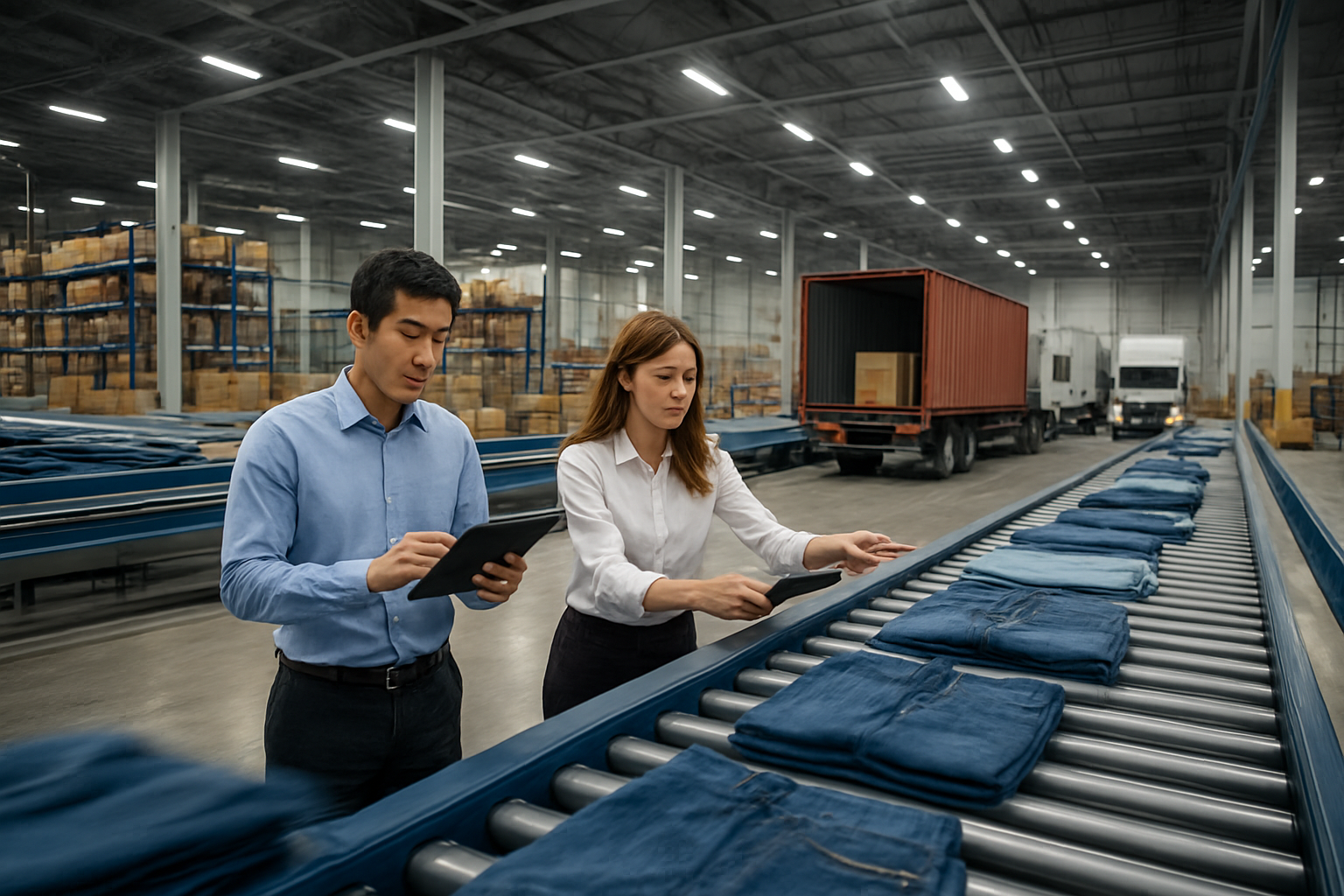
Faster product development cycles without third-party approvals
Global importers working directly with custom denim manufacturing partners enjoy unprecedented control over their product development timelines. Without the need to navigate complex approval processes with established brands or licensing agreements, companies can move from concept to production-ready samples in just weeks rather than months. This autonomy becomes especially valuable when testing new washes, fits, or sustainable fabric innovations that require multiple iterations.
Private label denim production eliminates the bottleneck of brand approval hierarchies that traditionally slow down the creative process. Design teams can implement feedback immediately, adjust specifications on the fly, and pivot product directions based on market intelligence without waiting for corporate sign-offs from multiple stakeholders.
Quick adaptation to changing fashion trends and consumer demands
The fashion landscape moves at breakneck speed, and custom apparel production gives importers the agility to respond to emerging trends before competitors catch up. Whether it’s incorporating viral TikTok-inspired distressing techniques or adapting to sudden shifts toward oversized silhouettes, private label clothing manufacturing allows for rapid prototyping and small batch testing.
Smart importers leverage this flexibility to create limited-edition collections that generate buzz and test market appetite without massive inventory commitments. When a particular style takes off, scaling production becomes a matter of weeks rather than quarters, giving these companies a significant competitive edge in capturing trend-driven sales.
Streamlined communication between importers and manufacturers
Direct partnerships with denim wholesale suppliers create cleaner communication channels that eliminate the telephone game effect common in multi-layered supply chains. Importers can speak directly with pattern makers, wash technicians, and quality control teams, ensuring design intent translates accurately into finished products.
This direct line of communication proves invaluable when addressing technical challenges or implementing last-minute changes. Real-time problem-solving becomes possible when there’s no intermediary filtering messages between the brand vision and manufacturing execution.
Reduced lead times for seasonal collection launches
Custom clothing manufacturers specializing in private label work typically maintain more flexible production schedules than factories juggling multiple established brand contracts. This flexibility translates into shorter lead times for seasonal launches, allowing importers to place orders closer to actual selling seasons and reduce inventory risk.
The ability to compress traditional 6-month lead times to 3-4 months gives importers better visibility into market conditions and consumer preferences before committing to large production runs. This timing advantage becomes crucial during uncertain economic periods when consumer spending patterns shift rapidly.
Emerging Technologies Enhancing Custom Denim Production
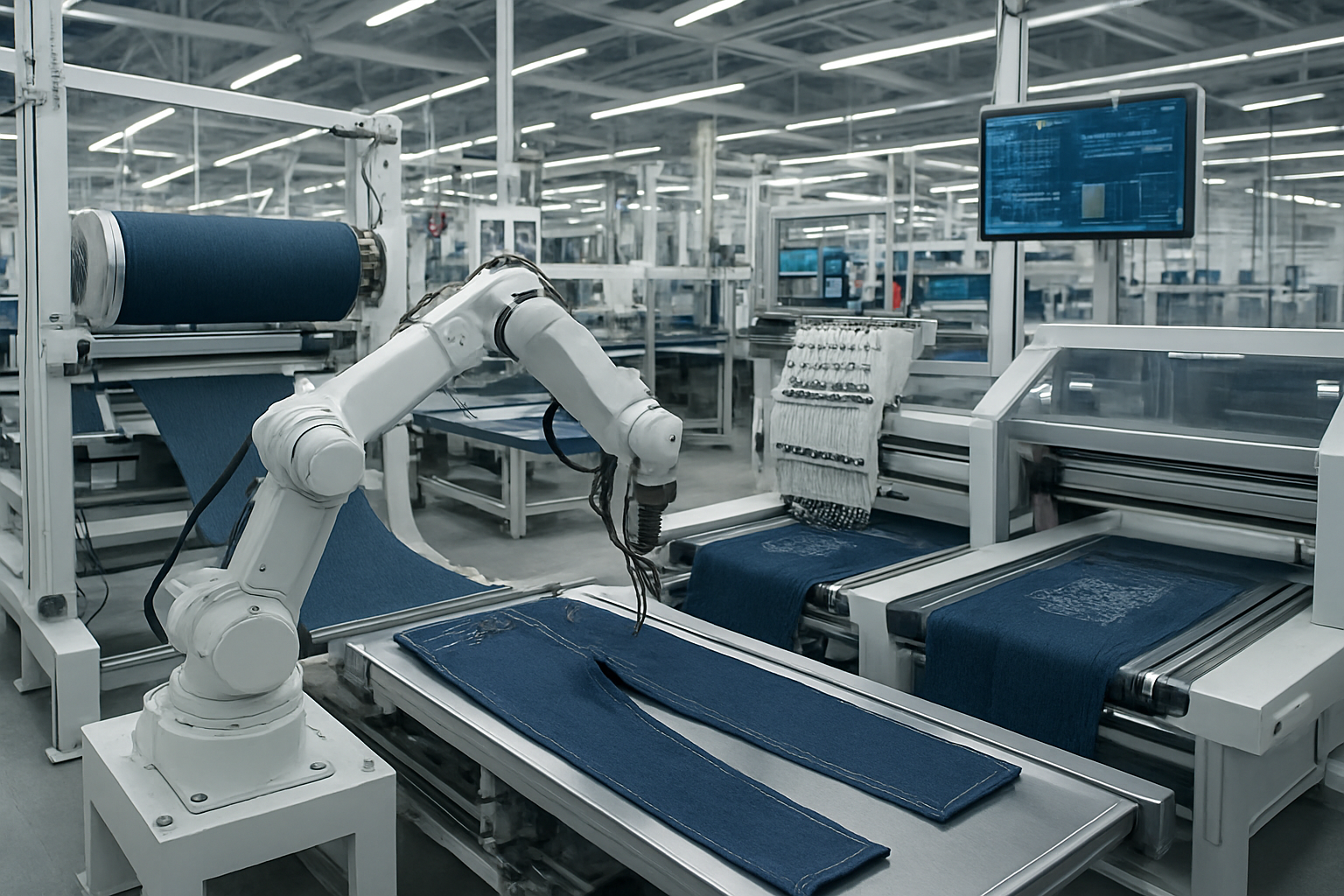
Digital Design Tools Enabling Rapid Prototyping and Sampling
Custom denim manufacturing has transformed dramatically with cutting-edge digital design platforms that slash development timelines from months to weeks. 3D visualization software allows designers to create photorealistic denim samples without producing physical prototypes, enabling global importers 2026 to make faster decisions on their collections.
CAD systems now integrate seamlessly with manufacturing equipment, translating digital designs directly to production patterns. This technology eliminates multiple revision cycles and reduces material waste by up to 40%. Custom denim trends show increasing adoption of AI-powered pattern optimization, which automatically adjusts fits across different size ranges while maintaining design integrity.
Virtual fitting rooms powered by augmented reality let buyers visualize how different washes, stitching patterns, and treatments will look on various body types. Private label denim manufacturers can now offer clients instant visualization of customization options, from pocket placements to contrast stitching colors.
Digital sampling platforms also enable real-time collaboration between custom clothing manufacturers and their international clients. Designers can make adjustments remotely, approve changes instantly, and track production progress through integrated dashboards. This streamlined workflow has become essential for meeting the accelerated product development cycles that define modern fashion retail.
Advanced Washing and Finishing Techniques for Unique Textures
Revolutionary washing technologies are reshaping how private label clothing manufacturing creates distinctive denim finishes. Laser technology has replaced traditional sandblasting methods, creating precise fade patterns while eliminating harmful silica exposure. These laser systems can replicate vintage wear patterns with microscopic accuracy, producing consistent results across large production runs.
Ozone washing represents another breakthrough in custom apparel production, reducing water consumption by 85% while achieving complex fade effects. This process uses ozone gas to break down indigo dyes in controlled patterns, creating authentic-looking wear without traditional pumice stones or extensive water rinsing.
Enzyme treatments have evolved to target specific areas of garments with surgical precision. Denim wholesale suppliers now offer bio-finishing options that create soft hand-feels while maintaining fabric strength. These enzymes work at molecular levels to remove excess dye and fiber fuzz, resulting in smoother textures that rival premium designer treatments.
Plasma technology adds another dimension to finishing options, modifying surface properties without chemical treatments. This process can create hydrophobic or hydrophilic effects, making denim water-repellent or ultra-absorbent depending on brand requirements. Custom denim manufacturing facilities equipped with plasma chambers can offer unique performance characteristics that differentiate private label collections in competitive markets.
Sustainable Dyeing Processes Meeting Environmental Standards
Environmental compliance has become non-negotiable for private label fashion brands entering global markets. Waterless dyeing technologies using supercritical CO2 eliminate liquid waste streams entirely while achieving vibrant, long-lasting colors. This process uses recycled carbon dioxide under high pressure to carry dyes deep into fabric fibers.
Natural indigo fermentation vats are making a comeback in high-end custom denim manufacturing, offering completely biodegradable dyeing solutions. Modern fermentation systems combine traditional techniques with precise pH and temperature controls, producing consistent blues that meet contemporary quality standards. These systems can operate continuously for months, reducing setup costs and energy consumption.
Digital ink-jet dyeing represents the future of small-batch customization, allowing denim manufacturing cost benefits through reduced minimum orders. These systems spray precise amounts of dye onto fabric surfaces, creating gradient effects and complex patterns impossible with traditional dip-dyeing methods. The technology supports unlimited color variations without additional setup costs.
Closed-loop water systems have become standard in leading manufacturing facilities, recycling 98% of process water through advanced filtration and treatment technologies. Global importers 2026 increasingly require certifications like OEKO-TEX and ZDHC compliance, driving adoption of safer chemical alternatives and real-time effluent monitoring systems that ensure environmental standards are maintained throughout production cycles.
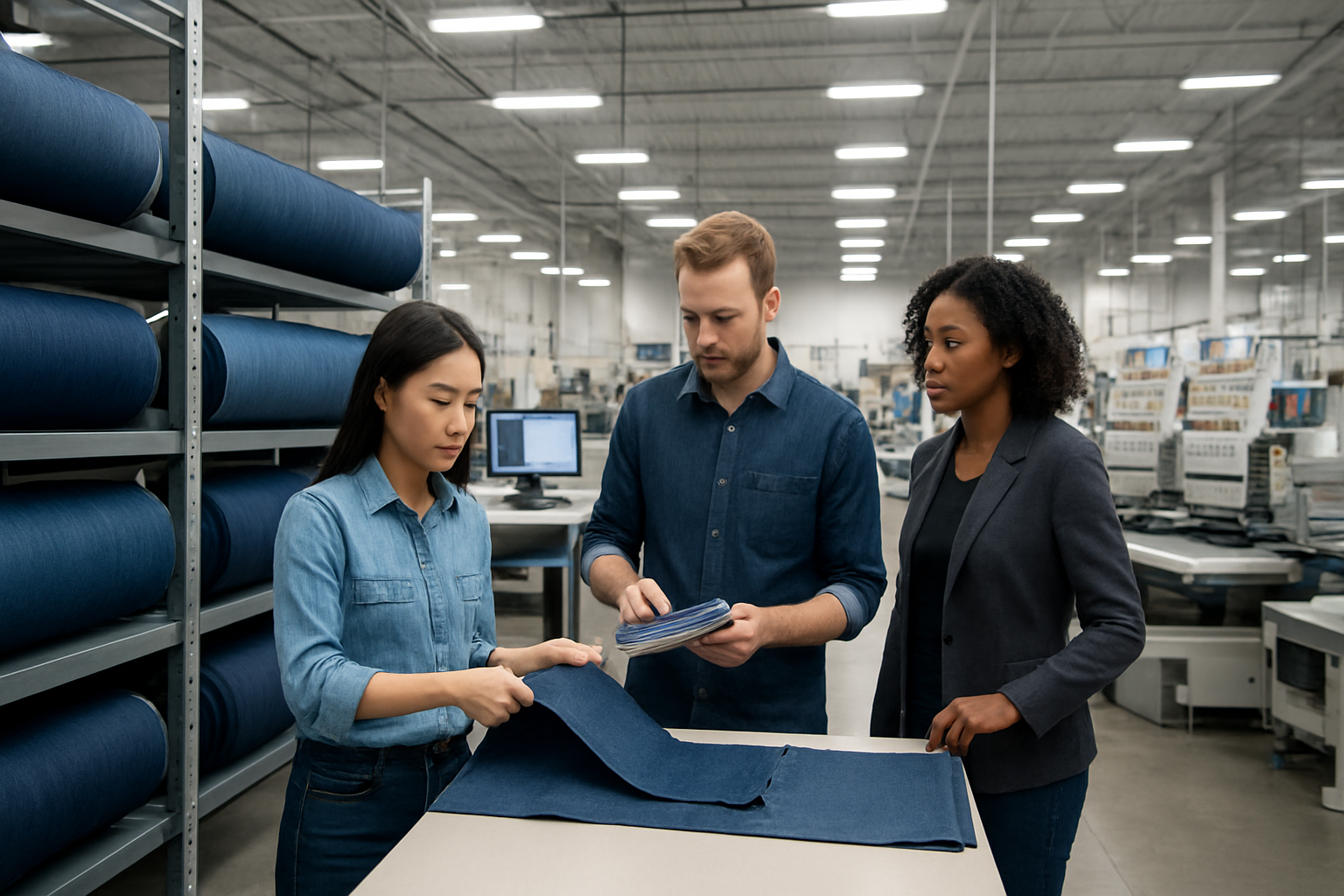
The denim industry is clearly shifting toward customization and private-label manufacturing as we head into 2026. Global importers are discovering that custom denim offers them better cost control, superior quality management, and the flexibility to respond quickly to market changes. The ability to differentiate their brands while maintaining competitive pricing makes private-label denim an attractive option for retailers looking to stand out in a crowded marketplace.
Smart importers aren’t waiting to see how this trend develops – they’re already building relationships with manufacturers who can deliver on these custom solutions. If you’re considering making the switch to private-label denim for your collections, now is the time to start exploring your options. The combination of emerging technologies, improved supply chain efficiency, and growing consumer demand for unique products creates a perfect opportunity to strengthen your brand position in the denim market.

