

Export-Quality Denim Different from Domestic Denim
When shopping for jeans, you might wonder why some brands cost significantly more than others and why certain denim feels so much better. The difference often comes down to export quality denim versus standard domestic options.
This guide is for fashion enthusiasts, retailers, and anyone curious about what separates premium denim from regular jeans. Understanding these differences helps you make smarter purchasing decisions and appreciate the craftsmanship behind high-quality denim fabric.
We’ll explore how superior raw material quality standards set export grade denim apart from typical domestic alternatives. You’ll discover the advanced manufacturing processes and technology that create denim with enhanced durability and performance features. Finally, we’ll examine the international compliance and certification standards that ensure premium denim manufacturing meets global quality expectations.
The gap between domestic denim vs export denim isn’t just about price—it’s about materials, construction methods, and meeting strict international denim standards that deliver lasting value.
Superior Raw Material Quality Standards
Premium Cotton Sourcing from Certified International Farms
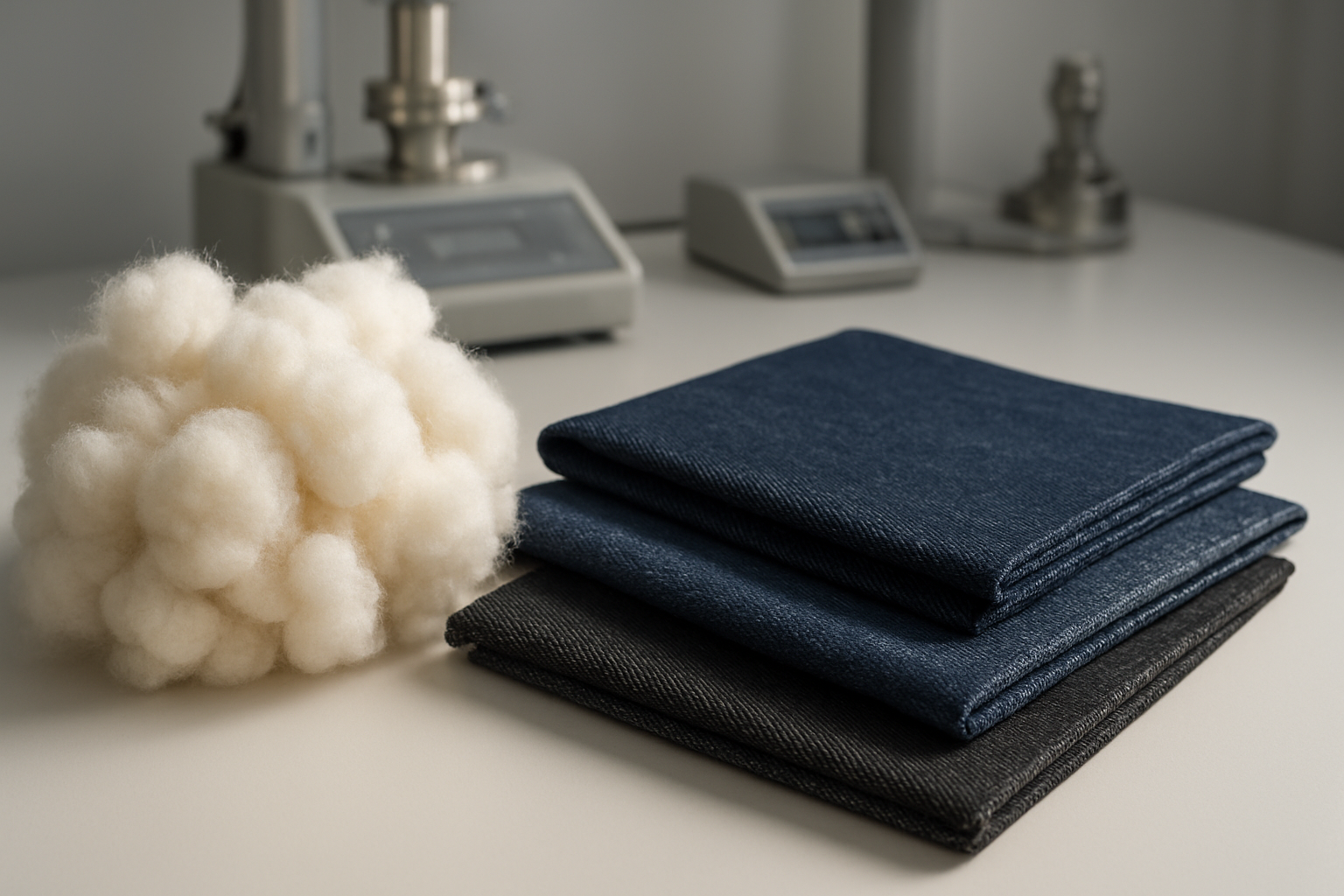
Export quality denim manufacturers prioritize cotton sourced from premier growing regions like the San Joaquin Valley in California, the Nile Delta in Egypt, and select areas of Australia and Peru. These farms maintain strict agricultural practices that enhance fiber quality through controlled irrigation, soil management, and harvest timing. Pima cotton and Supima cotton varieties dominate export-grade production due to their superior characteristics.
The certification process involves multiple third-party audits examining farming methods, chemical usage, and environmental impact. Organizations like Better Cotton Initiative (BCI) and Organic Content Standard (OCS) provide verification that ensures premium denim manufacturing meets international sustainability requirements. Certified farms typically yield cotton with consistent micronaire readings between 3.5-4.9, indicating optimal fiber maturity and fineness.
Traceability systems allow manufacturers to track cotton from specific farm lots through the entire production chain. This transparency enables quality control measures that domestic denim producers often bypass due to cost considerations. Export manufacturers often establish long-term partnerships with certified farms, securing access to the highest grades of cotton while domestic producers frequently source from commodity markets with mixed quality batches.
Higher Fiber Length and Strength Requirements
Export grade denim features cotton fibers measuring 1.125 inches or longer (28.6mm+), significantly exceeding the 1.0-inch minimum typical in domestic production. These extended staple lengths create stronger yarn construction and reduce breakage during high-speed manufacturing processes. The longer fibers also contribute to smoother fabric surfaces and enhanced dye absorption.
Fiber strength measurements for superior denim materials reach 29-32 grams per tex, compared to 25-28 grams per tex in standard domestic fabrics. This increased tensile strength translates directly to garment durability and resistance to tear propagation. Manufacturers use High Volume Instrument (HVI) testing to verify that cotton meets these stringent requirements before processing.
| Quality Parameter | Export Denim | Domestic Denim |
|---|---|---|
| Fiber Length | 1.125″+ (28.6mm+) | 1.0″-1.1″ (25.4-27.9mm) |
| Fiber Strength | 29-32 g/tex | 25-28 g/tex |
| Micronaire | 3.5-4.9 | 3.0-5.5 |
| Length Uniformity | 83%+ | 80%+ |
The uniformity index measures fiber length consistency within each bale, with export quality maintaining 83% or higher uniformity compared to 80% in domestic grades. This consistency reduces manufacturing defects and creates more predictable dyeing results across production runs.
Rigorous Quality Testing and Grading Protocols
International denim standards require comprehensive testing protocols that examine every aspect of raw cotton quality before processing begins. Testing laboratories analyze fiber properties using advanced equipment like the Uster Tensorapid for strength testing and the Advanced Fiber Information System (AFIS) for detailed fiber analysis.
Quality control procedures include moisture content verification (typically 6.5-8.5%), foreign matter detection, and color grade assessment using standardized light conditions. Each cotton bale receives a detailed quality report documenting all measured parameters, allowing manufacturers to blend fibers strategically for optimal yarn performance.
Contamination screening identifies and removes foreign materials including plastic fragments, seed coat fragments, and other plant matter that could create fabric defects. Export quality protocols maintain contamination levels below 50 particles per gram, while domestic standards often accept higher contamination rates.
Pre-production testing includes yarn strength analysis, elongation measurements, and evenness testing using Uster statistics. These comprehensive evaluations ensure that high-quality denim fabric meets international performance benchmarks before weaving begins. Batch documentation creates complete traceability records that international buyers require for quality assurance and compliance verification.
Advanced Manufacturing Processes and Technology
State-of-the-art Weaving Machinery for Consistent Fabric Quality
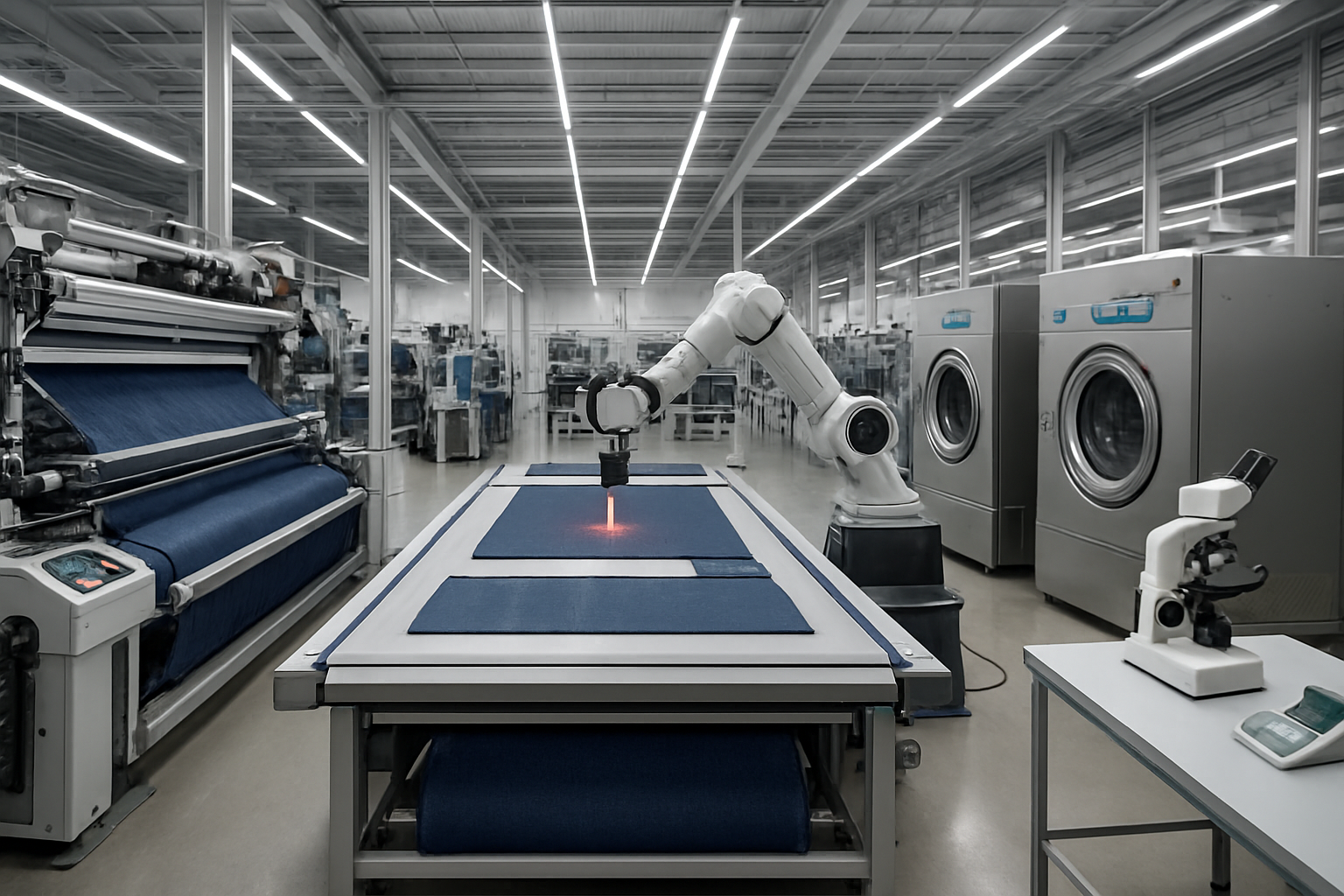
Export quality denim production relies heavily on cutting-edge weaving technology that domestic manufacturers often can’t match. Modern shuttle-less looms, particularly projectile and rapier looms, create fabrics with exceptional consistency in thread tension and weave structure. These machines operate at precise speeds while maintaining uniform yarn placement, resulting in denim that shows no irregularities in texture or weight distribution.
The advanced computerized controls on these machines monitor every aspect of the weaving process in real-time. Automatic tension adjusters prevent thread breaks and ensure each weft thread locks perfectly with the warp, creating the tight, durable weave that premium denim manufacturing demands. Ring-spun yarns feed through these machines at controlled rates, producing fabric with superior hand-feel and drape compared to cheaper open-end alternatives used in domestic production.
Precision Dyeing Techniques for Color Fastness
International denim standards require exceptional color retention, which export manufacturers achieve through sophisticated indigo dyeing processes. Rope dyeing systems use multiple dip-and-oxidation cycles, allowing indigo to penetrate yarn cores gradually while building rich, deep blues that won’t fade with washing.
Temperature and pH monitoring systems maintain optimal dyeing conditions throughout each batch. Export facilities often use continuous dyeing ranges where yarns pass through precisely controlled indigo baths, followed by controlled oxidation chambers. This process ensures consistent color saturation and prevents the patchy, uneven fading common in lower-grade denim.
The use of pre-reduced indigo solutions and specialized penetrating agents helps achieve better color fastness ratings. Many export manufacturers also employ sulfur bottom dyeing for black and darker shades, creating colors that maintain their intensity even after industrial washing cycles.
Enhanced Finishing Processes for Durability
High-quality denim fabric undergoes extensive finishing treatments that significantly improve performance characteristics. Sanforization, a controlled shrinkage process, prevents dimensional changes after consumer washing. This involves dampening the fabric, stretching it, and then passing it through heated cylinders under pressure.
Mercerization treatments increase yarn strength and luster while improving dye affinity. Export manufacturers often apply enzymatic treatments that remove loose fibers and create smoother surfaces without compromising fabric integrity. These bio-polishing processes use cellulase enzymes to modify surface fibers, reducing pilling and improving hand-feel.
Specialized coating applications, including water-repellent and stain-resistant treatments, add functional benefits. Some export facilities apply mechanical finishing techniques like calendering, which creates smooth, lustrous surfaces through controlled pressure and heat application.
Strict Quality Control at Every Production Stage
Denim production processes in export facilities include comprehensive testing protocols at multiple checkpoints. Raw material inspection begins with cotton fiber analysis using High Volume Instruments (HVI) that measure length, strength, and micronaire values. Yarn testing includes tensile strength, evenness, and twist measurements before weaving begins.
In-line monitoring systems track fabric weight, width, and defects during weaving. Automated inspection systems use cameras and sensors to detect broken threads, missing picks, or tension variations immediately. This real-time quality control prevents defective fabric from progressing through production stages.
Post-weaving quality assessments include shrinkage testing, colorfastness evaluation, and physical property measurements. Export grade denim features require meeting specific standards for tear strength, abrasion resistance, and seam slippage. Testing laboratories within export facilities often exceed domestic standards, using accelerated aging tests and wash cycles that simulate years of consumer use.
Final inspection protocols include visual examination under standardized lighting conditions, dimensional stability verification, and random sampling for laboratory analysis. These comprehensive quality measures ensure consistent product performance that meets international buyer specifications.
Enhanced Durability and Performance Features
Superior Tear and Abrasion Resistance
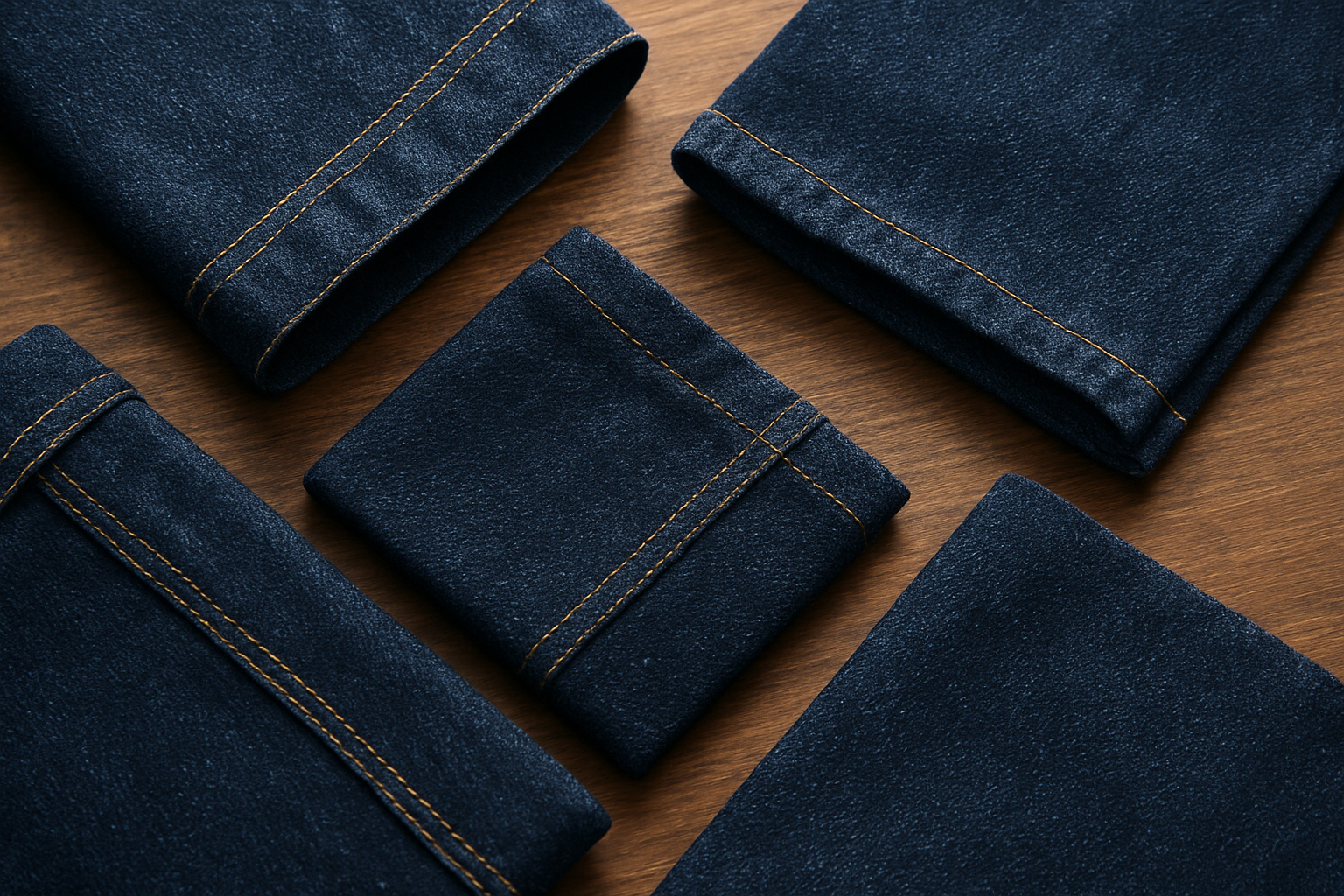
Export quality denim delivers exceptional tear and abrasion resistance that sets it apart from standard domestic alternatives. Manufacturers achieve this enhanced durability through carefully selected high-tensile strength cotton fibers and reinforced weaving patterns. The cotton used in premium denim manufacturing typically comes from specific regions known for producing longer, stronger fibers, such as American Pima or Egyptian cotton varieties.
The weaving process plays a crucial role in creating this superior resistance. Export grade denim features tighter weave structures with higher thread counts, creating a more robust fabric foundation. Many manufacturers employ ring-spun yarns rather than open-end spun yarns, which creates stronger individual threads that better withstand stress and friction.
Testing standards for export quality denim include rigorous abrasion resistance evaluations using standardized equipment like the Martindale abrasion tester. These fabrics typically withstand 50,000+ rub cycles before showing significant wear, compared to 20,000-30,000 cycles for standard domestic denim.
| Denim Type | Abrasion Resistance (Cycles) | Tear Strength (lbf) |
|---|---|---|
| Export Quality | 50,000+ | 45-60 |
| Standard Domestic | 20,000-30,000 | 25-35 |
Better Shape Retention After Multiple Washes
High-quality denim fabric maintains its original fit and silhouette through countless wash cycles, a hallmark of superior denim materials. This shape retention comes from advanced fiber treatments and precise fabric construction techniques that prevent excessive shrinkage and distortion.
Export quality denim undergoes pre-shrinking processes, including sanforization, which controls shrinkage to less than 3% even after multiple washes. The fabric structure incorporates elastane or other stretch fibers in carefully calculated percentages, typically 1-3%, providing flexibility while maintaining recovery properties.
The yarn preparation process includes mercerization treatments that strengthen cotton fibers and improve their dimensional stability. This chemical treatment swells the fiber, making it more receptive to dyes and increasing its tensile strength by up to 20%.
Premium denim manufacturers also employ controlled tension during the weaving process, ensuring consistent fabric density throughout the textile. This consistency prevents uneven shrinkage patterns that can distort the garment’s shape over time.
Fade-Resistant Properties for Long-Lasting Color
Color retention represents a significant differentiator between export quality denim and domestic alternatives. Superior denim materials maintain their rich, deep color through advanced dyeing techniques and high-quality indigo formulations.
The indigo dyeing process for premium denim manufacturing involves multiple dip cycles, often 8-12 times compared to 4-6 cycles for standard denim. This creates deeper color penetration and more consistent coverage throughout the yarn structure. Synthetic indigo used in export grade denim features higher purity levels and better binding properties.
Manufacturers employ specialized mordanting agents that create stronger chemical bonds between the dye molecules and cotton fibers. These agents help the color withstand UV exposure, chlorine bleach, and repeated washing without significant fading.
Post-dyeing treatments include anti-fading finishes that create protective barriers around the colored fibers. Some manufacturers use nano-coating technologies that provide additional color protection while maintaining the fabric’s breathability and comfort properties.
Color fastness testing for export quality denim typically achieves ratings of 4-5 on the standard gray scale, indicating minimal color change after exposure to various conditions including light, washing, and perspiration.
International Compliance and Certification Standards

Meeting Global Safety and Chemical Restrictions
Export quality denim faces strict regulations regarding chemical usage that domestic manufacturers might not encounter. International markets, particularly in the EU and North America, have banned or restricted numerous chemicals commonly used in textile processing. These include formaldehyde limits under 75ppm, restrictions on heavy metals like chromium and lead, and complete bans on azo dyes that release carcinogenic amines.
Premium denim manufacturing for export requires compliance with REACH (Registration, Evaluation, Authorization of Chemicals) regulations in Europe and CPSIA (Consumer Product Safety Improvement Act) in the United States. Manufacturers must provide detailed chemical testing reports for every batch, proving their denim production processes meet these stringent requirements.
Environmental Sustainability Certifications
The global push toward sustainable fashion has made environmental certifications essential for export grade denim features. Key certifications include:
-
OEKO-TEX Standard 100: Tests for harmful substances throughout the production chain
-
GOTS (Global Organic Textile Standard): Covers organic fiber processing and social criteria
-
Cradle to Cradle Certified: Focuses on circular economy principles
-
bluesign®: Comprehensive supply chain assessment for chemical management
These certifications require extensive documentation of water usage, energy consumption, and waste management practices. Export manufacturers often invest in advanced wastewater treatment systems and renewable energy sources to achieve these standards, driving up production costs but ensuring market access.
Labor and Ethical Manufacturing Standards
International denim standards increasingly include social compliance requirements. Major certifications include SA8000, WRAP (Worldwide Responsible Accredited Production), and BSCI (Business Social Compliance Initiative). These standards cover:
| Standard | Focus Areas | Key Requirements |
|---|---|---|
| SA8000 | Worker rights | Fair wages, safe working conditions, no child labor |
| WRAP | Manufacturing practices | 12-principle program covering labor, customs, security |
| BSCI | Supply chain ethics | Code of conduct implementation, regular audits |
Export manufacturers must demonstrate compliance through regular third-party audits, worker training programs, and transparent reporting mechanisms.
Traceable Supply Chain Documentation
Superior denim materials require complete supply chain transparency from cotton field to finished product. Export manufacturers maintain detailed records including:
-
Cotton origin certificates and organic/sustainable farming documentation
-
Chemical supplier certifications and safety data sheets
-
Production batch records with quality control checkpoints
-
Transportation and storage condition monitoring
-
Final product testing certificates
This level of documentation enables brands to meet consumer demands for transparency while satisfying regulatory requirements in target markets. Digital tracking systems and blockchain technology are increasingly used to maintain this comprehensive audit trail.
Economic Factors Driving Quality Differences
Higher Production Costs Justified by Premium Pricing
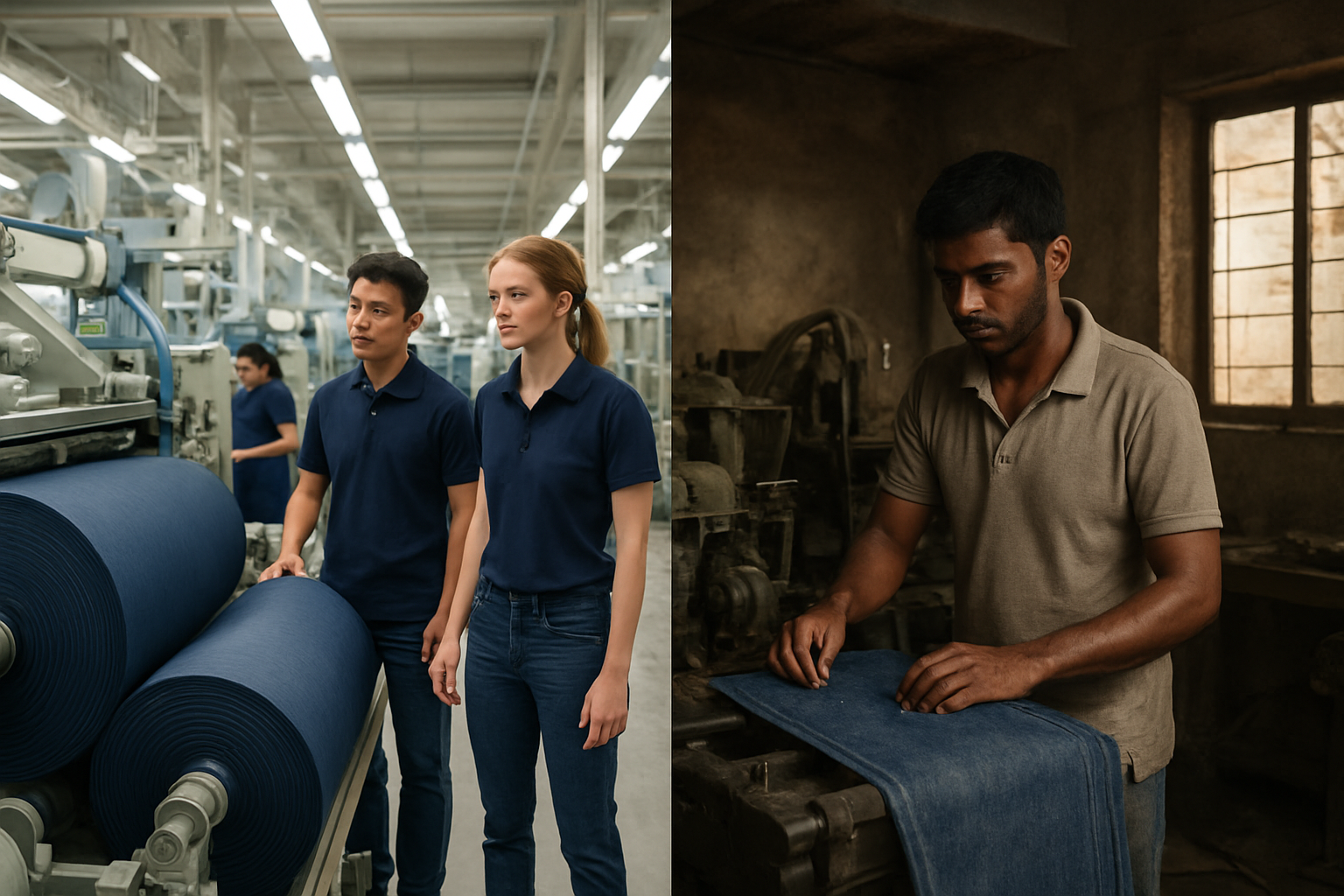
Export quality denim commands significantly higher production costs compared to domestic alternatives, but these investments pay off through premium pricing in international markets. Manufacturing facilities producing export grade denim features spend 30-40% more on raw materials alone, sourcing superior cotton fibers and using high-grade indigo dyes that resist fading. The additional costs extend to specialized equipment maintenance, longer processing times, and multiple quality control checkpoints that ensure every yard meets international standards.
Premium denim manufacturing requires precise temperature control, extended aging processes, and sophisticated washing techniques that consume more water, energy, and chemicals. While these processes increase operational expenses, they create products that retail for 2-3 times the price of standard domestic denim, making the investment financially viable for manufacturers targeting global markets.
Investment in Skilled Workforce and Training
Creating superior denim materials demands a workforce with specialized skills that domestic production rarely requires. Export-focused manufacturers invest heavily in training programs that teach workers advanced techniques like rope dyeing, sanforizing, and precision cutting. These skills take months to develop and require ongoing education to stay current with evolving international denim standards.
The wage differential reflects this expertise gap – skilled denim craftspeople in export facilities earn 40-60% more than their domestic counterparts. Manufacturers also invest in cross-training programs, technical certifications, and partnerships with international textile schools to maintain competitive advantages. This human capital investment creates a ripple effect, improving overall production quality while reducing defect rates and material waste.
Research and Development for Product Innovation
Leading export denim manufacturers allocate 3-5% of revenue to research and development, focusing on fabric innovation, sustainable production methods, and performance enhancement. These R&D investments drive breakthrough developments in stretch technology, moisture-wicking properties, and eco-friendly dyeing processes that domestic manufacturers typically cannot afford to pursue.
Innovation labs within export facilities experiment with new cotton blends, alternative fibers like Tencel and recycled polyester, and cutting-edge finishing techniques. The commercial denim quality differences become apparent through features like improved color retention, enhanced comfort, and extended durability that result from years of research investment.
Brand Reputation Requirements in International Markets
International buyers expect consistent quality that protects their brand reputation, forcing export manufacturers to maintain rigorous standards that domestic producers often overlook. Global fashion brands cannot afford quality inconsistencies that might damage customer trust, so they demand denim compliance certification and detailed quality documentation from their suppliers.
Export manufacturers must meet brand-specific requirements that vary between customers, requiring flexible production systems and quality control measures. These reputation-driven standards often exceed basic international requirements, pushing manufacturers to achieve excellence that becomes their competitive advantage in both export and premium domestic markets.
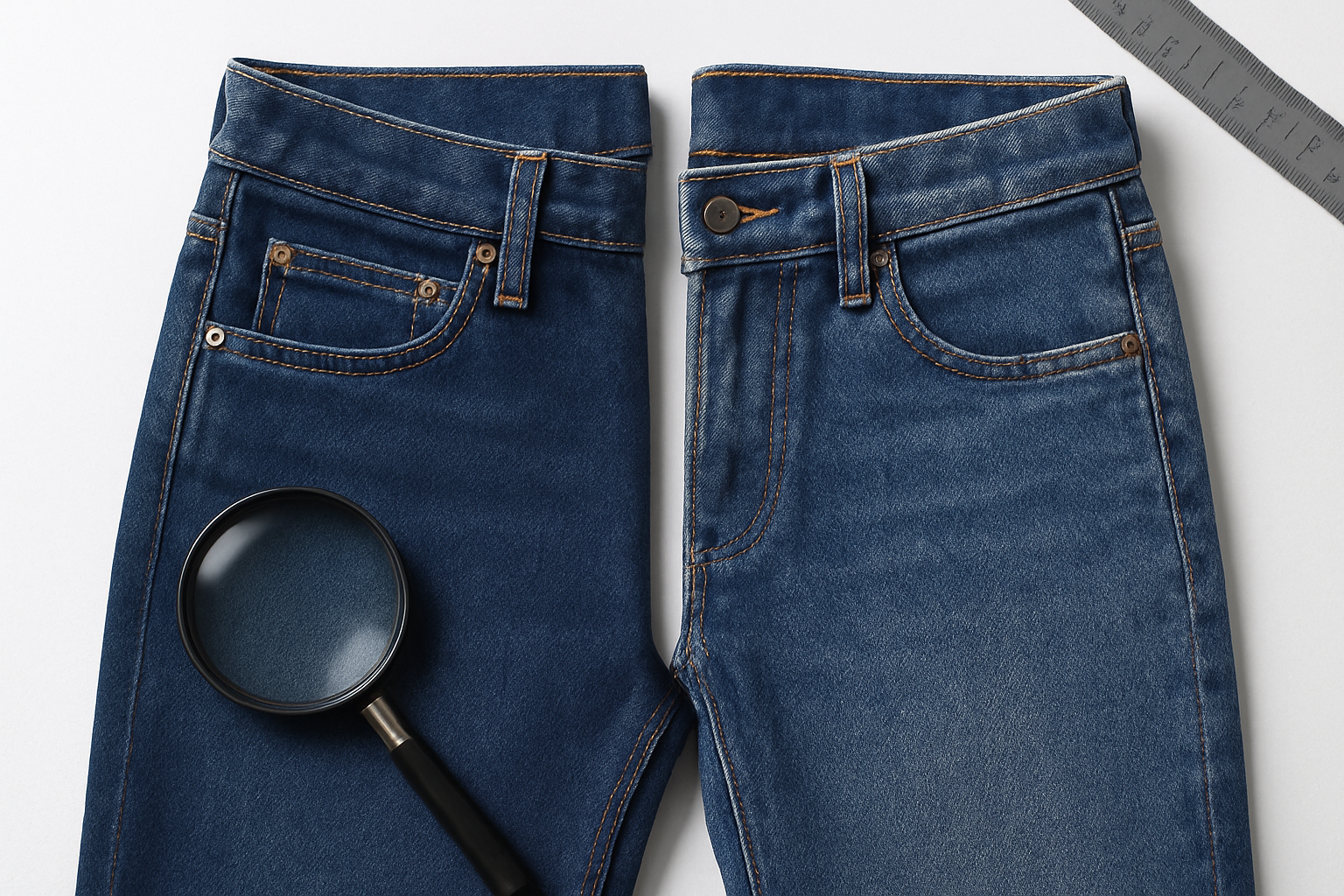
Export-quality denim stands apart from domestic alternatives through its commitment to excellence at every stage of production. From sourcing premium raw materials to implementing cutting-edge manufacturing techniques, these garments deliver superior durability and performance that justifies their premium positioning. The strict international compliance standards and certifications ensure that every piece meets global expectations for quality, safety, and environmental responsibility.
The economic factors driving these quality differences reflect the reality of competing in international markets where standards are non-negotiable. While domestic denim may serve local needs adequately, export-quality pieces offer longevity and performance that make them a smart investment for consumers who value quality over quick fixes. Next time you’re shopping for denim, consider looking for those international quality markers – your wardrobe and wallet will thank you in the long run.