


Private label denim offers importers a direct path to building their own clothing brand without the massive overhead of setting up manufacturing facilities. For entrepreneurs, fashion startups, and established retailers looking to expand their product lines, partnering with Indian denim manufacturers creates opportunities to develop custom denim production at competitive prices while maintaining quality control.
This guide is designed for business owners, fashion entrepreneurs, and importers who want to launch or expand their private label clothing brand through strategic partnerships with Indian textile manufacturers. Whether you’re a startup founder with your first denim concept or an established retailer adding jeans to your product mix, you’ll discover how to navigate the complexities of denim brand development overseas.
We’ll walk you through selecting the right manufacturing partner from India’s extensive network of denim producers, covering everything from evaluating capabilities to negotiating terms. You’ll also learn how to manage the complete production process, from initial design concepts through wholesale denim manufacturing, quality control, and final delivery. Finally, we’ll explore the logistics and import procedures that can make or break your private label jeans production timeline, plus strategies for building lasting relationships that support long-term brand growth.
Understanding Private Label Denim Manufacturing in India
Benefits of Choosing Indian Manufacturers for Denim Production
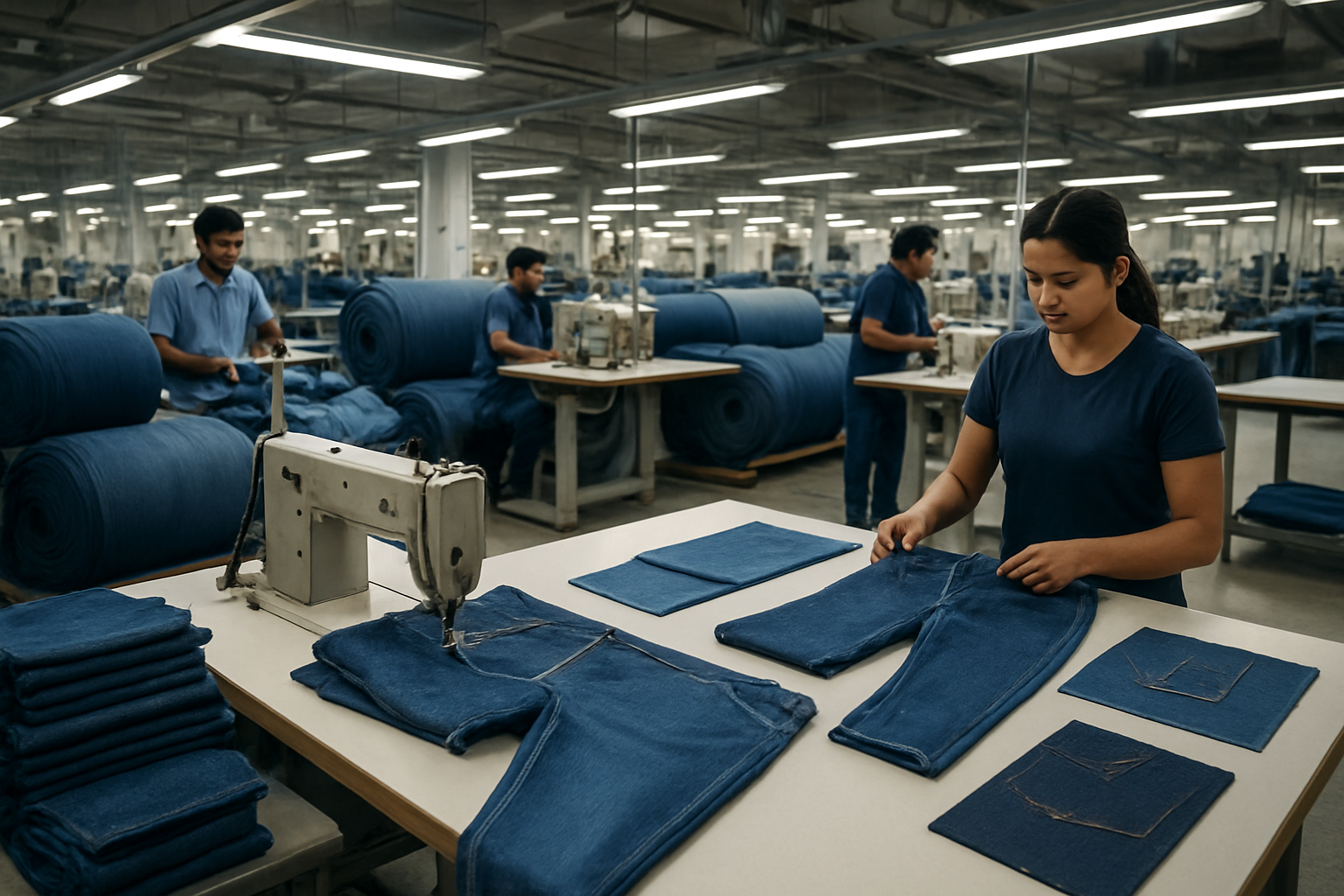
Indian denim manufacturers have transformed the global apparel landscape by offering exceptional value and quality for private label clothing brands. The textile industry in India boasts decades of expertise, with skilled artisans who understand the intricacies of denim production from yarn selection to finishing techniques.
Working with Indian textile manufacturers provides access to state-of-the-art equipment and innovative production methods. Many facilities have invested heavily in sustainable manufacturing processes, including water recycling systems and eco-friendly dyeing techniques. This commitment to environmental responsibility aligns perfectly with modern consumer expectations and brand values.
The flexibility offered by Indian manufacturers stands out as a major advantage. They can accommodate both small batch orders for emerging brands and large-scale production runs for established private label denim companies. This scalability allows businesses to grow without changing manufacturing partners, creating stability and consistency in product quality.
Cost Advantages and Quality Standards Available
Private label denim production in India offers significant cost benefits without compromising quality. Labor costs remain competitive compared to other manufacturing regions, while the skilled workforce ensures high-quality output that meets international standards.
| Cost Factor | India Advantage | Impact on Brand |
|---|---|---|
| Labor Costs | 40-60% lower than developed countries | Higher profit margins |
| Raw Materials | Local cotton production | Reduced material costs |
| Production Volume | Economies of scale | Better per-unit pricing |
| Quality Control | ISO certified facilities | Consistent product quality |
Many Indian denim manufacturing facilities hold international certifications including WRAP, OEKO-TEX, and GOTS, ensuring that quality standards meet or exceed global requirements. These certifications provide confidence for private label apparel manufacturing projects and help brands maintain their reputation in competitive markets.
The cost savings extend beyond basic production expenses. Indian manufacturers often provide comprehensive services including design development, sampling, and quality testing, eliminating the need for multiple vendors and reducing overall project costs.
Manufacturing Capabilities and Production Capacity
India’s denim manufacturing capacity is impressive, with facilities capable of producing millions of garments annually. Major manufacturing hubs house vertically integrated operations that control every aspect of production, from fiber processing to finished garments.
Custom denim production capabilities include:
-
Advanced washing and finishing techniques
-
Laser technology for distressing and patterns
-
Embroidery and embellishment services
-
Sustainable dyeing processes
-
Premium fabric development
The technology infrastructure supports complex design requirements and rapid prototyping. Many facilities offer 3D design capabilities and digital sampling, allowing private label brands to visualize products before committing to full production runs.
Production lead times typically range from 30-60 days depending on order complexity and volume, making Indian manufacturers competitive with other global suppliers while offering superior customization options.
Key Denim Hubs and Manufacturing Regions in India
Tamil Nadu leads India’s denim manufacturing sector, with Chennai and Tirupur serving as primary production centers. These regions host numerous wholesale denim manufacturing facilities that specialize in private label jeans production for international markets.
Karnataka, particularly around Bangalore, has emerged as another significant denim production hub. The region combines traditional textile expertise with modern technology, making it ideal for denim brand development projects requiring innovation and quality.
Gujarat’s textile corridor, centered around Ahmedabad, offers extensive manufacturing capabilities with strong logistics infrastructure. This region excels in large-volume production and has established relationships with global brands seeking reliable private label partners.
Maharashtra, especially the Mumbai and Pune regions, provides access to premium manufacturing facilities that focus on high-end denim products. These manufacturers often specialize in smaller batch production and premium finishing techniques.
Each region offers unique advantages, from cost-effective mass production to specialized premium manufacturing, allowing private label denim brands to select partners that align with their specific market positioning and production requirements.
Essential Steps to Launch Your Private Label Denim Brand
Market research and target audience identification
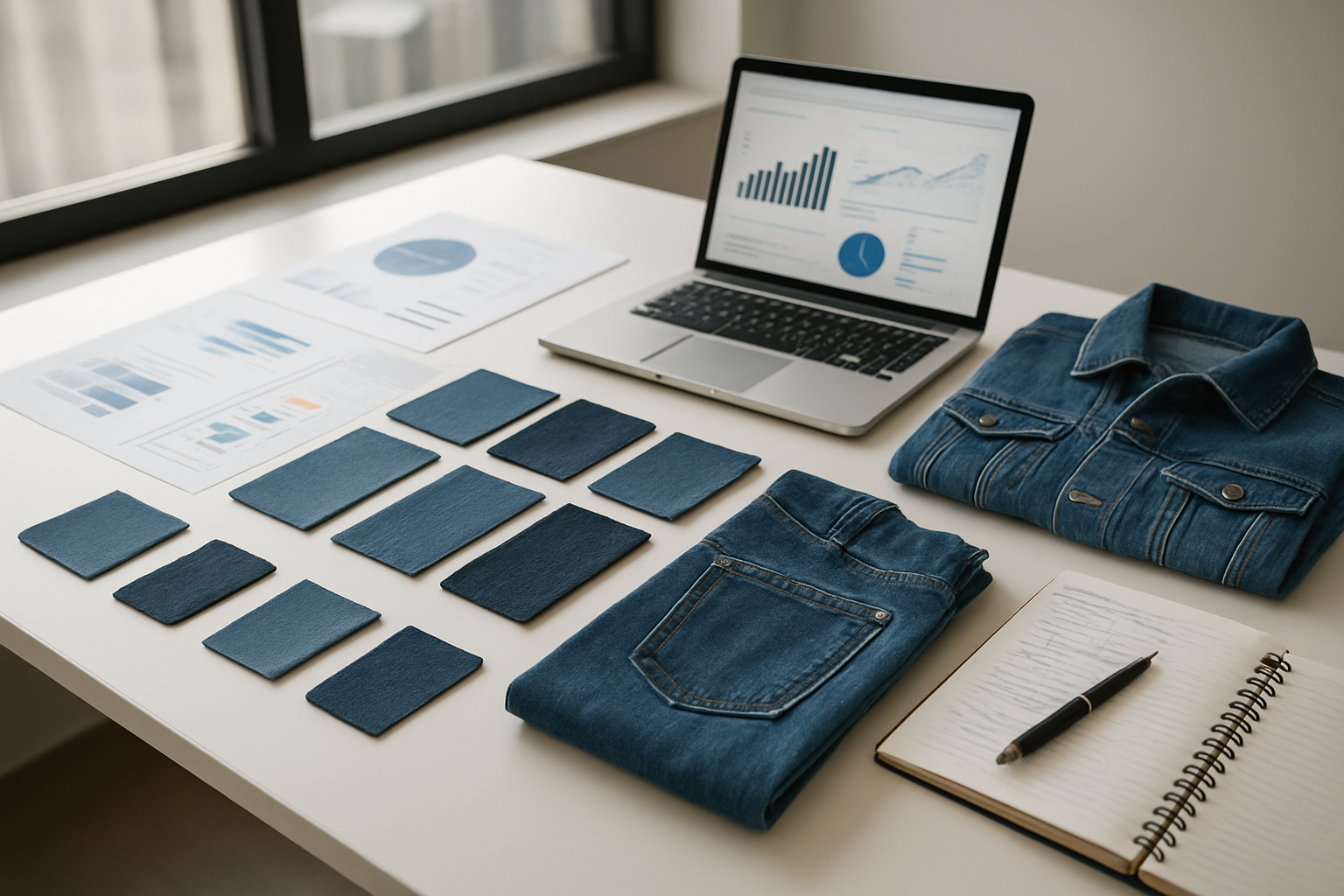
Before diving into private label denim production with Indian denim manufacturers, you need to understand who will actually wear your jeans. Start by analyzing existing denim brands in your target market. Look at what’s selling well and what gaps exist. Are customers craving sustainable options? Do they want affordable basics or premium designer looks?
Define your ideal customer by age, lifestyle, and spending habits. A 25-year-old urban professional has different denim needs than a 45-year-old suburban parent. Study their shopping patterns, preferred price points, and style preferences. Social media listening tools can reveal what potential customers complain about with current brands – maybe fit issues, durability problems, or lack of size inclusivity.
Research your competition thoroughly. Check their pricing strategies, marketing messages, and customer reviews. This intel helps position your private label clothing brand effectively. Don’t forget to analyze seasonal trends and regional preferences, especially if you’re targeting multiple markets.
Survey potential customers directly through online polls or focus groups. Ask about their denim purchasing frequency, preferred fits, and what would make them switch brands. This firsthand feedback becomes invaluable when briefing Indian textile manufacturers on your specifications.
Design development and trend analysis
Creating compelling designs starts with understanding current and emerging trends in the denim world. Follow fashion weeks, street style blogs, and influencer content to spot what’s gaining momentum. However, don’t chase every trend – focus on those that align with your brand vision and target market.
Collaborate with experienced designers who understand denim manufacturing India capabilities. They’ll know which design elements translate well into production and which might create challenges with Indian denim manufacturers. Consider factors like fabric weight, wash effects, and hardware options that work within your budget constraints.
Develop your signature design elements that differentiate your brand. This might be unique stitching patterns, innovative pocket designs, or distinctive wash treatments. Create a cohesive collection that tells a story while offering variety in fits and styles.
Build relationships with trend forecasting services or attend textile trade shows to stay ahead of upcoming seasons. Custom denim production works best when you’re planning 6-12 months ahead, giving manufacturers time to source materials and perfect techniques.
Test your designs with sample groups before committing to large production runs. Digital design tools can help visualize concepts, but nothing beats seeing actual prototypes made by your chosen manufacturing partner.
Creating your unique brand identity and positioning
Your brand identity goes beyond just a logo – it’s the entire personality of your private label denim business. Start by defining your brand values. Are you focused on sustainability, affordability, luxury, or inclusivity? This foundation guides every decision from design choices to marketing messages.
Develop a compelling brand story that resonates with your target audience. Maybe you’re celebrating craftsmanship by partnering with skilled Indian denim manufacturers, or you’re solving a specific fit problem in the market. Your story should feel authentic and connect emotionally with customers.
Create visual elements that work across all touchpoints. Your logo, color palette, and typography should translate well from hang tags to social media to packaging. Consider how these elements will appear on the actual garments and work with the aesthetic of denim.
Position your brand clearly in the market landscape. Are you the affordable alternative to premium brands? The sustainable choice for conscious consumers? The inclusive option for underserved body types? Clear positioning helps customers understand why they should choose you over competitors.
Legal considerations for trademark and brand protection
Protecting your private label apparel manufacturing investment starts with proper legal groundwork. File trademark applications for your brand name and logo in all markets where you plan to sell. This process can take months, so start early in your planning phase.
Research existing trademarks thoroughly to avoid conflicts. A similar brand name in the same category could derail your launch plans and create expensive legal battles. Consider variations of your preferred name as backup options.
Establish clear contracts with your Indian textile manufacturers that protect your designs and intellectual property. Include clauses about exclusivity, quality standards, and confidentiality. Make sure you retain ownership of any custom designs, patterns, or specifications you develop together.
Consider international trademark registration if you plan to expand globally. The Madrid Protocol simplifies filing in multiple countries, but each market has specific requirements and timelines.
Document everything throughout your development process. Keep records of design iterations, communications with manufacturers, and quality specifications. This documentation proves ownership and development timeline if disputes arise later.
Setting realistic budgets and timeline expectations
Denim brand development requires substantial upfront investment before you see any revenue. Create detailed budgets that include sample development, minimum order quantities, shipping costs, and marketing expenses. Most wholesale denim manufacturing partners require payment terms that tie up cash flow for months.
Plan for minimum orders typically ranging from 500-1000 pieces per style and color. Factor in the cost of multiple size runs and style variations when calculating initial inventory investment. Remember that private label jeans production often requires fabric commitments beyond just your immediate needs.
Build realistic timelines that account for sample approval rounds, production delays, and shipping complications. Initial sample development can take 4-6 weeks, with production adding another 6-8 weeks after approval. International shipping and customs clearance add several more weeks to the timeline.
Set aside contingency funds for unexpected costs like additional sampling rounds, shipping delays, or quality issues. A good rule is to budget 20-30% more than your initial estimates for the first production run.
Consider seasonal timing when planning launches. Denim has peak selling seasons, and missing key retail windows can significantly impact your success. Work backwards from desired launch dates to establish development milestones with your manufacturing partners.
Selecting the Right Indian Denim Manufacturing Partner

Evaluating Manufacturer Credentials and Certifications
Finding the right Indian denim manufacturers starts with a thorough credentials check. Look for manufacturers with established track records spanning multiple years in private label denim production. Companies that have survived market fluctuations typically possess better operational stability and expertise.
Key certifications tell you volumes about a manufacturer’s capabilities. GOTS (Global Organic Textile Standard) certification indicates organic cotton processing capabilities, while OEKO-TEX Standard 100 ensures harmful chemical testing. WRAP (Worldwide Responsible Accredited Production) certification demonstrates ethical labor practices and social compliance.
Check for ISO 9001:2015 quality management certification and ISO 14001 environmental management standards. These international standards show the manufacturer follows systematic quality processes and environmental responsibilities. Many private label clothing brand owners also prioritize manufacturers with SEDEX membership for ethical trading compliance.
Verify business licenses, export credentials, and financial stability through references. Request client testimonials and case studies from similar private label apparel manufacturing projects. A credible manufacturer should readily provide these documents and references.
Assessing Production Capabilities and Minimum Order Quantities
Production capacity directly impacts your denim brand development timeline and scalability. Evaluate whether manufacturers can handle your current volumes while accommodating future growth. Ask about monthly production capacity, lead times, and peak season limitations.
Minimum Order Quantities (MOQs) vary significantly among Indian textile manufacturers. Smaller facilities might require 500-1,000 pieces per style, while larger operations often demand 2,000-5,000 pieces minimum. Match these requirements with your inventory planning and cash flow capabilities.
Review the manufacturer’s equipment and technology. Modern facilities should have computerized cutting systems, automated sewing lines, and advanced washing equipment for custom denim production. Outdated machinery often leads to quality inconsistencies and longer production times.
Consider fabric sourcing capabilities. Strong manufacturers maintain relationships with premium denim mills or operate their own weaving facilities. This vertical integration can reduce costs and improve quality control in wholesale denim manufacturing operations.
| Production Factor | Small Manufacturer | Large Manufacturer |
|---|---|---|
| MOQ Range | 500-1,500 pieces | 2,000-10,000 pieces |
| Lead Time | 45-60 days | 30-45 days |
| Style Flexibility | High | Moderate |
| Cost Efficiency | Lower volumes | Higher volumes |
Quality Control Processes and Compliance Standards
Strong quality control separates exceptional private label jeans production from mediocre results. Manufacturers should implement multi-stage inspection processes, starting from fabric receipt through final packaging. Look for facilities with dedicated quality assurance teams and testing laboratories.
Fabric testing protocols should include shrinkage, colorfastness, tensile strength, and wash durability tests. Finished garment inspections must cover construction quality, fit consistency, and finishing details. Request detailed quality manuals and defect classification systems.
Compliance standards vary by target market. For US and European markets, manufacturers need AQL (Acceptable Quality Level) systems, typically AQL 2.5 for major defects and AQL 4.0 for minor defects. Chemical testing requirements include formaldehyde, heavy metals, and pH levels.
Documentation processes matter significantly. Quality manufacturers maintain detailed records of each production batch, including fabric lot numbers, wash formulas, and inspection reports. This traceability becomes crucial for managing product recalls or quality disputes.
Communication Protocols and Language Considerations
Clear communication forms the backbone of successful denim manufacturing India partnerships. While English proficiency has improved dramatically among Indian manufacturers, communication styles and business practices differ from Western approaches.
Establish regular communication schedules with designated project managers. Weekly status calls and detailed email updates prevent misunderstandings during production. Time zone differences require planning – India operates 9.5-13.5 hours ahead of US time zones.
Technical specifications demand precision in private label denim projects. Use detailed tech packs with measurements, construction details, and reference images. Avoid ambiguous terms and confirm understanding through samples and prototypes.
Cultural communication patterns lean toward politeness and hierarchy respect. Direct criticism might be received poorly, while constructive feedback framed positively yields better results. Building personal relationships through video calls and factory visits strengthens long-term partnerships.
Consider appointing local representatives or third-party quality inspection services for complex projects. These intermediaries bridge cultural gaps and provide on-ground oversight during critical production phases.
Navigating the Production Process with Indian Manufacturers
Sample Development and Approval Workflows
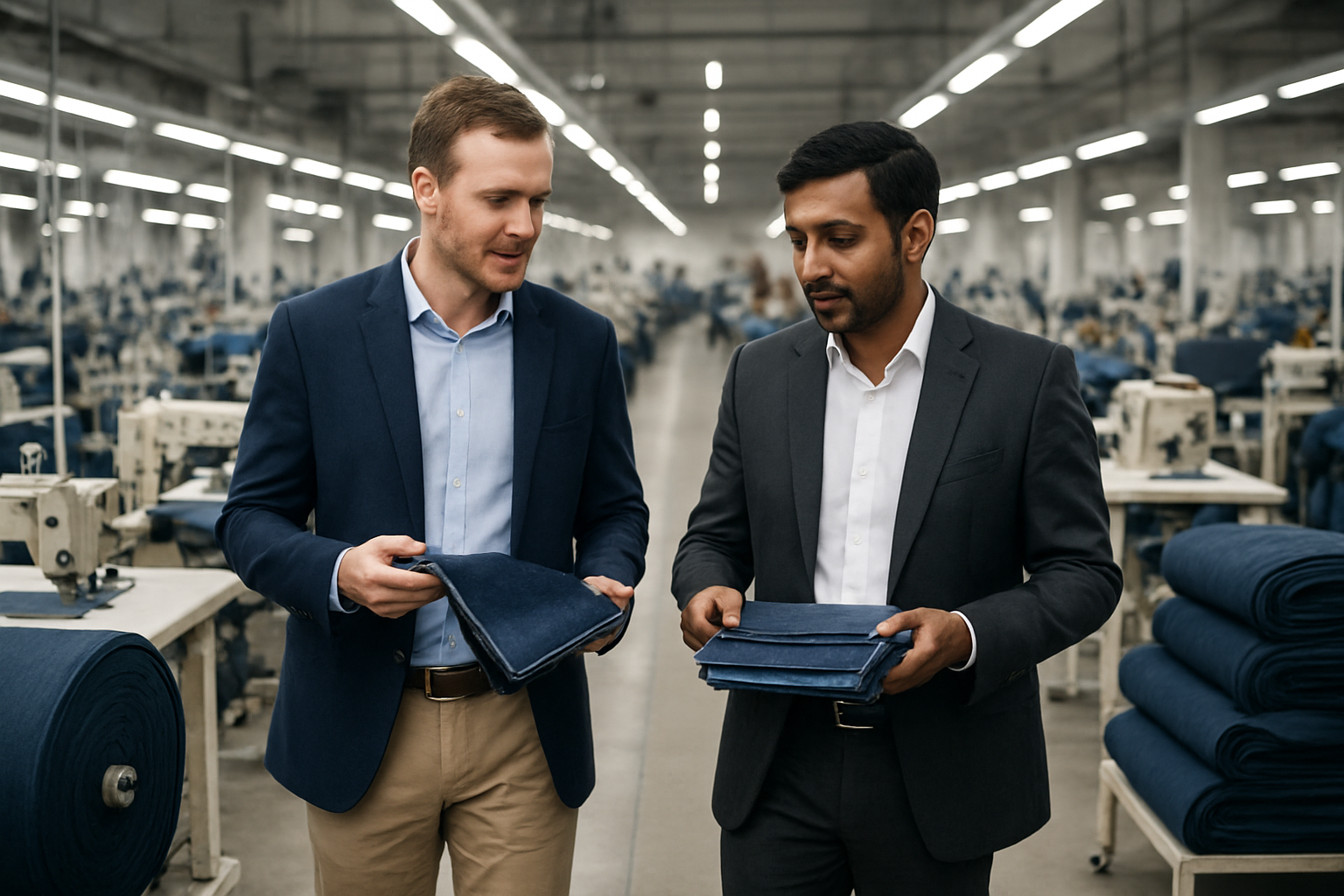
Working with Indian denim manufacturers means establishing clear sample development processes from day one. Most reputable manufacturers follow a structured approach that begins with your initial design brief and tech pack submission. You’ll typically receive your first prototype within 2-3 weeks, depending on complexity and current production loads.
The approval workflow usually involves three to five sample rounds. Your first sample helps identify major fit and construction issues, while subsequent samples fine-tune details like washes, distressing, and hardware placement. Indian manufacturers excel at incorporating feedback quickly, often turning around revised samples within 5-7 business days.
Communication becomes crucial during this phase. Many Indian denim manufacturers now use digital platforms where you can upload feedback with annotated photos, making the revision process more efficient. Keep detailed records of each sample iteration, including wash codes, fabric weights, and construction specifications to avoid confusion later.
Material Sourcing and Fabric Selection Guidance
Indian textile manufacturers offer extensive fabric libraries, giving private label clothing brands access to premium denim options at competitive prices. Most established facilities stock 100+ fabric varieties, from basic cotton twills to advanced stretch blends and eco-friendly options.
Your manufacturing partner should provide fabric swatches with detailed specifications including:
-
Cotton content and blend ratios
-
Weight measurements (typically 10-16 oz for denim)
-
Stretch percentages for elastane blends
-
Shrinkage rates and care instructions
-
Available colorways and wash compatibility
Many Indian denim manufacturers maintain relationships with leading fabric mills like Arvind Mills and Raymond, ensuring consistent quality and competitive pricing. They can also source specialized fabrics like organic cotton, recycled polyester blends, or innovative fibers based on your brand positioning.
Don’t overlook trim and hardware selection. Indian manufacturers typically offer extensive catalogs of buttons, rivets, zippers, and labels. Many can source custom hardware with your brand logos, though this may require minimum order quantities of 5,000-10,000 pieces per style.
Production Scheduling and Delivery Timelines
Custom denim production with Indian manufacturers typically follows predictable timelines once samples are approved. Standard production runs range from 45-75 days, depending on order complexity and factory capacity. Peak seasons (August-December for spring deliveries) may extend these timelines by 2-3 weeks.
Smart scheduling starts with understanding your manufacturer’s capacity and current order book. Most facilities work 2-3 months ahead, so place orders accordingly. Here’s a typical production timeline breakdown:
| Phase | Duration | Activities |
|---|---|---|
| Pre-production | 7-10 days | Fabric ordering, cutting room prep |
| Cutting & Prep | 5-7 days | Pattern making, fabric cutting |
| Sewing & Assembly | 20-30 days | Main production phase |
| Washing & Finishing | 7-14 days | Garment washing, pressing, inspection |
| Packing & Documentation | 3-5 days | Final QC, packing, export paperwork |
Build buffer time into your planning. Unexpected delays can occur due to fabric availability, machinery maintenance, or seasonal factors like monsoons affecting logistics. Successful private label denim brands typically plan 90-120 days from order placement to receiving goods.
Quality Assurance Checkpoints Throughout Manufacturing
Quality control with Indian denim manufacturers requires establishing checkpoints at every production stage. Start by defining your quality standards clearly in your initial agreements, including acceptable defect rates (typically 2-4% for standard production) and specific requirements for construction, finishing, and packaging.
Pre-production inspections happen before cutting begins. Your manufacturer should verify fabric quality, colorways, and measurements against approved samples. This catches issues early when corrections are still cost-effective.
In-line inspections occur during active production. Quality teams check construction details like seam strength, stitch consistency, and hardware attachment. Most manufacturers conduct these checks on every 20th garment, documenting results for your review.
Final inspections happen before packing, covering overall appearance, measurements, wash quality, and packaging requirements. Many private label apparel manufacturing facilities offer third-party inspection services through companies like SGS or Intertek, providing additional quality assurance.
Consider implementing random inspections at your receiving warehouse too. This helps identify any issues that might have developed during shipping and provides valuable feedback to improve future production runs. Document everything – photos, measurements, and defect descriptions help manufacturers understand and address quality concerns more effectively.
Managing Logistics and Import Procedures

Shipping Methods and Cost Optimization Strategies
When working with Indian denim manufacturers for your private label clothing brand, choosing the right shipping method can make or break your profit margins. Sea freight remains the most cost-effective option for bulk denim shipments, typically taking 20-35 days from major Indian ports like Mumbai or Chennai to destinations worldwide. Air freight costs 5-8 times more but reduces transit time to 3-7 days – perfect for urgent orders or sample shipments.
Smart importers negotiate consolidated shipping rates by grouping orders with other buyers or working with freight forwarders who specialize in textile shipments from India. Many Indian textile manufacturers offer FOB (Free on Board) terms, giving you control over shipping costs and carrier selection.
Consider these cost optimization tactics:
-
Volume discounts: Negotiate better rates for minimum/Less container loads (MCL/LCL) or full container loads (FCL)
-
Seasonal planning: Ship during off-peak seasons when freight rates drop significantly
-
Multi-port strategies: Compare rates between different Indian ports – sometimes routing through Chennai instead of Mumbai saves 15-20%
-
Freight consolidation: Partner with other importers to share container space for smaller orders
Customs Clearance and Documentation Requirements
Getting your private label denim through customs smoothly requires meticulous documentation. Indian denim manufacturers typically provide commercial invoices, packing lists, and certificates of origin, but the responsibility for accurate customs declarations falls on you as the importer.
Essential documents include:
-
Commercial invoice with detailed product descriptions, quantities, and values
-
Bill of lading or airway bill as proof of shipment
-
Certificate of origin to qualify for preferential duty rates under trade agreements
-
Textile declaration forms specifying fiber content and country of manufacture
-
Import licenses if required in your destination country
Work closely with your customs broker to classify denim products under the correct Harmonized System (HS) codes. Misclassification can trigger delays, penalties, or additional duties. Many private label apparel manufacturing importers maintain relationships with brokers who specialize in textile imports and understand the specific requirements for denim products.
Pre-clearance programs like C-TPAT (US) or AEO (EU) can expedite the customs process and reduce inspection rates. Your Indian manufacturing partner’s compliance certifications also play a role in smoother clearance.
Managing Lead Times and Inventory Planning
Successful private label denim brands master the art of timing. Production lead times with Indian denim manufacturers typically range from 45-90 days, depending on order complexity, fabric availability, and factory capacity. Add shipping time, and you’re looking at 65-125 days from order placement to inventory receipt.
Create a rolling forecast that accounts for:
-
Seasonal demand patterns for different denim styles
-
Production cycles at your chosen Indian manufacturer
-
Buffer stock for unexpected demand spikes or shipping delays
-
Cash flow requirements for advance payments and letters of credit
Many wholesale denim manufacturing partnerships benefit from staggered production schedules. Instead of placing one large annual order, split it into quarterly shipments. This approach reduces inventory carrying costs while maintaining steady supply.
Build strong communication channels with your Indian textile manufacturers to get real-time updates on production status. Weekly progress reports help identify potential delays early, giving you time to adjust marketing campaigns or find alternative suppliers if needed. Some experienced importers maintain relationships with 2-3 Indian denim manufacturers to ensure production continuity and negotiate better terms through healthy competition.
Smart inventory planning also involves understanding your destination market’s import patterns. Avoid peak shipping seasons when possible, as ports become congested and clearance times extend significantly.
Building Long-term Success with Your Private Label Brand

Establishing Quality Consistency Across Production Runs
Quality consistency represents the backbone of successful private label denim brands working with Indian denim manufacturers. Your brand reputation depends on customers receiving the same fit, feel, and finish every time they purchase your jeans. Start by developing detailed technical specifications that cover everything from fabric weight and stretch percentages to stitching requirements and wash formulations.
Create a comprehensive quality control checklist that your Indian manufacturing partner can follow religiously. This should include pre-production samples, in-line inspections during manufacturing, and final quality audits before shipment. Many successful private label clothing brands establish a dedicated quality assurance team that works directly with their Indian textile manufacturers to maintain standards.
Document every aspect of your production process, including specific dye lots, hardware suppliers, and washing techniques. When your manufacturer knows exactly which rivets, threads, and labels to use for each style, you eliminate the guesswork that leads to inconsistencies. Regular factory visits, even if virtual, help you stay connected with your production team and catch potential issues before they affect large quantities.
Scaling Production Volumes as Demand Grows
Growing your private label denim business requires careful planning around production capacity and lead times. Indian denim manufacturers typically offer flexible minimum order quantities, but scaling successfully means understanding their production capabilities and seasonal schedules.
Start small with initial orders to test market demand, then gradually increase volumes as your brand gains traction. Most experienced manufacturers can handle volume increases of 20-30% per season without major adjustments to their production lines. However, doubling or tripling your order size may require additional planning time and equipment allocation.
Communicate your growth projections early with your manufacturing partner. Share your sales forecasts and seasonal trends so they can allocate sufficient production slots for your orders. Many successful brands establish framework agreements that guarantee production capacity during peak seasons in exchange for committed volume targets.
Consider diversifying across multiple production lines within the same facility or working with secondary suppliers for overflow orders. This approach reduces risk while maintaining your primary relationship with your preferred Indian denim manufacturer.
Developing Exclusive Designs and Seasonal Collections
Standing out in the competitive denim market requires unique designs that reflect your brand’s personality. Work closely with your Indian manufacturing partner’s design team to develop exclusive washes, fits, and details that competitors can’t easily replicate.
Seasonal collection development should begin 6-8 months before your target delivery date. This timeline allows for multiple rounds of sample development, fit adjustments, and production planning. Many Indian manufacturers offer in-house design services, including trend research, technical design, and pattern development.
Focus on creating signature elements that become associated with your brand – whether that’s a specific pocket design, unique hardware, or proprietary wash technique. Document these exclusive processes carefully and consider having your manufacturer sign confidentiality agreements to protect your designs.
Test new styles with smaller quantities before committing to full production runs. Customer feedback on fit, comfort, and style preferences should guide your design decisions for future collections.
Maintaining Competitive Pricing While Ensuring Profitability
Balancing cost control with quality and profitability requires ongoing attention to multiple factors in your supply chain. Raw material costs, labor rates, and shipping expenses all impact your final landed cost when working with denim manufacturing India partners.
Monitor cotton prices and other raw material fluctuations that affect your base costs. Many manufacturers offer price protection for confirmed orders, but understanding market trends helps you time your purchases strategically. Consider negotiating annual pricing agreements that provide predictability for both parties.
Optimize your product mix by analyzing the profitability of different styles and fits. Some designs may require more labor-intensive processes that eat into margins, while others offer better profit potential. Work with your manufacturer to identify cost-saving opportunities without compromising quality.
Transportation and import costs represent significant portions of your total expenses. Consolidate shipments when possible and explore different shipping methods to find the best balance between cost and delivery time. Many successful private label jeans production brands use a mix of air and sea freight depending on urgency and inventory levels.
Regular cost reviews with your manufacturing partner help identify opportunities for efficiency improvements that benefit both parties. Whether through process optimization, bulk purchasing of materials, or improved packaging methods, collaborative cost management strengthens your partnership while protecting your margins.

Working with Indian manufacturers to create your private label denim brand opens up incredible opportunities for importers ready to take control of their fashion destiny. You’ll get access to world-class production capabilities, competitive pricing, and the flexibility to bring your unique vision to life. The key is finding the right manufacturing partner who understands your quality standards and can grow alongside your brand.
Success in private label denim comes down to building strong relationships, staying involved in every step of the process, and thinking long-term. Start small, test your market, and scale up as you gain confidence in your supply chain and customer base. With the right Indian partner by your side and a clear strategy for your brand, you’re not just importing denim – you’re creating a business that can compete with the biggest names in fashion.