

Denim Washes for 2026 Collections
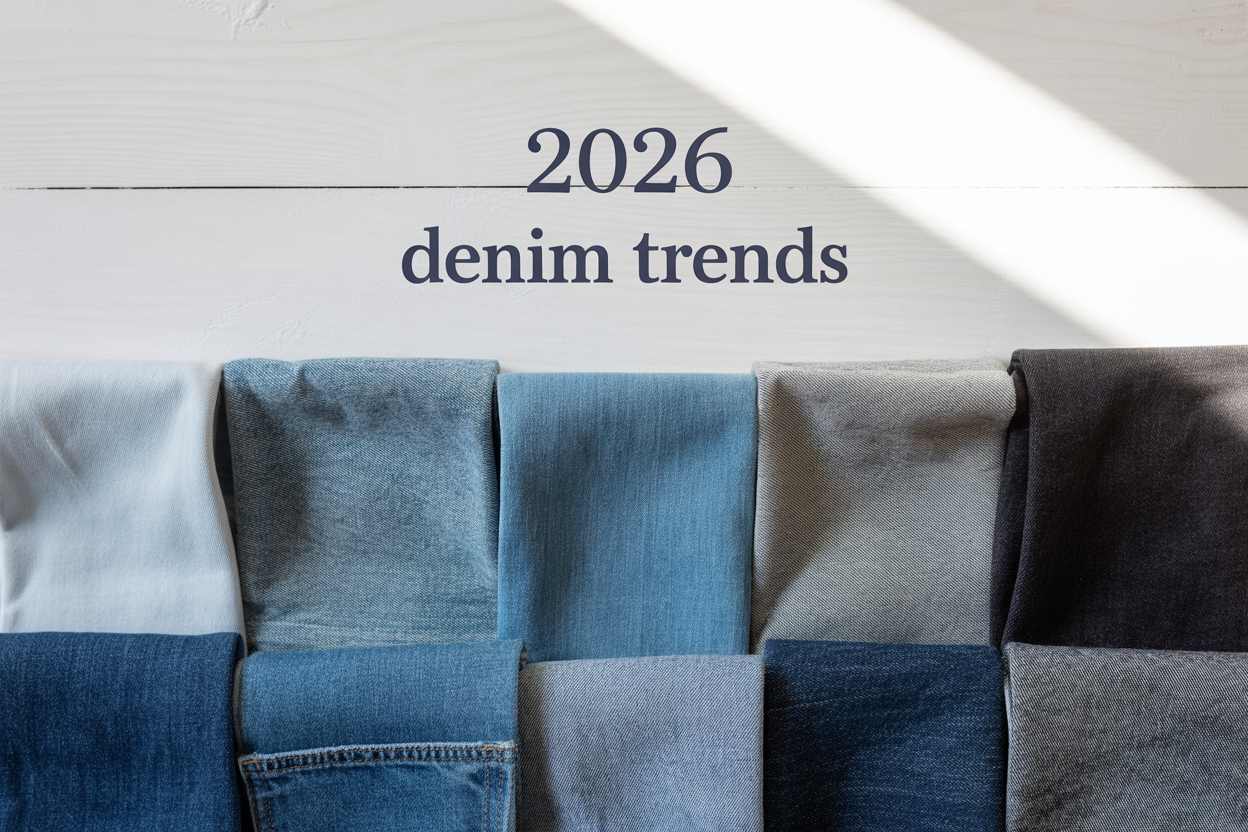
Denim brands and manufacturers are racing to identify the most in-demand denim washes for 2026 collections as consumer preferences shift toward innovative color stories and eco-conscious production methods. This comprehensive guide targets fashion buyers, denim designers, and manufacturing decision-makers who need actionable insights to stay competitive in the evolving denim market.
We’ll explore the trending color stories driving 2026 denim collections, from unexpected hues to reimagined classics that are reshaping retail forecasts. You’ll discover revolutionary wash techniques transforming denim manufacturing, including cutting-edge methods that deliver striking visual effects while streamlining production processes. We’ll also examine sustainable wash solutions meeting consumer demands, highlighting eco-friendly denim washes that reduce environmental impact without compromising on style or quality.
Trending Color Stories Driving 2026 Denim Collections

Earth-Toned Washes for Sustainable Fashion Appeal
Earth-toned denim washes are becoming the cornerstone of 2026 denim trends as brands respond to growing consumer demand for environmentally conscious fashion. These warm, natural hues including terracotta, sage green, and dusty brown create an instant connection to nature while offering versatility across different styling approaches.
Manufacturers are achieving these eco-friendly denim washes through innovative techniques that reduce water consumption by up to 70% compared to traditional methods. Laser technology combined with ozone treatments creates authentic-looking earth tones without harsh chemicals, making these sustainable denim washing processes increasingly attractive to both brands and environmentally conscious consumers.
The appeal extends beyond environmental benefits. Earth-toned denim serves as a perfect neutral base that pairs effortlessly with both minimalist and maximalist aesthetics. Retail buyers report strong pre-orders for these washes, particularly in premium price points where consumers are willing to invest in pieces that align with their values.
Bold Saturated Blues Making a Statement Return
After years of muted tones dominating the market, vibrant blue washes are experiencing a dramatic comeback in trending denim collections. These aren’t your typical indigo shades – we’re talking about electric cobalt, deep sapphire, and rich royal blue treatments that command attention.
This shift reflects a broader cultural movement toward self-expression and optimism in fashion. Denim wash techniques 2026 are incorporating advanced sulfur dyeing processes that create these intense blue saturations while maintaining excellent colorfastness. The result is denim that stays vibrant wash after wash, addressing previous concerns about color bleeding and fading.
Younger demographics are driving demand for these statement pieces, viewing bold blue denim as a way to stand out in social media content and everyday styling. Brands are responding by creating entire capsule collections around these eye-catching washes, often pairing them with complementary accessories and footwear.
Muted Pastels Creating Versatile Wardrobe Staples
Soft pastel washes represent the perfect middle ground between bold statements and neutral basics in 2026 denim color trends. Gentle lavender, pale mint, and dusty rose treatments offer sophistication without overwhelming existing wardrobes. These colors work exceptionally well for spring and summer collections, providing lighter alternatives to traditional dark denim.
The production process for pastel denim requires precise control over dyeing temperatures and timing. Revolutionary wash methods now enable manufacturers to achieve consistent pastel results across large production runs, something that was challenging with earlier techniques. Quality control measures include spectrophotometer testing to ensure color accuracy across different fabric weights and constructions.
Retail denim forecasts 2026 show particular strength for pastel washes in women’s collections, though men’s brands are beginning to experiment with more subtle pastel treatments in limited edition releases. The key to success lies in balancing the feminine associations of pastels with contemporary, unisex styling approaches.
Deep Indigo Revival for Premium Market Positioning
Traditional deep indigo washes are experiencing renewed appreciation as luxury denim brands seek to differentiate themselves through authentic craftsmanship. This revival goes beyond surface-level trends – it represents a return to denim’s roots and the timeless appeal of expertly crafted indigo treatments.
Modern deep indigo processes combine traditional rope dyeing with contemporary finishing techniques. Multiple dip cycles create rich depth and complexity that develops beautiful fading patterns over time. Premium brands are marketing these pieces as investment items that improve with age, appealing to consumers who value longevity over fast fashion.
The positioning strategy around deep indigo focuses on heritage storytelling and artisanal craftsmanship. Brands showcase their dyeing facilities and highlight the skill required to achieve perfect indigo saturation. This transparency resonates with consumers who want to understand the value behind higher price points in today’s competitive denim market.
Revolutionary Wash Techniques Transforming Denim Manufacturing

Laser Technology Creating Precise Fade Patterns
Denim manufacturers are embracing laser technology as a game-changer for creating intricate fade patterns with surgical precision. This advanced technique uses concentrated light beams to selectively lighten denim fibers, producing whiskers, honeycombs, and distressed effects that previously required hours of manual labor or harsh chemical treatments.
The technology offers unprecedented control over wash intensity and placement. Designers can now program specific fade patterns digitally, ensuring consistency across thousands of garments while maintaining the authentic look of naturally worn denim. Popular patterns include strategically placed knee fades, subtle back pocket wear, and gradient effects that flow seamlessly from dark to light tones.
Major brands are investing heavily in laser systems because they deliver both quality and sustainability benefits. The process eliminates the need for pumice stones, reducing water consumption by up to 90% compared to traditional stonewashing methods. Production time drops dramatically, with complex fade patterns completed in minutes rather than hours.
The most sought-after laser effects for 2026 include micro-distressing that creates subtle texture variations, geometric fade patterns inspired by urban architecture, and gradient washes that transition smoothly across the entire garment. These revolutionary wash methods are reshaping how manufacturers approach denim finishing.
Ozone Processing for Chemical-Free Distressing
Ozone technology represents a major shift toward eco-friendly denim processing, delivering dramatic bleaching effects without traditional chemicals. This method injects ozone gas into specially designed chambers, where it breaks down indigo dye molecules to create authentic vintage appearances and bright bleached effects.
The process works by oxidizing the dye structure, producing results that closely mimic years of natural wear and washing. Manufacturers can achieve everything from subtle color lifting to dramatic white bleaching effects, all while maintaining fabric integrity. The technique proves especially effective for creating the lived-in looks that define sustainable denim washing trends.
Production benefits extend beyond environmental considerations. Ozone processing reduces cycle times significantly, completing wash effects that traditionally required multiple chemical baths in a single treatment. Water usage drops by approximately 40%, while energy consumption decreases due to shorter processing cycles.
Current market favorites include ozone-treated vintage blues that showcase natural fading patterns, high-contrast bleached designs popular in streetwear collections, and subtle color variations that add depth to classic indigo washes. The technology enables precise control over bleaching intensity, allowing manufacturers to replicate specific vintage references or create entirely new aesthetic directions for their 2026 denim trends.
Digital Printing Integration for Complex Designs
Digital printing technology is revolutionizing denim aesthetics by enabling complex graphic elements and color combinations previously impossible with traditional wash techniques. Advanced inkjet systems now print directly onto denim surfaces, creating everything from subtle tonal variations to bold graphic patterns that integrate seamlessly with wash treatments.
The technology excels at producing multicolor effects, photorealistic images, and intricate patterns that complement rather than compete with traditional denim character. Manufacturers combine digital printing with conventional washing to create layered effects where printed elements appear to naturally fade and wear like authentic vintage pieces.
Quality advantages include exceptional color accuracy, unlimited design possibilities, and the ability to create small batch custom collections without significant setup costs. The process works particularly well for creating branded elements, artistic collaborations, and limited edition pieces that command premium pricing in the market.
Leading applications for 2026 collections feature tonal gradient printing that enhances natural fade patterns, subtle logo integration that appears organically weathered, and artistic collaborations that transform denim into wearable art. This denim wash techniques 2026 approach allows brands to differentiate their collections while maintaining the authentic character that consumers expect from quality denim products.
Sustainable Wash Solutions Meeting Consumer Demands
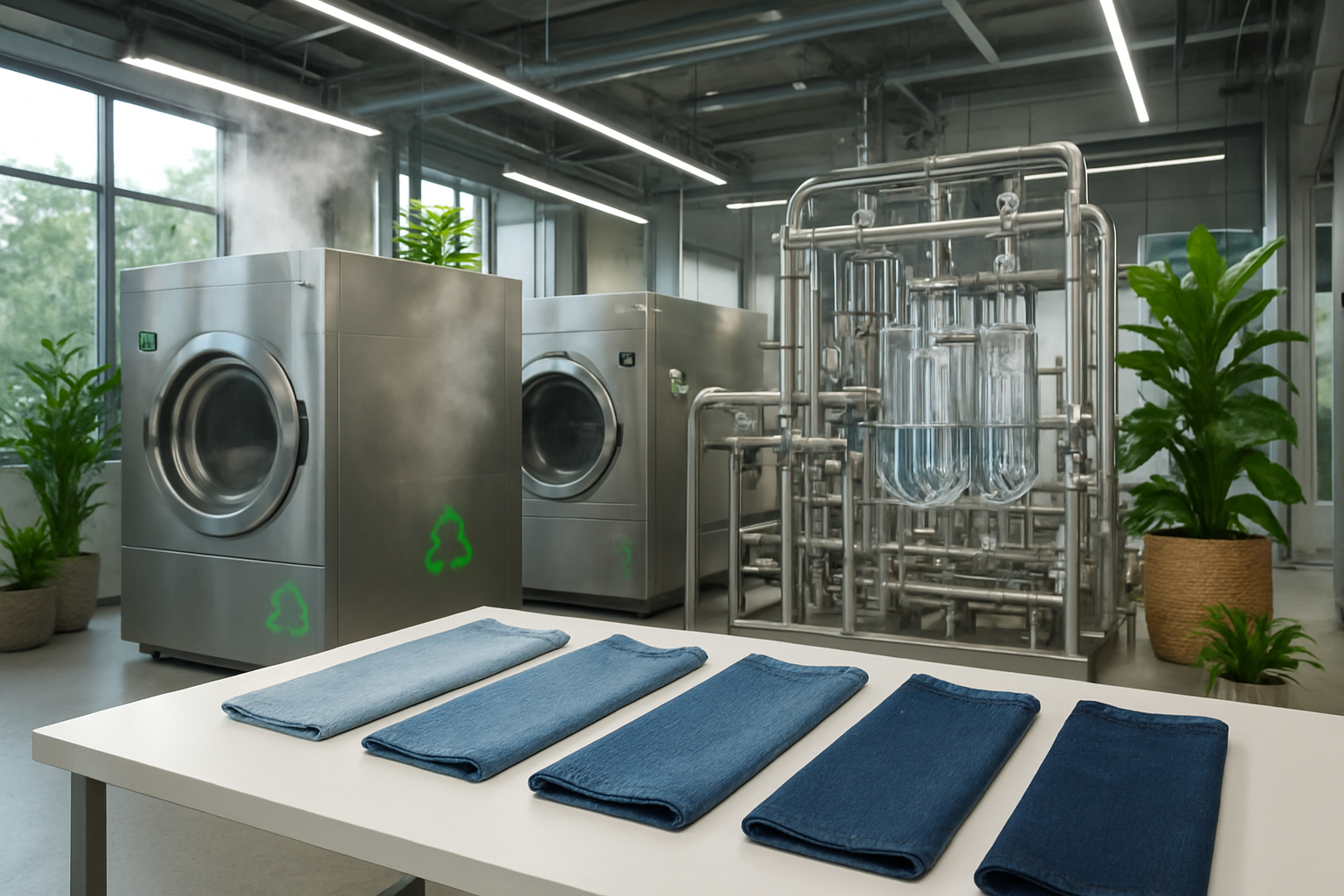
Water-Saving Processes Reducing Environmental Impact
Traditional denim washing consumes massive amounts of water, but 2026 denim trends are driving brands toward revolutionary conservation methods. Laser finishing technology has emerged as a game-changer, replacing chemical treatments with precise laser patterns that create authentic vintage effects without using a single drop of water. Brands like Levi’s and G-Star RAW are already scaling these sustainable denim washing processes to meet growing consumer demand for environmentally responsible fashion.
Ozone washing represents another breakthrough in water reduction. This technique uses ozonated water to achieve bleaching effects with 60% less water than conventional methods. The process creates striking color variations and distressing patterns while dramatically reducing the environmental footprint of denim manufacturing trends.
Dry processing technologies are gaining traction among manufacturers targeting eco-friendly denim washes. These methods use potassium permanganate spraying and dry abrasion techniques to create popular stonewashed and vintage effects without traditional water-intensive washing cycles.
Recycled Materials Integration in Wash Formulations
Circular economy principles are reshaping wash formulations across trending denim collections. Manufacturers now incorporate recycled fibers from post-consumer denim waste directly into new washing processes, creating unique texture variations while reducing material waste.
Recycled pumice stones from previous washing cycles are being reprocessed and reintroduced into stonewashing operations. This closed-loop approach reduces mining requirements while maintaining the authentic worn-in appearance consumers expect from premium denim pieces.
Bio-based enzymes derived from agricultural waste streams offer another sustainable alternative. These naturally occurring proteins break down cotton fibers to create soft, lived-in textures without synthetic chemicals.
Energy-Efficient Technologies Lowering Production Costs
Heat recovery systems are transforming energy consumption in denim wash facilities. Advanced heat exchangers capture thermal energy from wastewater and redirect it to incoming water streams, reducing heating costs by up to 40% while maintaining optimal washing temperatures for revolutionary wash methods.
LED curing systems replace traditional gas-fired ovens in finishing processes. These energy-efficient units consume 75% less electricity while providing more precise temperature control for specialty treatments and color-setting operations.
Smart automation platforms optimize wash cycles based on fabric weight, desired finish, and energy availability. Machine learning algorithms continuously refine processing parameters to minimize energy consumption while achieving consistent quality across production runs.
Biodegradable Finishing Agents for Eco-Conscious Brands
Plant-based softeners derived from coconut and palm oils are replacing petroleum-based alternatives in 2026 denim wash techniques. These biodegradable compounds break down naturally in wastewater treatment systems while delivering the premium hand-feel consumers demand.
Enzyme-based bleaching agents sourced from fungal cultures provide controlled color removal without harsh chlorine chemicals. These biological catalysts work at lower temperatures and completely biodegrade within 48 hours of discharge.
Water-soluble packaging for wash chemicals eliminates plastic waste streams. These innovative delivery systems dissolve completely during mixing, removing packaging disposal challenges while ensuring precise chemical dosing for consistent wash results across retail denim forecasts 2026.
Key Wash Categories Dominating Retail Forecasts

Vintage-Inspired Stone Washes for Nostalgic Appeal
Stone-washed denim is making a powerful comeback for 2026 collections, tapping into consumers’ desire for authentic, lived-in looks. These trending denim collections feature carefully crafted aging processes that mimic decades of natural wear without the environmental impact of traditional stone washing methods.
Modern stone wash techniques use enzyme treatments and specialized tumbling processes to achieve that coveted vintage texture. Brands are focusing on mid-tone blues with subtle fading patterns around high-wear areas like knees, pockets, and hems. The key difference from previous stone wash trends lies in the sophistication of the fade patterns – today’s techniques create more realistic wear marks that tell a story.
Retail denim forecasts 2026 show strong demand for these washes across multiple demographics, from Gen Z shoppers seeking affordable vintage aesthetics to millennials nostalgic for 90s fashion. The stone wash category performs particularly well in straight-leg and wide-leg silhouettes, where the relaxed fit complements the casual, broken-in appearance.
Production-wise, brands are investing in advanced laser technology and ozone treatments to replicate stone wash effects while reducing water consumption by up to 40%. This approach satisfies both the aesthetic demand and growing pressure for sustainable practices in denim manufacturing.
High-Contrast Bleached Effects for Statement Pieces
Bold bleached effects are defining statement denim pieces for 2026, with in-demand denim washes featuring dramatic light-to-dark transitions that create eye-catching visual impact. These washes range from tie-dye inspired cloud bleaching to geometric stripe patterns that transform basic denim into artistic expressions.
The most popular techniques include:
-
Cloud bleaching: Creates organic, sky-like patterns with soft edges
-
Stripe bleaching: Sharp horizontal or vertical lines for modern appeal
-
Splatter effects: Random bleach drops for an edgy, artistic look
-
Gradient bleaching: Smooth color transitions from dark to light
2026 denim trends show these high-contrast pieces work best as accent items rather than full outfits. Retailers report strong sales when positioned as limited-edition or capsule collection pieces. The dramatic nature of these washes appeals to fashion-forward consumers willing to invest in unique statement pieces.
Manufacturing these effects requires precise chemical control and timing. Brands use specialized bleaching agents and neutralizing treatments to ensure color fastness and prevent fabric degradation. The process demands skilled technicians who understand how different denim weights and cotton blends react to bleaching compounds.
Subtle Acid Washes Creating Modern Edge
Acid wash returns with a sophisticated twist for 2026, featuring subtle marbling effects that add texture without overwhelming the garment. Unlike the harsh acid washes of the 1980s, these denim wash techniques 2026 create gentle, cloud-like patterns that enhance rather than dominate the denim’s natural character.
Contemporary acid wash processes use controlled acidic solutions applied through specialized techniques like resist dyeing and localized treatments. The result is soft, organic patterns that vary from piece to piece, giving each garment unique characteristics while maintaining consistent quality standards.
| Acid Wash Type | Pattern Style | Best Applications |
|---|---|---|
| Light Marble | Subtle clouding | Premium skinny jeans |
| Medium Contrast | Defined veining | Relaxed fits |
| Micro Acid | Barely visible texture | Dark wash jeans |
These modern acid washes work exceptionally well on darker base colors, creating depth and dimension without sacrificing the sophisticated appearance that today’s consumers demand. The technique adds visual interest to solid-colored denim while maintaining versatility for both casual and elevated styling.
Production teams are developing eco-friendly denim washes using bio-based acids and closed-loop water systems to minimize environmental impact while achieving these desired effects.
Regional Market Preferences Shaping Global Collections

Asian Markets Favoring Clean Minimal Washes
Asian consumers are driving a significant shift toward refined, understated 2026 denim trends that emphasize sophistication over statement-making. Countries like Japan, South Korea, and Singapore show strong preference for clean indigo washes, light stone treatments, and virtually untreated raw denim that maintains its original character. These markets particularly value precision in wash application, where subtle variations create depth without appearing heavily processed.
The minimalist aesthetic aligns with Asian fashion sensibilities that prioritize quality craftsmanship and versatility. Brands targeting these regions focus on achieving perfect color consistency across production runs, with wash techniques that enhance rather than mask the denim’s natural properties. Enzyme washes and bio-polishing treatments gain popularity for their ability to create smooth, refined surfaces while maintaining fabric integrity.
Manufacturing facilities serving Asian markets invest heavily in controlled wash environments where temperature, timing, and chemical concentrations are monitored to achieve the precise color gradations these consumers expect. The clean wash category represents approximately 65% of Asian denim sales projections for 2026 collections.
European Demand for Artisanal Hand-Finished Effects
European consumers gravitate toward denim that tells a story through craftsmanship, driving demand for artisanal hand-finished effects that showcase traditional techniques. Italian, French, and German markets particularly appreciate washes that combine modern efficiency with time-honored methods like hand-sanding, whisker application, and selective bleaching.
Trending denim collections for European markets emphasize unique character marks that make each piece distinctive. Vintage-inspired treatments using pumice stones, potassium permanganate applications, and manual distressing techniques create the lived-in authenticity European buyers seek. These processes often require skilled artisans who understand how different denim constructions respond to various treatments.
European brands increasingly showcase their wash heritage, with some manufacturers maintaining traditional indigo vats alongside modern industrial equipment. The artisanal approach extends to environmental considerations, as European consumers demand transparency in production methods and prefer eco-friendly alternatives to harsh chemical treatments.
Regional preferences favor medium to heavy wash intensities that showcase technical expertise while maintaining wearability. The European market accounts for roughly 40% of global demand for premium hand-finished denim treatments.
North American Preference for Bold Distressed Treatments
North American consumers embrace dramatic wash treatments that make strong visual statements, positioning bold distressed treatments as dominant forces in regional market preferences. The United States and Canada show particular enthusiasm for heavy destruction, extreme bleaching, and multi-step processes that create complex color variations and texture contrasts.
American denim culture celebrates authenticity through artificial aging, with techniques like sandblasting alternatives, ozone treatments, and laser finishing gaining traction for achieving desired distress levels safely. Manufacturers serving this market develop proprietary wash formulations that create signature looks while meeting increasingly strict environmental regulations.
Denim wash techniques 2026 for North American markets include innovative approaches like foam washing, where concentrated chemicals create targeted effects without full immersion. These methods allow for precise control over distress patterns while reducing water consumption. Popular treatments include acid washes, bleach splatter effects, and strategic hole placement that appears naturally worn.
The bold aesthetic extends to color experimentation, with black-to-gray fades, colored overtones, and multi-tonal effects gaining momentum. North American consumers typically prefer more aggressive wash treatments compared to other global markets, driving innovation in sustainable alternatives to traditional destructive methods.
Emerging Markets Driving Raw Denim Popularity
Emerging economies across Southeast Asia, Latin America, and parts of Africa show growing appreciation for raw denim popularity, creating new opportunities for manufacturers focused on minimal processing approaches. These markets value durability, longevity, and the personal connection that develops between wearer and garment through natural aging processes.
Brazil, India, and Mexico lead emerging market trends toward untreated or lightly processed denim that allows individual wear patterns to develop organically. This preference stems from both economic considerations and cultural appreciation for authentic, long-lasting clothing that improves with age.
Raw denim’s appeal in emerging markets connects to sustainability values, as consumers increasingly recognize that minimal processing reduces environmental impact while delivering superior longevity. Manufacturers targeting these regions focus on high-quality fabric construction rather than complex wash treatments, investing in premium cotton sources and traditional weaving techniques.
Sustainable denim washing becomes particularly relevant in emerging markets where water scarcity concerns influence consumer choices. Brands successfully penetrating these markets often emphasize their commitment to responsible manufacturing while educating consumers about proper raw denim care and break-in processes.
The emerging market segment for raw and minimally processed denim is projected to grow by 35% annually through 2026, making it one of the fastest-expanding categories in global denim retail forecasts.
Production Strategies for Implementing Trending Washes

Supply Chain Optimization for New Wash Programs
Building an effective supply chain for trending denim washes requires strategic partnerships with specialized chemical suppliers and equipment manufacturers. Smart manufacturers are establishing direct relationships with eco-friendly chemical companies to ensure consistent access to sustainable washing agents that align with 2026 denim trends. This approach reduces dependency on third-party distributors and provides better control over raw material costs.
Inventory management becomes crucial when introducing revolutionary wash methods. Successful brands maintain buffer stocks of key washing chemicals while implementing just-in-time delivery systems for seasonal wash programs. Digital tracking systems now monitor chemical usage patterns, helping predict demand for specific wash formulations and preventing production delays.
Geographic diversification of supplier networks protects against regional disruptions. Leading manufacturers source washing equipment from multiple regions while maintaining backup suppliers for critical components. This redundancy ensures uninterrupted production of in-demand denim washes even during supply chain challenges.
Collaborative forecasting with retail partners helps optimize chemical procurement and equipment scheduling. Shared production calendars allow wash houses to align their capacity planning with brand release timelines, reducing rush orders and associated premium costs.
Quality Control Standards for Consistent Results
Standardized testing protocols ensure every garment meets specified wash characteristics across different production facilities. Modern quality control systems use colorimetric analysis to verify wash consistency, measuring precise color values and fade patterns against master standards. This technology eliminates human error in color matching and maintains brand integrity across global manufacturing locations.
Process documentation creates repeatable wash formulations that deliver identical results regardless of production facility or operator experience level. Detailed recipe cards specify water temperature, chemical concentrations, cycle times, and mechanical action parameters for each trending wash technique. These specifications enable seamless production scaling without compromising quality.
Real-time monitoring systems track key variables during wash cycles, automatically adjusting parameters when deviations occur. pH sensors, temperature controllers, and flow meters provide continuous feedback, preventing batch failures and reducing waste. Alert systems notify operators immediately when readings fall outside acceptable ranges.
Sample approval processes now include digital color libraries that store approved wash standards for future reference. These digital assets facilitate communication between design teams and production facilities, ensuring accurate reproduction of sustainable denim washing effects across multiple seasons and markets.
Cost Management Techniques for Competitive Pricing
Water recycling systems significantly reduce operational costs while supporting eco-friendly denim washes. Advanced filtration and treatment technologies allow manufacturers to reuse up to 90% of process water, dramatically cutting utility expenses and environmental impact. Initial capital investments typically pay back within 18 months through reduced water bills and waste disposal fees.
Chemical optimization programs minimize raw material consumption without compromising wash quality. Automated dosing systems prevent overuse of expensive enzymes and bleaching agents while ensuring consistent results. Regular analysis of chemical efficiency helps identify opportunities to reduce usage rates while maintaining desired aesthetic outcomes.
Energy-efficient washing equipment reduces operational costs and supports sustainability goals. Modern machines incorporate heat recovery systems and variable-frequency drives that cut energy consumption by 30-40% compared to traditional equipment. These savings become substantial when processing large volumes of trending denim collections.
Batch optimization strategies maximize equipment utilization and reduce per-unit processing costs. Smart scheduling software groups similar wash programs to minimize setup changes and chemical waste. This approach particularly benefits facilities producing multiple wash categories for retail denim forecasts 2026, allowing efficient transitions between different treatment types.
Labor productivity improvements through automation and training reduce processing costs while maintaining quality standards. Automated loading systems and programmable controls minimize manual handling, while comprehensive operator training ensures efficient equipment operation and reduces error rates that lead to costly reworks.
The denim landscape for 2026 is all about balancing innovation with responsibility. From the trending color stories that capture consumer imagination to the revolutionary wash techniques pushing manufacturing boundaries, brands have incredible opportunities to stand out. Sustainable wash solutions aren’t just a nice-to-have anymore – they’re essential for meeting the demands of eco-conscious shoppers who want style without compromise.
Success in next year’s market comes down to understanding your audience and choosing the right wash categories for your brand. Regional preferences will continue to shape global collections, so smart brands are already studying what works in different markets. If you’re planning your 2026 collections, now’s the time to invest in the production strategies that will help you nail these trending washes. The brands that get ahead of these trends while keeping sustainability at the center will be the ones setting the pace in tomorrow’s denim market.