
Private Label Denim

Private Label Denim: How Importers Build Their Own Brand with Indian Manufacturers
Building a successful denim brand doesn’t require owning massive factories or decades of textile experience. Many smart importers are partnering with Indian denim manufacturers to create their own private label clothing lines while keeping costs manageable and quality high.
This guide is for fashion entrepreneurs, established retailers, and importers who want to launch or expand their denim offerings without the massive upfront investment of traditional manufacturing. We’ll explore why Indian textile manufacturers have become the go-to choice for custom denim production, walk you through finding reliable private label apparel suppliers, and show you how to manage the entire development process from concept to consumer.
You’ll discover the specific advantages that make denim manufacturing India so attractive to global brands, learn how to identify and vet potential manufacturing partners, and get practical strategies for scaling your wholesale denim manufacturing operations profitably. Whether you’re launching your first private label jeans production line or looking to optimize existing partnerships, this roadmap will help you build a stronger denim brand through strategic supplier relationships.
Understanding Private Label Denim Manufacturing Advantages
Cost savings compared to branded alternatives
Private label denim manufacturing offers significant financial advantages over purchasing branded alternatives from established fashion houses. When working directly with Indian denim manufacturers, importers can eliminate multiple layers of markup that typically inflate retail prices by 300-500%. Instead of paying premium prices for designer labels, businesses secure high-quality denim at manufacturing costs, redirecting those savings toward marketing, inventory expansion, or improved profit margins.
The cost structure becomes particularly attractive when comparing wholesale prices. Branded denim often carries licensing fees, marketing overhead, and brand premiums that private label clothing manufacturing completely bypasses. Indian textile manufacturers offer competitive pricing structures that allow importers to source premium denim fabrics and construction techniques at a fraction of branded alternatives while maintaining superior quality standards.
Complete control over design and quality specifications
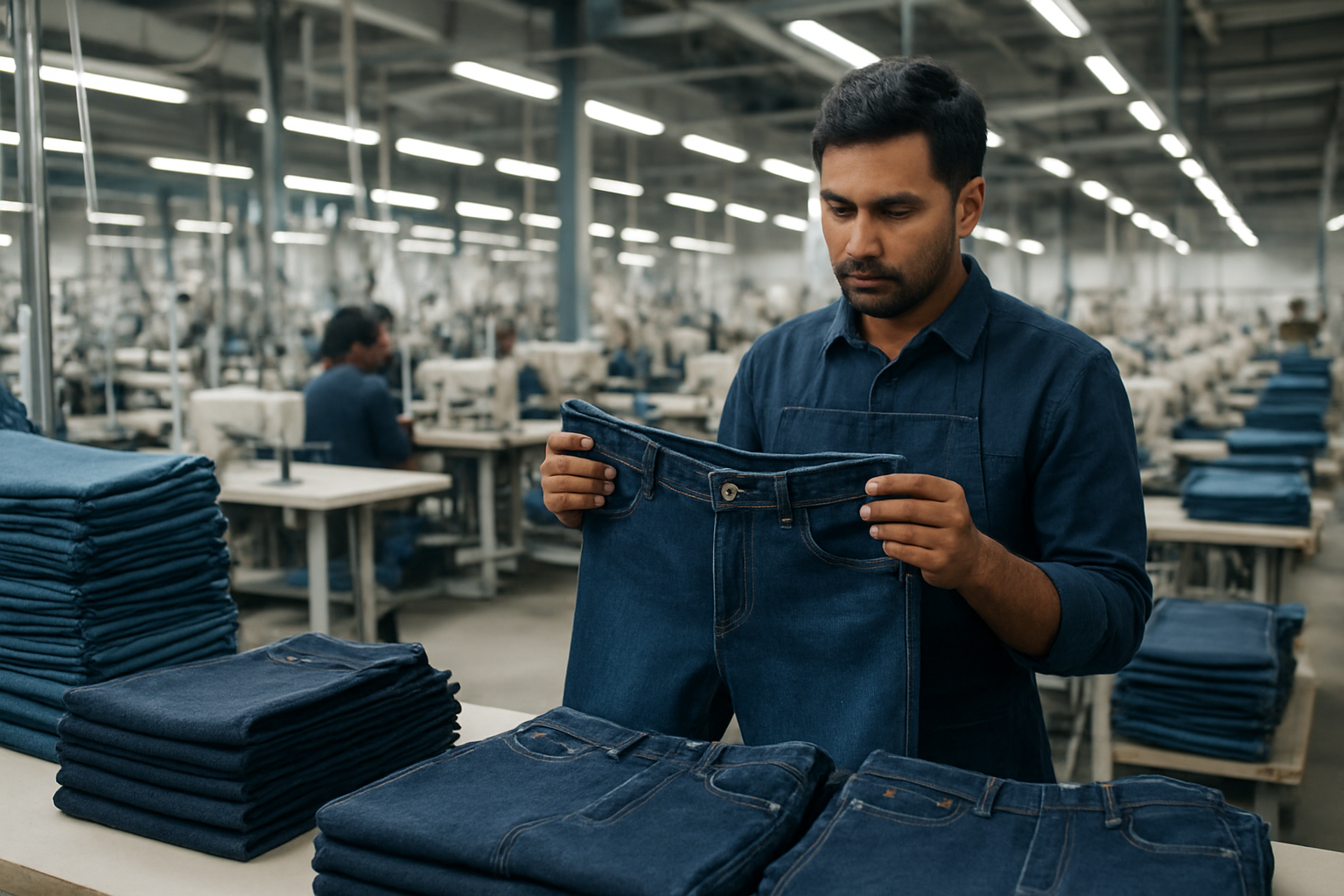
Private label denim production grants importers unprecedented control over every aspect of their product development. Unlike branded alternatives where design choices are predetermined, businesses can specify exact fabric weights, wash treatments, fit profiles, and construction details that align with their target market preferences.
This control extends to quality specifications where importers can:
-
Set precise tolerance levels for measurements and finishing
-
Select premium hardware and trim components
-
Specify sustainable or organic fabric compositions
-
Customize wash formulations for unique aesthetic effects
-
Control thread quality and stitching patterns
Indian denim manufacturers excel at accommodating these detailed specifications, offering technical expertise that enables brands to achieve their exact vision. The collaborative development process allows for iterative refinement, ensuring final products meet exacting standards before mass production begins.
Faster time-to-market with flexible production schedules
Custom denim production through private label partnerships dramatically accelerates product launch timelines compared to traditional retail procurement cycles. While branded alternatives operate on fixed seasonal collections with lengthy lead times, private label manufacturers offer responsive production scheduling that adapts to market demands and trend cycles.
Indian manufacturers typically provide production timelines of 45-90 days from approved samples to finished goods, significantly faster than the 6-12 month cycles common in traditional branded fashion. This agility proves crucial for:
-
Capturing trending styles while demand peaks
-
Responding to unexpected market opportunities
-
Testing new designs with minimal inventory commitments
-
Adjusting production volumes based on pre-order performance
The flexibility extends to order quantities, where minimum order requirements often start at 500-1000 pieces per style, enabling smaller brands to enter markets without massive capital commitments.
Higher profit margins through direct manufacturer partnerships
Direct relationships with denim manufacturing India facilities create substantial profit margin improvements through eliminated intermediaries. Traditional retail models involve multiple markup layers – from manufacturer to distributor, wholesaler, and finally retailer – each adding 50-100% to product costs.
Private label apparel suppliers offer direct partnerships that capture these intermediary margins, often resulting in gross profit improvements of 40-60% compared to reselling branded alternatives. The margin structure becomes even more favorable as order volumes increase, with many Indian manufacturers offering tiered pricing that rewards loyalty and growth.
| Partnership Model | Typical Gross Margin | Key Advantages |
|---|---|---|
| Branded Reseller | 35-45% | Established demand |
| Private Label | 55-70% | Brand control, higher margins |
| Direct Manufacturing | 60-75% | Maximum profit potential |
These enhanced margins provide capital for brand development, marketing initiatives, and market expansion that branded resellers simply cannot match, creating sustainable competitive advantages in the marketplace.
Why Indian Manufacturers Dominate Private Label Denim Production
Advanced textile infrastructure and skilled workforce
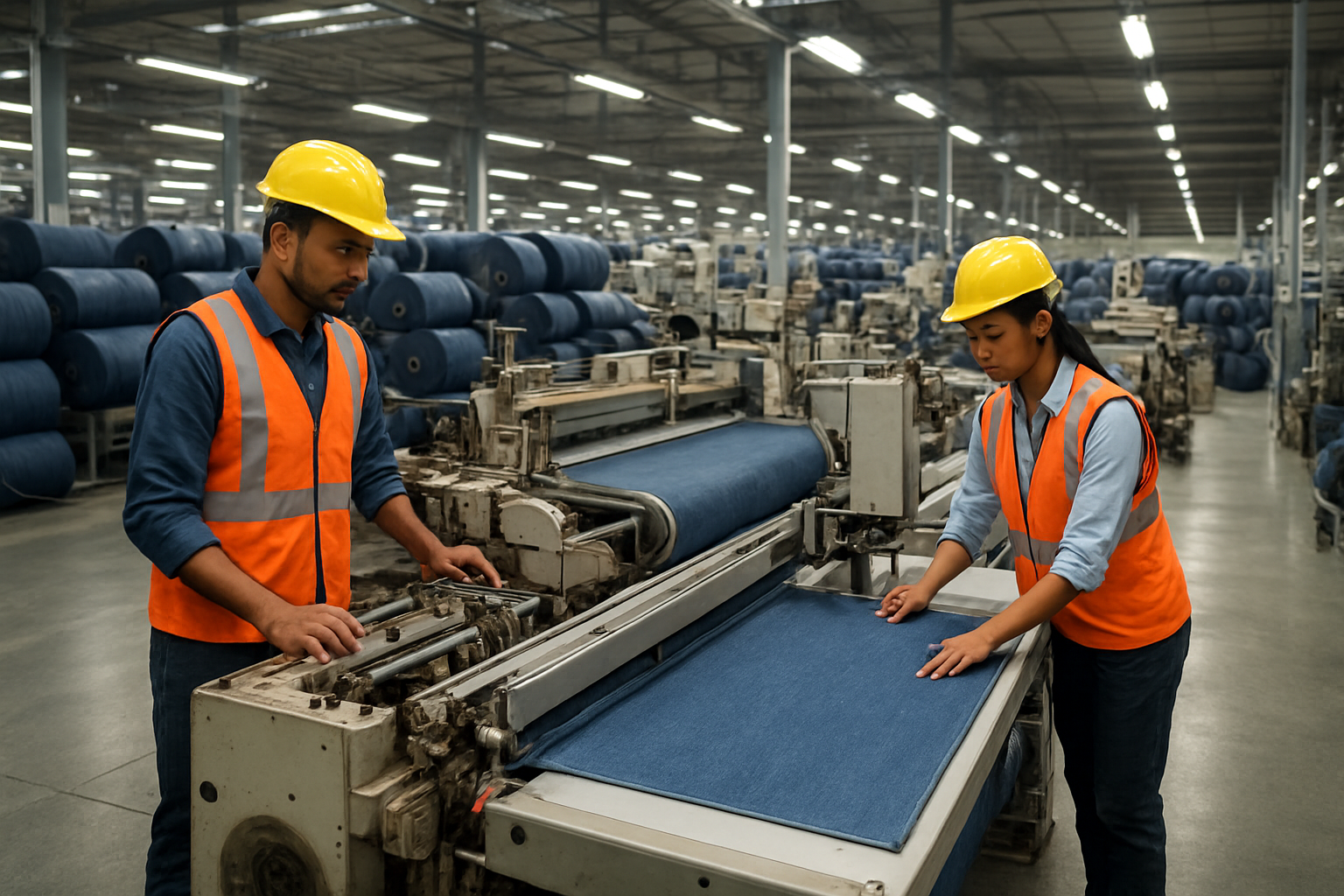
India’s position as a global textile powerhouse stems from decades of investment in cutting-edge manufacturing infrastructure. The country houses state-of-the-art denim mills equipped with the latest machinery from industry leaders like Picanol, Toyota, and Tsudakoma. These facilities can handle everything from yarn spinning to finished garment production under one roof, giving Indian denim manufacturers complete control over quality and timelines.
The skilled workforce is equally impressive. Indian textile workers bring generations of knowledge passed down through families, combined with modern technical training. Many facilities employ master craftsmen who understand the nuances of different denim washes, distressing techniques, and finishing processes that Western brands demand. This expertise translates into consistent quality that meets international standards while maintaining the flexibility needed for custom denim production.
Training programs in partnership with technical institutes ensure workers stay updated on the latest trends and techniques. Major manufacturing hubs like Tamil Nadu, Gujarat, and Karnataka have developed specialized educational programs focused on textile technology, creating a continuous pipeline of skilled labor for the private label denim industry.
Competitive pricing with international quality standards
Indian textile manufacturers offer an unbeatable combination of affordability and quality that’s hard to match elsewhere. Labor costs remain significantly lower than developed countries while productivity levels continue to climb. This cost advantage doesn’t come at the expense of quality – Indian manufacturers have invested heavily in quality control systems and certifications.
Many facilities hold international certifications like OEKO-TEX, WRAP, and SA8000, demonstrating their commitment to global standards. Private label clothing manufacturing partners can expect the same quality levels they’d receive from more expensive alternatives, but at prices that allow for healthy profit margins.
The competitive landscape among Indian manufacturers also drives innovation and efficiency. Companies constantly upgrade their processes and equipment to stay ahead, benefiting international partners through improved lead times and product quality. Volume discounts and flexible minimum order quantities make Indian manufacturers particularly attractive for brands just starting their private label jeans production journey.
Sustainable and eco-friendly manufacturing practices
Environmental consciousness has become a major differentiator for Indian denim manufacturers. Leading facilities have implemented water recycling systems that reduce consumption by up to 80% compared to traditional methods. Zero liquid discharge systems ensure that wastewater doesn’t impact local communities, addressing a key concern for international brands focused on sustainability.
Organic cotton sourcing has expanded significantly, with many manufacturers maintaining direct relationships with certified organic farms. This vertical integration allows for complete traceability – something increasingly important for denim brand development in environmentally conscious markets.
Energy efficiency improvements include solar power installations, steam recovery systems, and LED lighting conversions. Some facilities have achieved carbon neutrality through renewable energy adoption and carbon offset programs. These sustainable practices aren’t just good for the planet – they’re becoming requirements for working with major international brands.
Private label apparel suppliers in India also embrace eco-friendly dyeing processes, including natural indigo dyeing and reduced-chemical washing techniques. These innovations help brands meet consumer demand for environmentally responsible products while maintaining the aesthetic qualities that make denim appealing.
Established export capabilities and global logistics networks
Indian manufacturers have built sophisticated export infrastructure over decades of international trade. Major ports like Mumbai, Chennai, and Kandla offer direct shipping routes to key markets worldwide. Established relationships with international freight forwarders and logistics companies ensure smooth delivery to global destinations.
Documentation and compliance expertise sets Indian exporters apart. They understand the specific requirements for different markets, from EU regulations to US customs procedures. This knowledge prevents costly delays and ensures wholesale denim manufacturing orders reach their destinations on schedule.
Many manufacturers maintain representative offices in key international markets, providing local support for private label denim partners. These offices handle everything from sample approvals to after-sales service, making the partnership feel more like working with a local supplier despite the geographical distance.
Technology integration includes real-time tracking systems, digital documentation, and EDI capabilities that integrate seamlessly with international buyers’ systems. This technological sophistication, combined with competitive shipping rates due to high export volumes, makes Indian manufacturers an attractive choice for brands looking to scale their operations globally.
Finding and Evaluating the Right Indian Denim Manufacturing Partner
Research methods for identifying qualified manufacturers
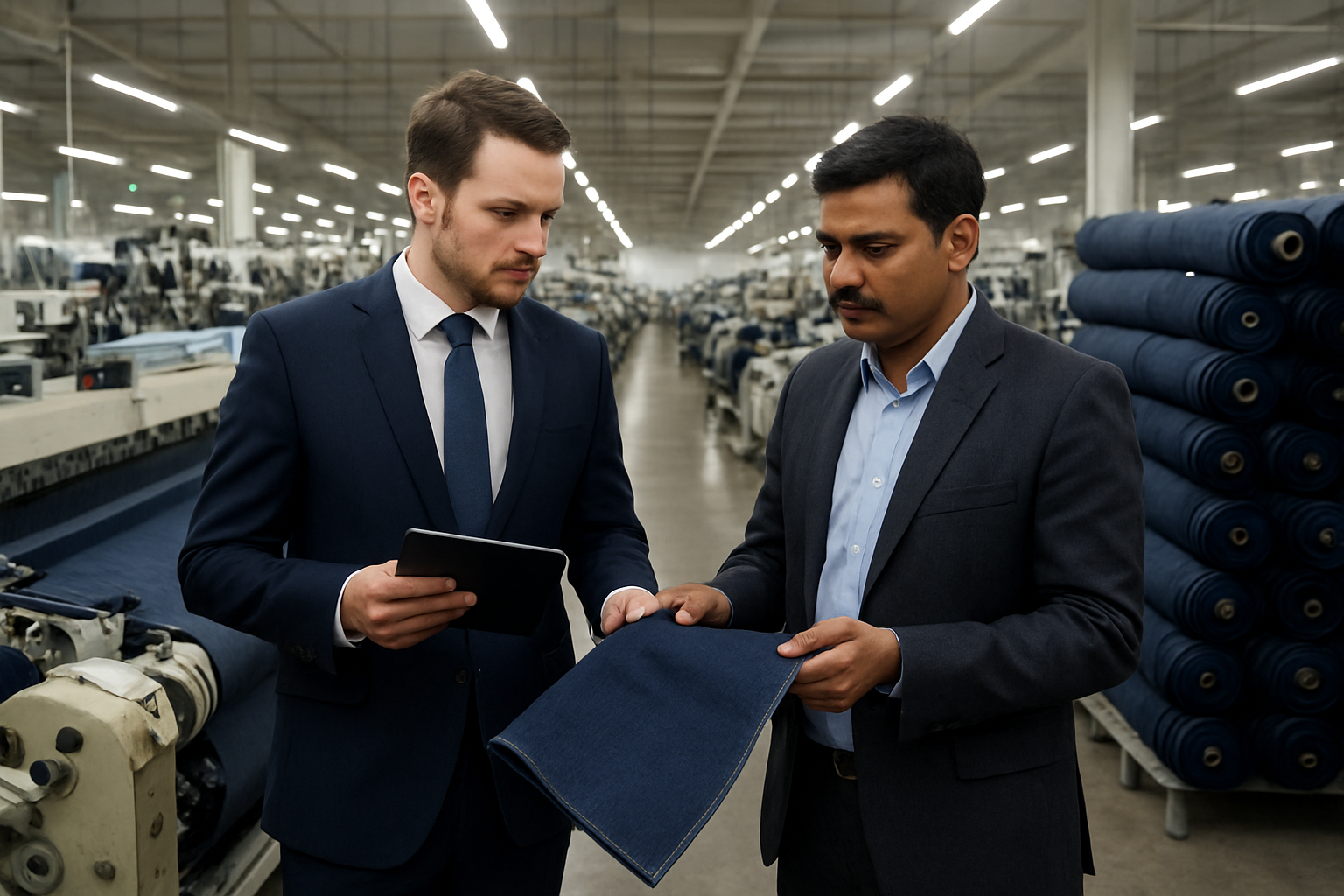
Start your search with comprehensive B2B platforms like Alibaba, IndiaMART, and Global Sources, where hundreds of Indian denim manufacturers showcase their capabilities. These platforms offer filtering options by production capacity, certifications, and export experience. Trade shows remain invaluable for direct connections – attend events like India International Garment Fair or Denim by PV in Mumbai to meet manufacturers face-to-face and evaluate their expertise.
Government trade bodies like the Export Promotion Council for Handicrafts (EPCH) and the Cotton Textiles Export Promotion Council provide verified manufacturer directories. Their listings include companies that have already undergone preliminary vetting processes.
Industry associations such as the Clothing Manufacturers Association of India (CMAI) maintain databases of reputable private label clothing manufacturing partners. Professional networks on LinkedIn can connect you with sourcing agents who have established relationships with reliable Indian denim manufacturers.
Consider hiring local sourcing consultants who understand the regional manufacturing landscape. States like Tamil Nadu, Karnataka, and Gujarat house major denim production clusters, each with distinct specializations and cost structures.
Third-party verification services like SGS or Intertek can provide detailed manufacturer assessments, including facility audits and capability reports. These services offer objective evaluations of potential partners before you commit to site visits.
Essential quality certifications and compliance requirements
Quality certifications serve as your first line of defense against substandard production. Look for manufacturers holding WRAP (Worldwide Responsible Accredited Production) certification, which covers social compliance, security, and quality management systems. ISO 9001:2015 certification demonstrates commitment to consistent quality management processes.
OEKO-TEX Standard 100 certification ensures the denim fabric meets strict ecological and human health requirements. This certification becomes particularly important when targeting markets with stringent chemical content regulations like the EU or US.
For sustainable positioning, seek manufacturers with Global Organic Textile Standard (GOTS) certification for organic cotton denim or Cradle to Cradle certification for circular economy practices. SEDEX membership indicates adherence to ethical trade practices and supply chain transparency.
Compliance requirements vary by target market. US importers need manufacturers familiar with Consumer Product Safety Improvement Act (CPSIA) requirements, while EU-focused brands require compliance with REACH regulations for chemical substances. Manufacturers should maintain detailed chemical testing reports and provide Material Safety Data Sheets (MSDS) for all dyes and treatments used.
Environmental compliance certifications like ISO 14001 demonstrate proper waste management and environmental impact mitigation. Zero Discharge of Hazardous Chemicals (ZDHC) certification shows commitment to eliminating harmful chemicals from the production process.
Production capacity assessment and scalability factors
Evaluate production capacity beyond basic numbers. A manufacturer claiming 100,000 units monthly capacity might already be operating at 85% utilization, leaving little room for your orders during peak seasons. Request detailed capacity breakdowns by product type, as denim production capacity differs significantly from basic apparel manufacturing.
Examine their workforce structure and skill levels. Skilled pattern makers, experienced wash technicians, and quality control specialists directly impact your private label denim quality and development speed. Manufacturers with dedicated sampling teams can execute design modifications faster and more accurately.
Technology infrastructure plays a crucial role in scalability. Modern facilities equipped with automated cutting systems, computerized wash processes, and digital quality monitoring systems can handle larger orders while maintaining consistency. Outdated equipment often signals potential bottlenecks during scaling phases.
Financial stability indicators include their current client portfolio, order book visibility, and payment terms flexibility. Manufacturers working with established international brands demonstrate proven capabilities in handling larger volumes and complex requirements.
Assess their raw material sourcing capabilities and supplier relationships. Reliable access to quality denim fabric, hardware, and trims becomes critical when scaling production. Manufacturers with vertical integration or strong supplier partnerships can better accommodate growing demand without quality compromises.
Geographic location impacts scalability through logistics considerations. Facilities near major ports like Mumbai or Chennai offer faster shipping times and lower transportation costs, supporting efficient inventory management as your private label denim business grows.
Navigating the Private Label Development Process

Design Collaboration and Sample Development Procedures
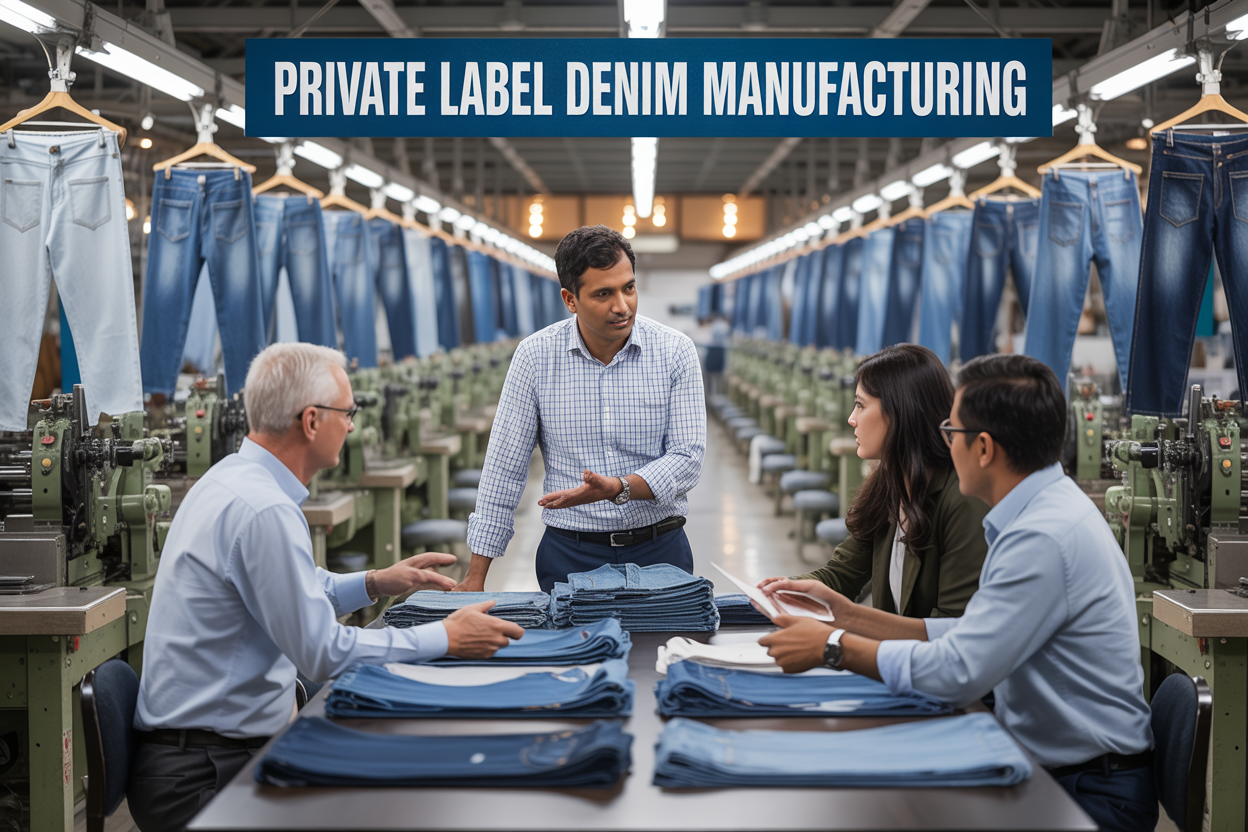
Starting your journey with Indian denim manufacturers means establishing a solid design collaboration framework from day one. Your manufacturing partner should assign dedicated designers who understand both local production capabilities and international market trends. The best private label denim manufacturers in India typically maintain in-house design teams with experience in global fashion standards.
Sample development follows a structured three-stage process. First, tech packs containing detailed specifications, measurements, and design elements get translated into initial samples. These prototypes help identify potential production challenges early. Second-stage samples incorporate feedback and refinements, focusing on fit, finish, and construction details. Final samples serve as the golden standard for bulk production approval.
Communication tools make collaboration seamless. Video conferences for design reviews, shared digital platforms for file exchange, and regular photo updates during sample creation keep projects on track. Most established Indian textile manufacturers use modern project management systems that provide real-time visibility into sample progress.
Material Sourcing and Fabric Specification Guidelines
Indian denim manufacturing offers access to diverse fabric options, from premium Japanese selvage to sustainable organic cotton blends. Your manufacturer should present fabric libraries with detailed specifications including weight, stretch percentages, color fastness ratings, and shrinkage data. This transparency helps make informed decisions about material selection.
Fabric sourcing typically involves three main categories:
-
Mill-direct sourcing: Working directly with Indian cotton mills for competitive pricing
-
Import arrangements: Accessing international fabrics for premium collections
-
Sustainable options: Organic, recycled, and eco-friendly denim alternatives
Quality specifications require clear documentation. Establish parameters for fabric weight (typically 10-16 oz for denim), stretch recovery rates, color consistency tolerances, and washing performance standards. Your private label clothing manufacturing partner should provide fabric test reports covering shrinkage, colorfastness, and tensile strength before production begins.
Quality Control Checkpoints Throughout Production
Quality assurance in custom denim production requires multiple checkpoints rather than single end-inspections. Pre-production inspections verify fabric quality, hardware specifications, and thread colors match approved standards. In-line inspections during cutting and sewing catch issues before they compound across large quantities.
Your Indian denim manufacturers should implement AQL (Acceptable Quality Level) standards with documented inspection protocols. Key checkpoints include:
| Production Stage | Inspection Focus | Acceptance Criteria |
|---|---|---|
| Fabric Receipt | Weight, color, defects | 95% conformance |
| Cutting | Pattern accuracy, grain alignment | Zero major defects |
| Sewing | Stitch quality, construction | AQL 2.5 standard |
| Washing | Color consistency, finish quality | 98% approval rate |
| Final Inspection | Overall appearance, packaging | AQL 1.5 standard |
Third-party inspection services provide additional quality assurance for private label jeans production. These independent audits validate your manufacturer’s internal quality systems and provide objective assessment reports before shipment.
Timeline Management and Delivery Coordination
Effective timeline management starts with realistic production scheduling based on order complexity and seasonal demands. Indian textile manufacturers typically require 45-90 days for private label denim production, depending on fabric sourcing, wash processes, and order quantities.
Break down your production timeline into clear phases: design approval (7-10 days), sample development (14-21 days), fabric procurement (15-30 days), cutting and sewing (20-35 days), finishing processes (5-10 days), and quality inspection (3-5 days). Buffer time accounts for potential delays in fabric delivery or wash development.
Delivery coordination involves selecting appropriate shipping methods based on urgency and budget constraints. Air freight offers speed but increases costs significantly. Sea freight provides economical solutions with longer transit times. Your denim brand development strategy should align shipping choices with market launch deadlines and inventory requirements.
Regular production updates prevent surprises and enable proactive problem-solving. Weekly progress reports with photos, milestone confirmations, and early warning systems for potential delays keep your wholesale denim manufacturing projects on schedule.
Building Your Brand Identity Through Private Label Partnerships

Developing Unique Design Elements and Brand Differentiation
Creating a standout denim brand starts with developing design elements that make your products instantly recognizable. When working with Indian denim manufacturers, you have access to incredible craftsmanship that can bring unique details to life. Think about signature stitching patterns, custom hardware, distinctive washes, or innovative fabric treatments that become your brand’s calling card.
Your manufacturing partner can help you explore various customization options that set you apart from competitors. Maybe it’s a specific riveting pattern, custom embroidery placement, or unique pocket designs. Indian manufacturers excel at precision work and can execute intricate details that give your jeans a premium feel without breaking the budget.
Consider developing a signature fit that becomes synonymous with your brand. Work closely with your manufacturer to perfect the pattern and grading across different sizes. This attention to fit creates customer loyalty and word-of-mouth marketing that money can’t buy.
Color stories and wash techniques offer another avenue for differentiation. Indian denim facilities often have advanced washing and finishing capabilities, allowing you to create exclusive colorways and treatments. Whether you want vintage-inspired fades or contemporary clean finishes, the right manufacturing partner can translate your vision into reality while maintaining consistency across production runs.
Creating Compelling Brand Storytelling Around Manufacturing Origins
The “Made in India” story can become a powerful part of your brand narrative when told authentically. India’s rich textile heritage spans centuries, and partnering with Indian denim manufacturers connects your brand to this legacy of craftsmanship and quality.
Share the human stories behind your products. Highlight the skilled artisans who carefully construct each pair of jeans, the traditional techniques that inform modern production methods, and the communities that support your manufacturing operations. This transparency builds trust with conscious consumers who want to know where their clothes come from.
Document your manufacturing journey through photos, videos, and behind-the-scenes content. Show the attention to detail in your production process, from fabric selection to final quality checks. This content works beautifully across social media platforms and helps customers feel connected to your brand’s values.
Consider partnering with manufacturers who embrace sustainable practices and fair labor standards. These partnerships allow you to tell stories about environmental responsibility and ethical production that resonate with today’s socially conscious consumers. The combination of quality craftsmanship and responsible manufacturing creates a compelling brand narrative that differentiates you from fast fashion competitors.
Leveraging Manufacturer Expertise for Trend Forecasting
Smart private label brands tap into their manufacturing partners’ industry knowledge for trend insights and product development guidance. Indian denim manufacturers work with brands worldwide, giving them a unique perspective on emerging trends across different markets.
Your manufacturing partner sees fabric innovations, wash techniques, and styling details before they hit mainstream markets. They can alert you to new developments in stretch technologies, sustainable materials, or finishing techniques that could give your brand a competitive edge.
Regular communication with your manufacturer about market trends helps you make informed decisions about upcoming collections. They might suggest incorporating certain design elements based on orders they’re receiving from other regions, or recommend adjusting your color palette based on global fashion movements.
Take advantage of their technical expertise when exploring new product categories or construction methods. If you want to expand from basic five-pocket jeans to technical denim or specialty fits, your manufacturer can guide you through the development process, helping you avoid costly mistakes and accelerate your timeline.
Establishing Exclusive Product Lines and Seasonal Collections
Building exclusive product lines with your Indian manufacturing partner creates scarcity and desirability around your brand. Work together to develop limited-edition pieces that showcase special techniques, premium materials, or collaborative design elements.
Seasonal collections allow you to keep your brand fresh and give customers reasons to return regularly. Your manufacturer can help you plan production timelines that align with fashion calendars while ensuring quality isn’t compromised by rushed schedules.
Consider creating tiered product offerings that cater to different customer segments. Maybe you have a core line of everyday jeans and a premium collection featuring special washes or construction details. This strategy maximizes your market reach while maintaining profitability across different price points.
Collaborate on capsule collections that tell specific stories or celebrate particular themes. These focused collections create marketing opportunities and help build brand buzz around new launches. Your manufacturing partner’s flexibility and expertise make these creative projects possible while keeping production costs manageable.
Managing Costs and Maximizing Profitability

Negotiating favorable pricing structures and payment terms
Smart importers understand that successful negotiations with Indian denim manufacturers go beyond simply asking for lower prices. The key lies in creating win-win scenarios that benefit both parties long-term. Start by understanding the manufacturer’s cost structure – raw material costs, labor expenses, overhead, and margin requirements. This knowledge positions you to negotiate more effectively.
Consider volume-based pricing tiers where unit costs decrease as order quantities increase. Many Indian textile manufacturers offer graduated pricing structures that reward larger commitments. For example, ordering 5,000 pieces might cost $12 per unit, while 20,000 pieces could drop to $9.50 per unit.
Payment terms significantly impact your cash flow and the manufacturer’s willingness to offer competitive pricing. Standard industry terms often start at 30% advance payment and 70% before shipment. However, established relationships can evolve into more favorable arrangements like 20% advance, 40% on production completion, and 40% against shipping documents.
Letter of Credit (LC) arrangements provide security for both parties while potentially securing better pricing. Manufacturers often offer 2-5% discounts for LC payments since they guarantee payment. Similarly, longer payment terms like 60-90 days might be negotiable for repeat customers with strong credit histories.
Optimizing minimum order quantities for inventory efficiency
Balancing minimum order quantities (MOQs) with inventory management requires strategic thinking about your market demand and cash flow capabilities. Most private label denim manufacturers in India set MOQs between 500-2,000 pieces per style, depending on the complexity and customization level required.
Break down your approach by product categories. Basic five-pocket jeans typically have lower MOQs (500-800 pieces) since they use standard processes and materials. Specialized items like coated denim, heavy distressing, or unique washes often require higher MOQs (1,500-3,000 pieces) due to setup costs and specialized equipment needs.
Consider split shipments to manage inventory more effectively. Instead of receiving 2,000 pieces at once, negotiate delivery in two shipments of 1,000 pieces each, spaced 60-90 days apart. This approach helps maintain fresh inventory while reducing storage costs and minimizing the risk of slow-moving stock.
Color and size assortments also impact MOQ efficiency. Work with your Indian manufacturing partner to identify their most popular size runs and color combinations. Aligning your orders with their standard offerings can sometimes reduce MOQs or improve pricing.
Reducing overhead through streamlined supply chain management
Efficient supply chain management with Indian denim manufacturers can dramatically reduce overhead costs and improve profitability. Digital communication tools like Slack, WhatsApp Business, or specialized platforms like Alibaba Trade Assurance facilitate real-time updates and reduce miscommunication costs.
Consolidate shipments whenever possible to maximize container utilization. A standard 40-foot container holds approximately 25,000-30,000 pieces of denim, depending on weight and packaging. Combining multiple styles or coordinating with other importers can help achieve full container loads, reducing per-unit shipping costs by 30-40%.
Implement vendor-managed inventory (VMI) systems where your Indian manufacturing partner maintains agreed-upon stock levels based on your sales forecasts. This arrangement reduces your working capital requirements while ensuring consistent supply. Many established denim manufacturers in India offer VMI programs for customers ordering consistently over 50,000 pieces annually.
Quality control integration saves significant costs compared to third-party inspection services. Develop standardized quality checkpoints with your manufacturer, including pre-production samples, inline inspections, and final audits. Training the manufacturer’s quality team on your specific requirements eliminates surprises and reduces rejection rates.
Consider establishing regional distribution partnerships in key markets rather than shipping everything to a central warehouse. Some Indian manufacturers offer drop-shipping services or maintain fulfillment partnerships in major markets, reducing your logistics overhead while improving delivery times to customers.
Scaling Your Private Label Denim Business Successfully
Expanding Product Lines and Diversifying Offerings
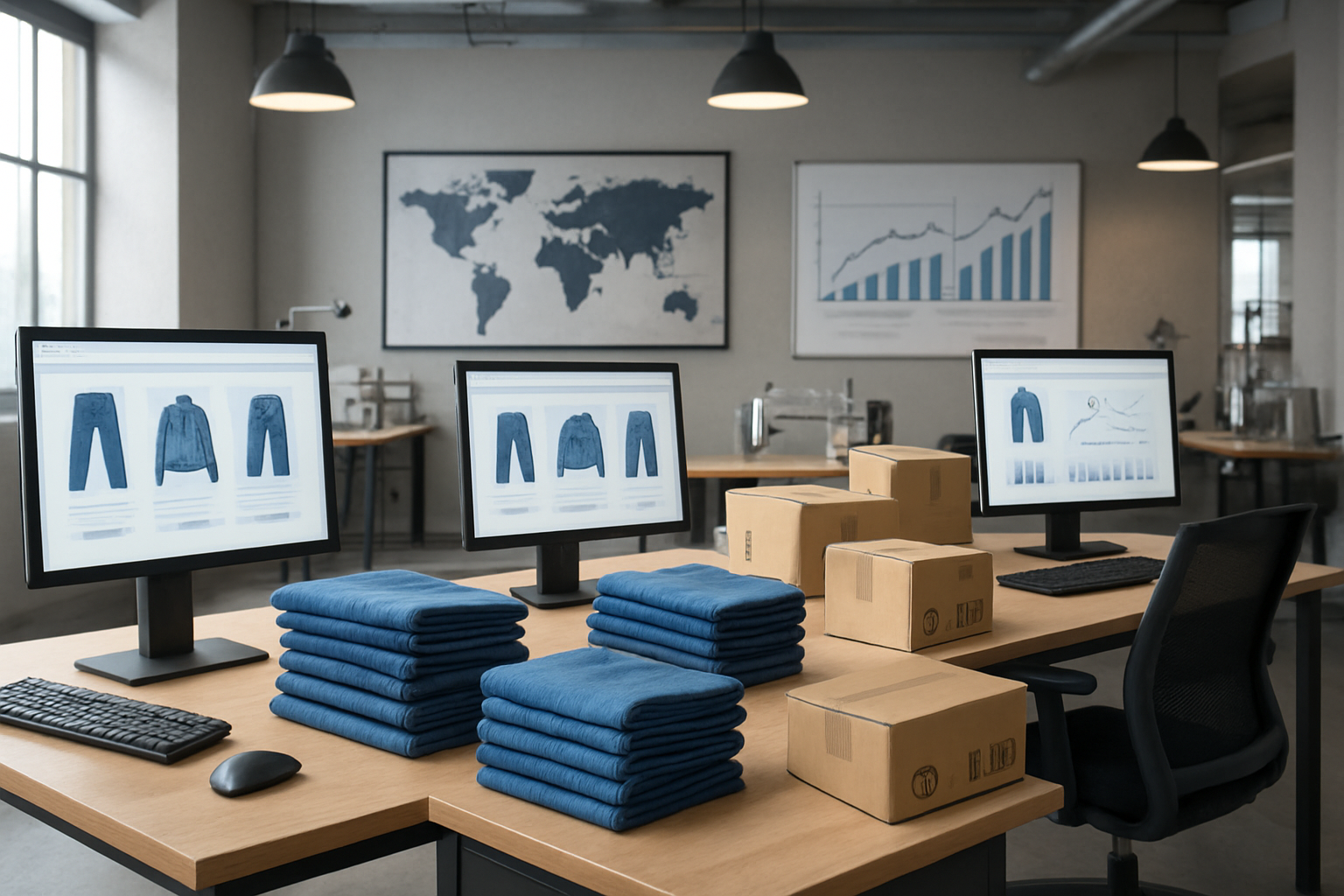
Growing your private label denim business means looking beyond basic jeans to capture more market share. Smart brand owners work with their Indian denim manufacturers to expand into related categories like denim jackets, shirts, skirts, and shorts. This approach maximizes your relationship with existing suppliers while meeting diverse customer needs.
Start by analyzing your current sales data to identify gaps in your product range. If your core demographic loves your skinny jeans, they’ll likely embrace your denim jackets too. Indian manufacturers excel at producing various denim weights and washes, making them ideal partners for diversification.
Consider seasonal collections that complement your main line. Summer denim shorts, lightweight chambray shirts, or heavier winter jackets can extend your selling seasons. Many Indian denim manufacturers offer fabric development services, helping you create unique textures and finishes that set your expanded lines apart.
The key is gradual expansion rather than overwhelming your operations. Test new categories with small quantities first, gather customer feedback, and scale successful products. Your private label clothing manufacturing partner can often accommodate smaller trial runs before committing to larger production volumes.
Building Long-Term Strategic Partnerships with Manufacturers
Successful private label denim brands don’t just find suppliers – they cultivate strategic partnerships that grow stronger over time. Building these relationships with Indian textile manufacturers requires consistent communication, mutual respect, and shared business goals.
Start by treating your manufacturing partners as extensions of your team rather than just vendors. Regular video calls, facility visits, and collaborative planning sessions strengthen these bonds. When manufacturers understand your brand vision and market positioning, they can suggest improvements and innovations that benefit both parties.
Establish clear performance metrics and reward excellence. Manufacturers who consistently deliver quality products on time deserve preferential treatment, priority scheduling, and first access to new capabilities. This loyalty encourages them to invest in equipment and training that specifically benefits your brand.
Long-term partnerships also unlock exclusive opportunities. Established relationships often lead to preferential pricing, reserved production capacity during peak seasons, and access to new fabric technologies before competitors. Your Indian denim manufacturers may even develop custom processes specifically for your brand.
Create formal partnership agreements that outline expectations, quality standards, and growth projections. These documents protect both parties while establishing frameworks for resolving disputes and planning future expansions.
Developing Multiple Supplier Relationships for Risk Mitigation
Smart private label denim businesses never put all their eggs in one basket. Diversifying your supplier network protects against production delays, quality issues, and unexpected disruptions while maintaining competitive leverage in negotiations.
Develop a tiered supplier strategy with your primary manufacturer handling 60-70% of production, a secondary partner managing 20-30%, and smaller specialized suppliers covering niche products or backup capacity. This structure provides stability while maintaining flexibility for growth and emergencies.
Each supplier should offer unique strengths. Your primary Indian denim manufacturer might excel at high-volume basic styles, while a secondary partner specializes in premium finishes or sustainable production. Smaller suppliers could handle limited edition collections or experimental designs.
| Supplier Type | Production Share | Key Strengths | Risk Mitigation |
|---|---|---|---|
| Primary Partner | 60-70% | High volume, consistent quality | Main production backbone |
| Secondary Partner | 20-30% | Specialized capabilities | Backup capacity, leverage |
| Niche Suppliers | 5-10% | Innovation, unique processes | Flexibility, special projects |
Regular supplier audits ensure all partners maintain your quality standards and ethical practices. Cross-training suppliers on your specifications means any partner can step up production if needed. This redundancy proves invaluable during peak seasons, supply chain disruptions, or rapid growth phases.
Maintain active relationships with all suppliers even during slower periods. Small orders or development projects keep partnerships warm and ready for larger opportunities. Your wholesale denim manufacturing network should feel like a well-orchestrated team rather than competing vendors.
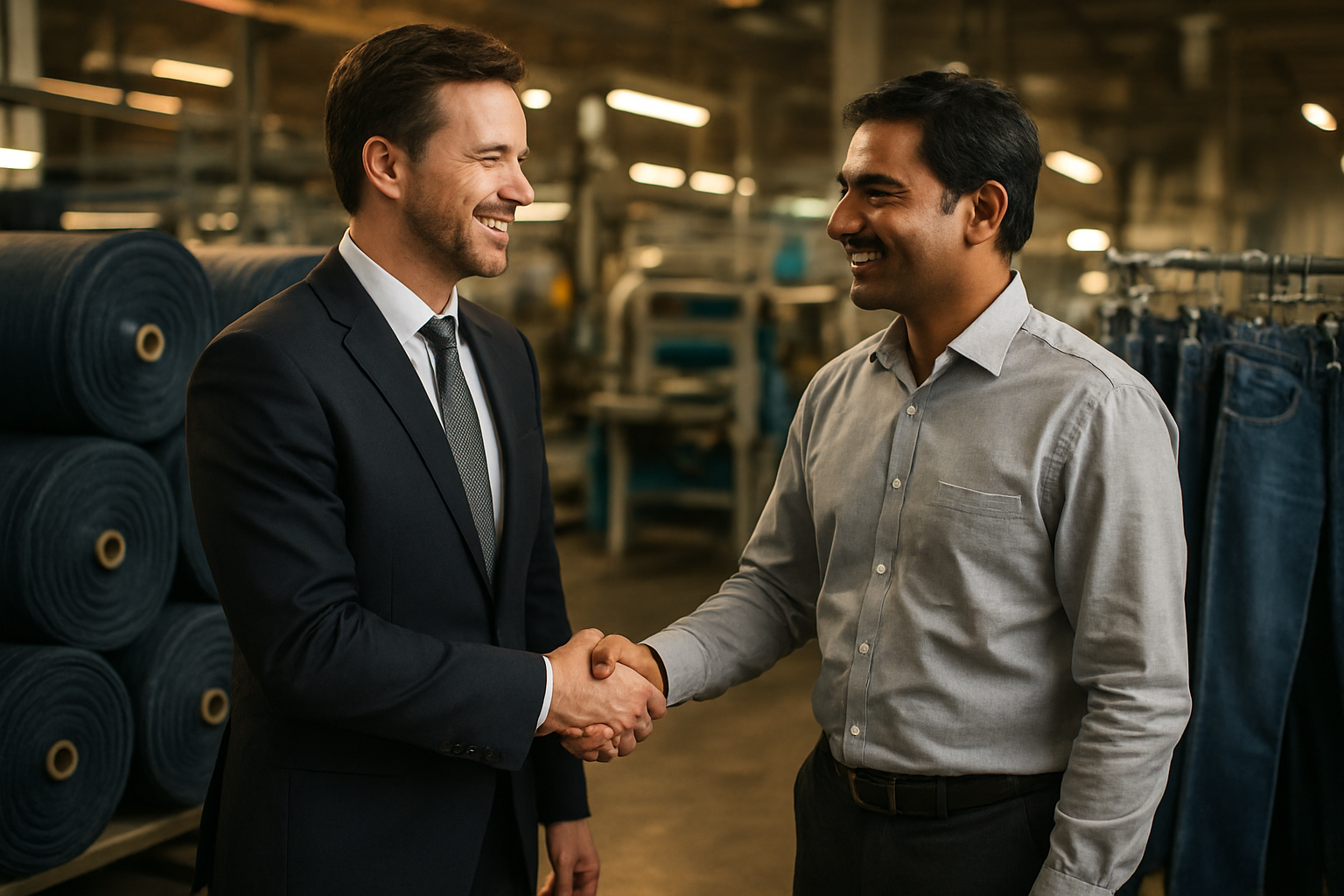
Building your own denim brand doesn’t have to be an impossible dream. Indian manufacturers offer the perfect blend of quality craftsmanship, competitive pricing, and flexible production capabilities that make private label denim accessible to businesses of all sizes. From choosing the right manufacturing partner to developing your unique brand identity, each step of the process can set your business apart in a crowded marketplace. The key lies in finding manufacturers who align with your vision and can deliver consistent quality while keeping costs manageable.
Success in private label denim comes down to smart partnerships and strategic planning. Start by researching potential Indian manufacturers thoroughly, ask the right questions about their capabilities, and don’t rush the development process. Remember that building a strong brand takes time, but with the right manufacturing partner by your side, you can create something truly special that resonates with your customers. Take the first step today by reaching out to potential manufacturing partners and begin turning your denim brand vision into reality.