

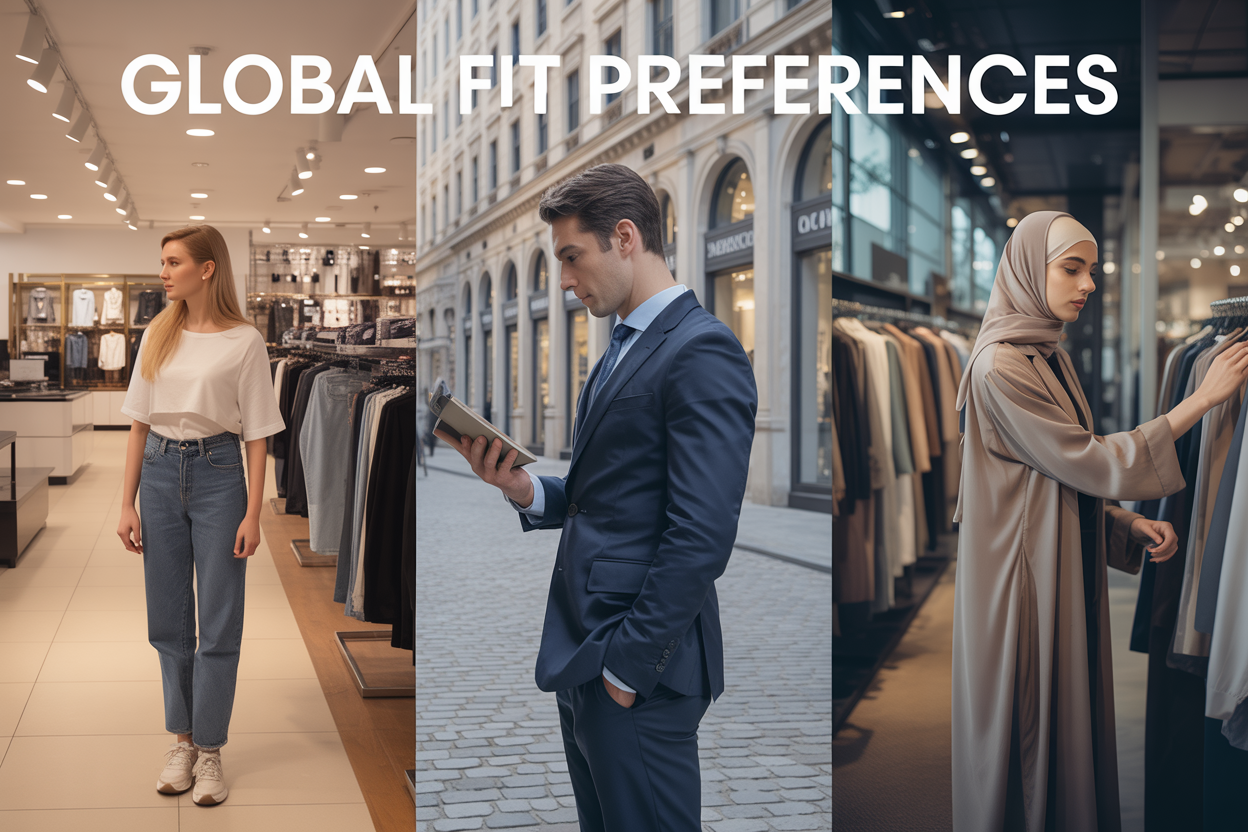
USA vs Europe vs Middle East Buyers
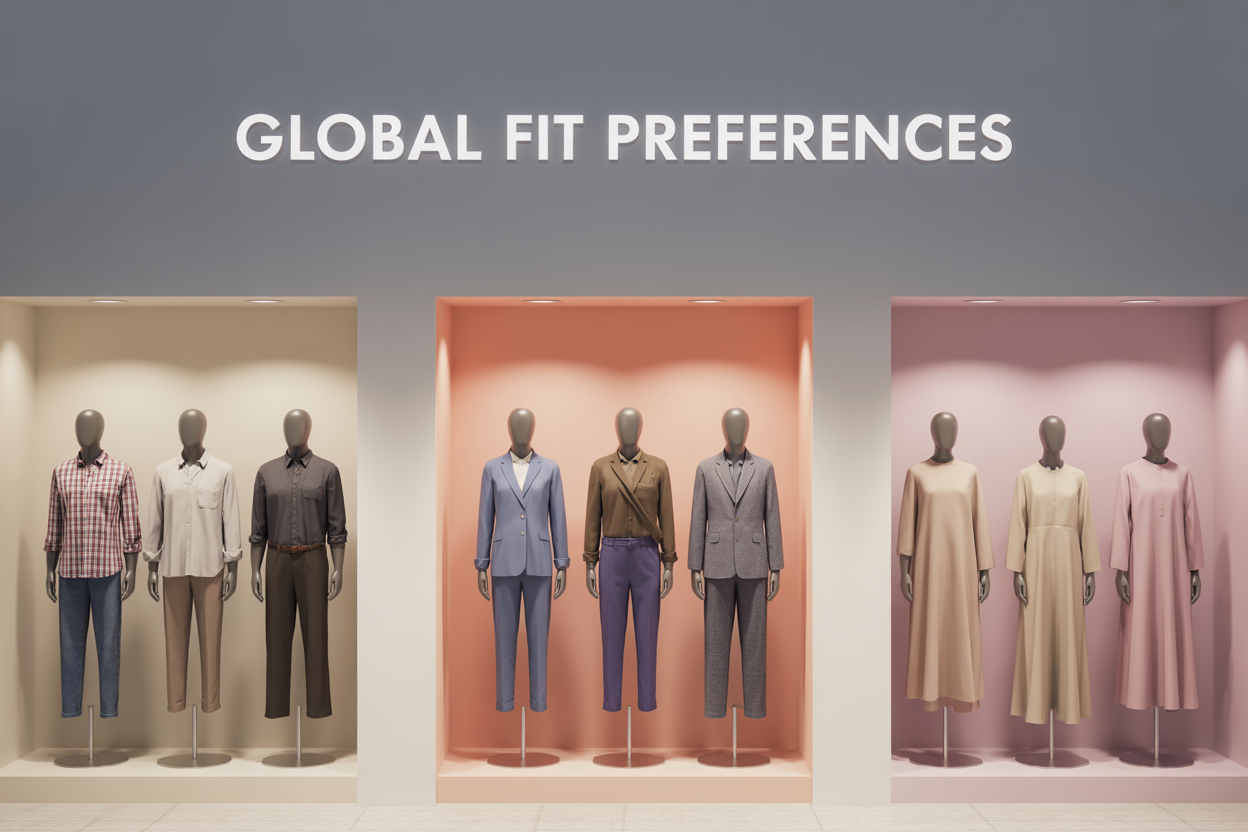
Understanding Fit Preferences: USA vs Europe vs Middle East Buyers
Fashion brands expanding globally face a complex puzzle: clothing fit preferences by region vary dramatically based on cultural values, body types, and lifestyle needs. This guide helps fashion retailers, clothing manufacturers, and international e-commerce businesses navigate the nuanced world of cross-cultural fashion buying behavior.
Each market brings distinct expectations. American shoppers often prioritize comfort and casual styling, while European consumers lean toward structured, tailored silhouettes. Middle Eastern buyers seek clothing that balances modern trends with cultural modesty requirements.
We’ll explore how cultural influences in clothing fit create unique challenges for global brands. You’ll discover the key regional body types and sizing variations that impact product development, plus practical insights into USA market fit preferences versus European tailoring standards. We’ll also break down Middle Eastern market modesty requirements and how different regions approach online versus in-store shopping for the perfect fit.
Understanding these international sizing variations and regional fashion consumer habits can make the difference between a successful global launch and costly returns from mismatched expectations.
Cultural Influences Shaping Clothing Fit Expectations
Traditional dress codes driving modern preferences
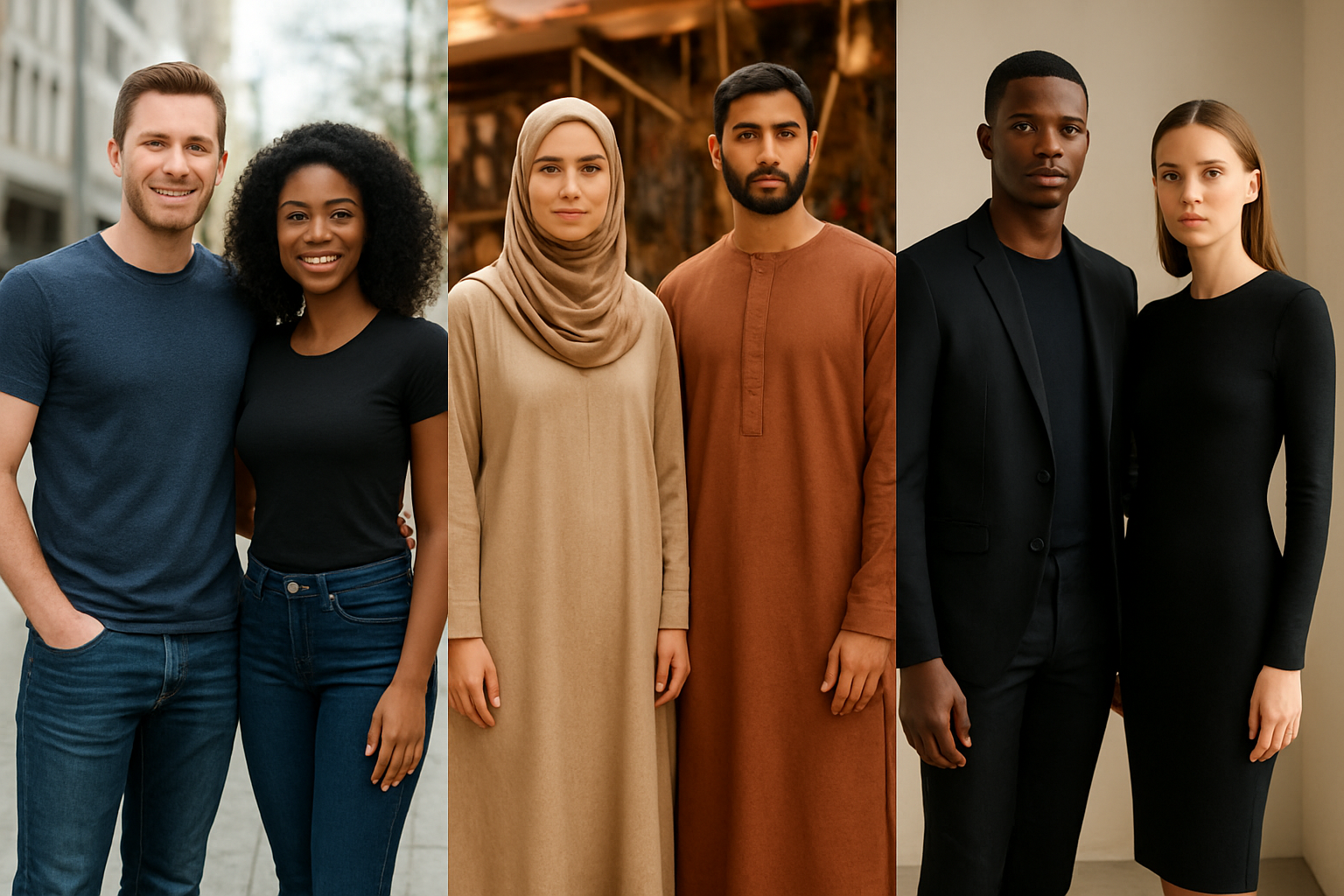
Cultural clothing traditions continue to shape how people expect their clothes to fit today. In Western societies, the shift from formal Victorian-era silhouettes to more relaxed fits reflects decades of social liberation and practicality. American casual wear culture, born from frontier practicality and later reinforced by Hollywood, prioritizes comfort and ease of movement. This translates into modern preferences for roomier cuts and stretchy fabrics.
European fashion traditions stem from centuries of tailoring craftsmanship, where precise measurements and structured fits were symbols of social status. Countries like Italy and France built their fashion reputations on garments that follow body contours closely, creating a preference for fitted clothing that enhances natural silhouettes. This heritage explains why European consumers often seek more tailored fits compared to their American counterparts.
Middle Eastern traditional garments like thobes, kaftans, and abayas emphasize flowing, loose-fitting designs that provide coverage and comfort in hot climates. These cultural foundations influence modern Middle Eastern consumers’ expectations for clothing that offers both style and modesty without compromising on comfort.
Body image ideals across different societies
Regional body image ideals significantly impact clothing fit preferences and sizing expectations across global markets. American beauty standards often celebrate athletic builds and curves, leading to clothing designs that accommodate diverse body types with forgiving fits and size-inclusive ranges. The rise of body positivity movements has pushed brands to create clothing that flatters various figures rather than forcing conformity to one ideal.
European body image ideals vary by country but generally favor lean, elongated silhouettes. This preference drives demand for clothing that creates clean lines and structured shapes. Scandinavian countries particularly embrace minimalist aesthetics that complement naturally tall, slender builds, while Mediterranean regions appreciate fits that accentuate curves in sophisticated ways.
Middle Eastern societies often emphasize modesty over body-conscious fits, but this doesn’t mean compromising style. Modern modest fashion has evolved to include beautifully tailored pieces that follow Islamic guidelines while still flattering the wearer. The growing modest fashion market demonstrates how cultural values can drive innovation in fit and design.
Professional workplace standards and requirements
Workplace dress codes across regions create distinct expectations for clothing fit that extend into everyday wear preferences. American business casual culture has relaxed significantly, allowing for looser fits and more flexible styling. Tech industry influence has made comfortable, practical clothing acceptable in many professional settings, affecting overall consumer preferences for easy-fitting garments.
European workplace standards maintain more formal traditions, especially in finance, law, and government sectors. Sharp tailoring and precise fits remain professional necessities, creating consumer demand for well-fitted blazers, trousers, and dresses. Countries like Germany and Switzerland particularly value understated, quality construction over trendy cuts.
Middle Eastern professional environments often require clothing that meets both business standards and cultural expectations. This creates demand for sophisticated pieces that provide appropriate coverage while maintaining professional polish. The challenge of balancing modern business needs with traditional values has sparked innovation in modest professional wear.
Religious and cultural modesty considerations
Religious and cultural modesty requirements significantly influence regional clothing fit preferences and shopping behaviors. Islamic dress codes emphasize loose-fitting garments that don’t reveal body contours, driving demand for flowing silhouettes and longer hemlines. This has created a thriving modest fashion industry that proves stylish clothing doesn’t require tight fits.
Christian communities in various regions also influence local fit preferences, though requirements vary widely. Conservative Protestant communities might prefer longer sleeves and higher necklines, while Catholic regions may emphasize overall modesty without specific garment restrictions.
Cultural taboos around body exposure create unique challenges for international fashion brands. Understanding these sensitivities helps explain why certain fits succeed in some markets while failing in others. Brands that respect these cultural differences while offering stylish alternatives often find success across diverse global markets.
Regional Body Types and Sizing Variations
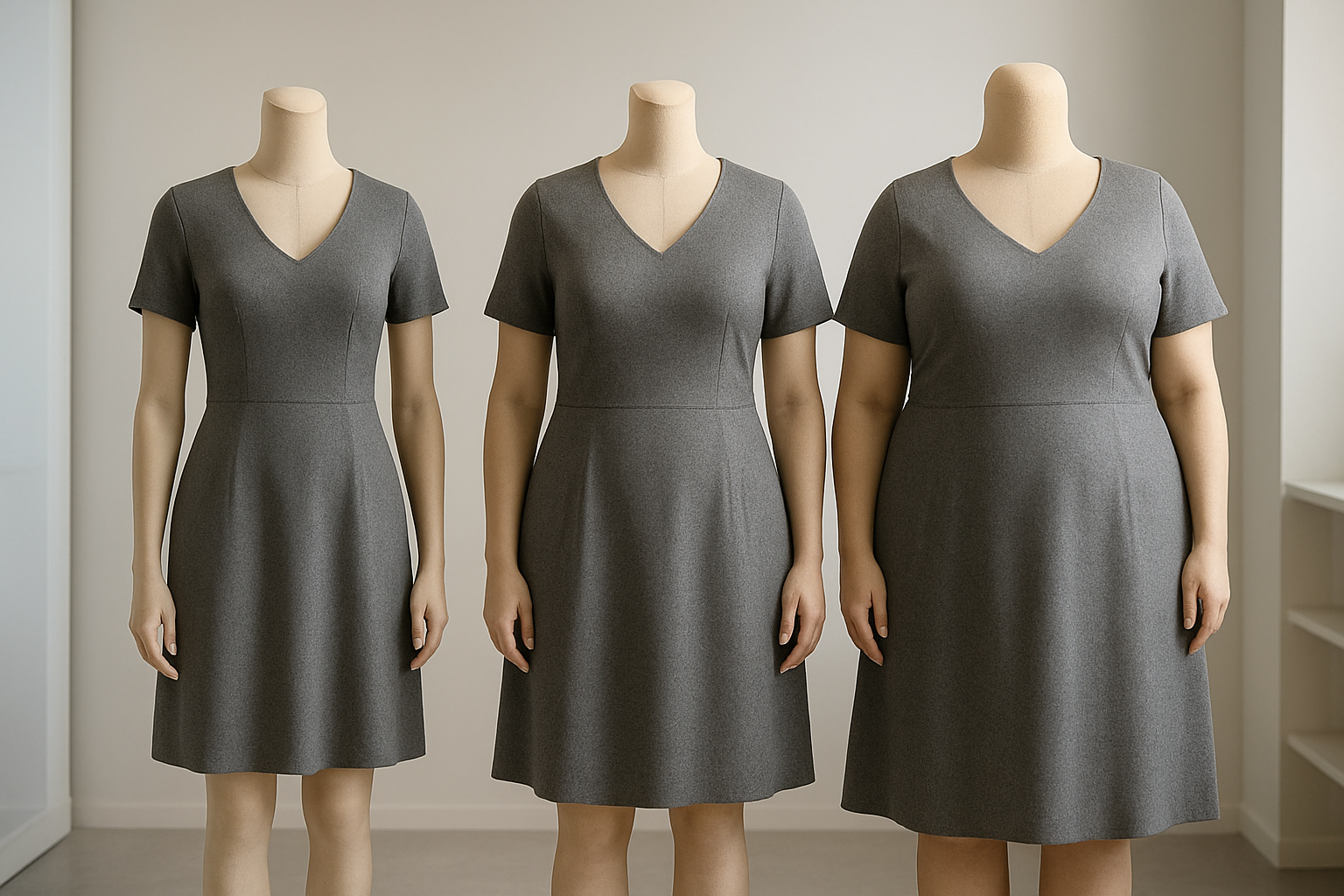
Average body measurements across USA, Europe, and Middle East
Body measurements vary significantly across these three major fashion markets, creating distinct challenges for global clothing brands. American consumers typically have broader shoulders and larger chest measurements compared to their European counterparts. Women in the USA average a bust measurement that’s 2-3 inches larger than the European average, while men show similar patterns in chest and shoulder width.
European body types generally feature more elongated torsos and narrower ribcages. This translates to clothing that emphasizes vertical lines and fitted silhouettes. Scandinavian countries push these averages even higher, with consumers often requiring longer inseams and sleeve lengths. Mediterranean regions show different patterns, with shorter average heights but fuller hip measurements.
Middle Eastern markets present unique measurement profiles influenced by genetic diversity across the region. Countries like Saudi Arabia and UAE show increasing average heights among younger generations, while maintaining traditional fuller silhouettes. Iranian and Turkish markets often require broader hip accommodations, particularly for women’s clothing.
| Region | Average Women’s Size | Average Men’s Size | Chest/Bust Variation |
|---|---|---|---|
| USA | 14-16 | Large/XL | +15% vs. Europe |
| Europe | 12-14 | Medium/Large | Baseline |
| Middle East | 12-16 | Large/XL | +10% vs. Europe |
Height and proportion differences affecting fit needs
Height variations create the most noticeable fit challenges across these markets. Americans and Northern Europeans share similar height ranges, but their proportional differences are striking. American consumers often have longer torsos relative to their leg length, affecting how tops and bottoms fit together.
European consumers, particularly in Northern countries, typically have longer limbs relative to their torso size. This creates demand for clothing with extended sleeve and inseam lengths. Dutch and Scandinavian markets represent extreme examples, with average male heights reaching 6’1″ and female heights averaging 5’7″.
Middle Eastern markets show the greatest height variation within regions. Gulf countries increasingly mirror Western height trends among younger demographics, while other areas maintain shorter average statures. This creates complex sizing needs where brands must accommodate both traditional body types and emerging generational changes.
The arm-to-torso ratio differs markedly between regions. European cuts typically feature longer sleeve lengths and narrower armholes. American sizing accommodates broader upper bodies with proportionally shorter arms. Middle Eastern preferences lean toward looser armhole construction regardless of height, supporting both comfort and modesty requirements.
Age demographics influencing size requirements
Generational differences reshape regional body types and sizing variations dramatically. Younger American consumers (ages 18-35) trend toward athletic builds with broader shoulders but smaller waists compared to older generations. This creates demand for fitted clothing with strategic stretch panels.
European millennials and Gen Z consumers maintain their region’s traditionally leaner builds but show increased muscle mass from fitness culture. This affects how structured clothing like blazers and fitted dresses perform across different age groups.
Middle Eastern youth markets present fascinating sizing evolution. Younger consumers often require different proportions than their parents’ generation, with increased height and changed body composition. Traditional loose-fitting preferences clash with global fashion trends, creating new hybrid sizing requirements.
Older demographics across all three regions generally require more forgiving fits and different proportional accommodations. American baby boomers need clothing that addresses weight distribution changes, while European seniors often require adjustments for height loss and posture changes. Middle Eastern older consumers maintain cultural preferences for modest fits while needing age-appropriate adjustments.
Shopping behaviors also shift with age, affecting how sizing variations impact purchase decisions. Younger consumers across all regions show more willingness to experiment with international sizing, while older demographics stick to familiar regional standards.
USA Market Fit Preferences and Shopping Behaviors

Relaxed and Casual Fit Trending Preferences
American shoppers have embraced the comfort revolution, driving demand for looser, more relaxed clothing fits across all age groups. The pandemic accelerated this shift toward comfortable clothing, with oversized hoodies, baggy jeans, and relaxed-fit t-shirts becoming wardrobe staples rather than weekend wear. This preference extends beyond loungewear into professional settings, where business casual has evolved to include more forgiving silhouettes.
The rise of “athleisure” has blurred the lines between activewear and everyday clothing, creating a market where clothing fit preferences lean heavily toward flexibility and movement. American consumers increasingly prioritize clothes that accommodate their active lifestyles while maintaining a put-together appearance. This trend has influenced sizing charts, with brands adding extra room in shoulders, waist, and hip measurements compared to traditional fits.
Generation Z and millennials particularly drive this casual fit movement, viewing tight-fitting clothes as outdated and uncomfortable. Social media influencers regularly showcase oversized blazers, wide-leg pants, and roomy sweaters, reinforcing the appeal of relaxed silhouettes in American fashion culture.
Athletic and Performance Wear Popularity
The athletic wear market has exploded across America, with performance fabrics and sporty cuts infiltrating every clothing category. Americans spend billions annually on activewear, with brands like Lululemon, Nike, and Athleta dominating shopping preferences. This popularity stems from the country’s active lifestyle culture and the desire for versatile clothing that transitions from gym to street.
Performance wear popularity varies significantly by region within the United States. West Coast consumers, particularly in California and Washington, show the highest demand for technical fabrics and moisture-wicking properties. Mountain states like Colorado and Utah prioritize outdoor gear functionality, while Southern states focus more on breathable, cooling fabrics suitable for humid climates.
The fit expectations for athletic wear differ markedly from traditional clothing. American consumers expect compression in strategic areas while demanding freedom of movement in others. This has led to innovative sizing approaches, with many brands offering “compression fits” alongside regular sizing options.
Plus-Size Market Demands and Expectations
America’s plus-size market represents a massive opportunity, with over 68% of American women wearing size 14 or above. These consumers demand more than just scaled-up versions of straight-size clothing. They expect thoughtful design that addresses body proportions, strategic fitting, and fashionable options that rival smaller-size offerings.
Plus-size shoppers in America have specific fit requirements that differ from international markets. They prefer longer torsos in tops, wider arm holes for comfort, and strategic waist placement that flatters rather than restricts. The demand for inclusive sizing has pushed brands to expand their offerings, with companies like Torrid, Lane Bryant, and mainstream retailers like Target leading the charge.
Regional variations within the plus-size market show interesting patterns. Southern states show higher demand for flowing, breathable fabrics, while Northern regions prefer layering pieces and structured outerwear. The Middle West favors practical, durable clothing that withstands varied weather conditions.
Regional Variations Within American States
Clothing fit preferences across American states reveal fascinating regional differences shaped by climate, lifestyle, and cultural influences. Texas and Arizona consumers prefer looser fits to combat heat, while Minnesota and North Dakota shoppers seek close-fitting base layers for warmth. These climate-driven preferences directly impact sizing expectations and fabric choices.
Urban versus rural preferences create additional complexity within states. New York City shoppers favor tailored, fitted pieces that work in compact living spaces and public transportation, while upstate New York consumers prefer more relaxed fits suitable for suburban lifestyles. California shows stark contrasts between Los Angeles’s fashion-forward fitted styles and Northern California’s tech-influenced casual wear.
| Region | Preferred Fit | Key Characteristics |
|---|---|---|
| Northeast | Tailored, structured | Professional appearance, layering capability |
| Southeast | Loose, breathable | Heat management, comfort priority |
| Midwest | Practical, durable | Weather versatility, value-focused |
| West Coast | Casual, flexible | Lifestyle-oriented, trend-conscious |
| Southwest | Relaxed, cooling | Climate-appropriate, cultural influences |
These regional variations force retailers to adapt their sizing strategies and inventory management to meet local preferences while maintaining brand consistency across the American market.
European Market Tailoring and Style Standards
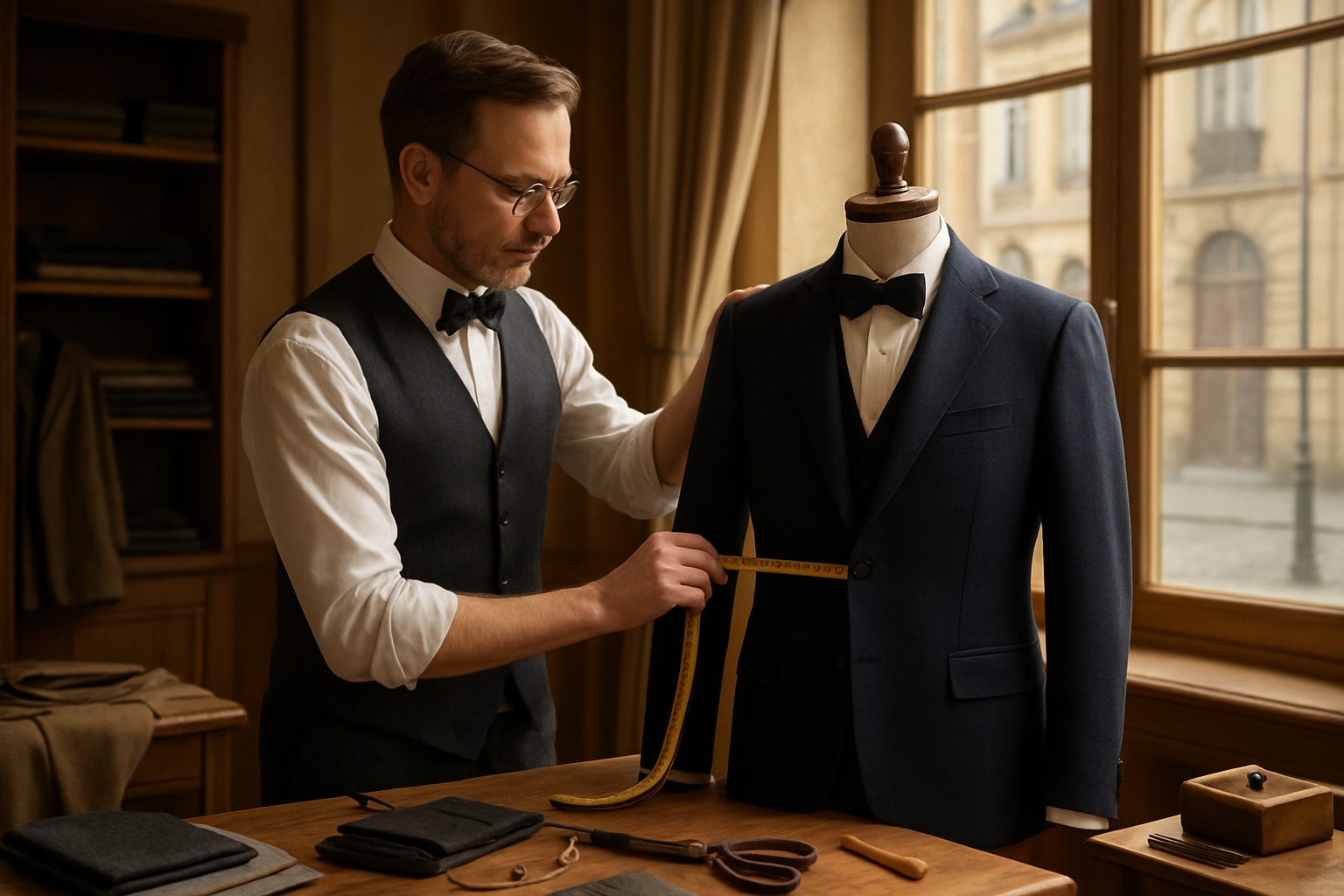
Tailored and Structured Fit Preferences
European consumers show a distinct preference for clothing that fits close to the body without being restrictive. This approach to clothing fit preferences by region reflects centuries of tailoring traditions that emphasize clean lines and precise construction. European shoppers typically gravitate toward garments that follow natural body contours while maintaining structure through quality construction rather than excessive fabric.
The preference for tailored fits extends beyond formal wear into casual clothing categories. European consumers often choose fitted t-shirts, well-cut jeans, and structured outerwear that maintains shape throughout the day. This contrasts sharply with looser American fits or the flowing silhouettes popular in Middle Eastern markets.
European sizing tends to run smaller than American equivalents, reflecting this preference for closer fits. What registers as a medium in the US often translates to a large in European sizing systems, creating challenges for international sizing variations that brands must navigate carefully.
Country-Specific Variations Across European Nations
Cultural differences in clothing fit become apparent when examining individual European markets. Italian consumers favor body-conscious silhouettes that celebrate the natural form, with an emphasis on fabrics that move with the wearer. This preference stems from Italy’s rich fashion heritage and climate considerations that make lighter, fitted garments practical.
German shoppers prioritize functionality alongside fit, often choosing clothing that accommodates active lifestyles while maintaining professional appearances. The German market shows strong demand for technical fabrics and innovative construction methods that provide comfort without sacrificing style.
| Country | Fit Preference | Key Characteristics |
|---|---|---|
| France | Classic tailoring | Timeless silhouettes, quality over trends |
| Italy | Body-conscious | Form-fitting, luxurious fabrics |
| Germany | Functional precision | Technical features, durability |
| Scandinavia | Minimalist comfort | Clean lines, sustainable materials |
| UK | Traditional with modern twist | Heritage styles with contemporary updates |
French consumers lean toward classic proportions that emphasize quality construction and timeless appeal. The French approach to fit balances sophistication with practicality, favoring pieces that transition seamlessly from day to evening wear.
Scandinavian countries demonstrate preferences for minimalist designs with comfortable fits that reflect their lifestyle priorities. These markets emphasize clean lines and sustainable production methods, influencing fit choices toward longevity over seasonal trends.
Luxury Fashion Influence on Everyday Clothing
Europe’s position as home to many luxury fashion houses significantly impacts mainstream fit preferences across the continent. High-end brands like Chanel, Hermès, and Bottega Veneta set standards that trickle down to mass market retailers, creating elevated expectations for construction quality and fit precision.
European consumers regularly encounter luxury fashion through window displays, fashion weeks, and cultural exposure, raising their standards for everyday clothing. This exposure creates demand for better-fitted garments even in affordable price segments, pushing retailers to invest in pattern development and sizing accuracy.
The influence extends to specific construction details that European shoppers notice and value. Proper shoulder placement, armhole comfort, and trouser break positioning become selling points that differentiate successful brands from competitors in European markets.
Sustainable Fashion Impact on Fit Choices
Environmental consciousness significantly shapes European clothing preferences, with sustainability considerations directly affecting fit choices. European consumers increasingly choose well-fitted, durable garments over trendy pieces with shorter lifespans, viewing proper fit as essential for clothing longevity.
The “buy less, buy better” mentality prevalent across European markets encourages investment in pieces that fit properly from the start, reducing the need for alterations or frequent replacements. This approach supports both environmental goals and economic efficiency, making quality fit a priority rather than an afterthought.
European brands respond by offering more precise sizing options, including expanded size ranges and fit variations within the same garment style. This commitment to better fit reduces returns and increases customer satisfaction while supporting sustainability goals through reduced waste.
Regional fashion consumer habits in Europe increasingly favor brands that combine excellent fit with transparent production practices, creating a market where technical excellence in sizing and environmental responsibility work together to drive purchasing decisions.
Middle Eastern Market Modesty and Comfort Requirements
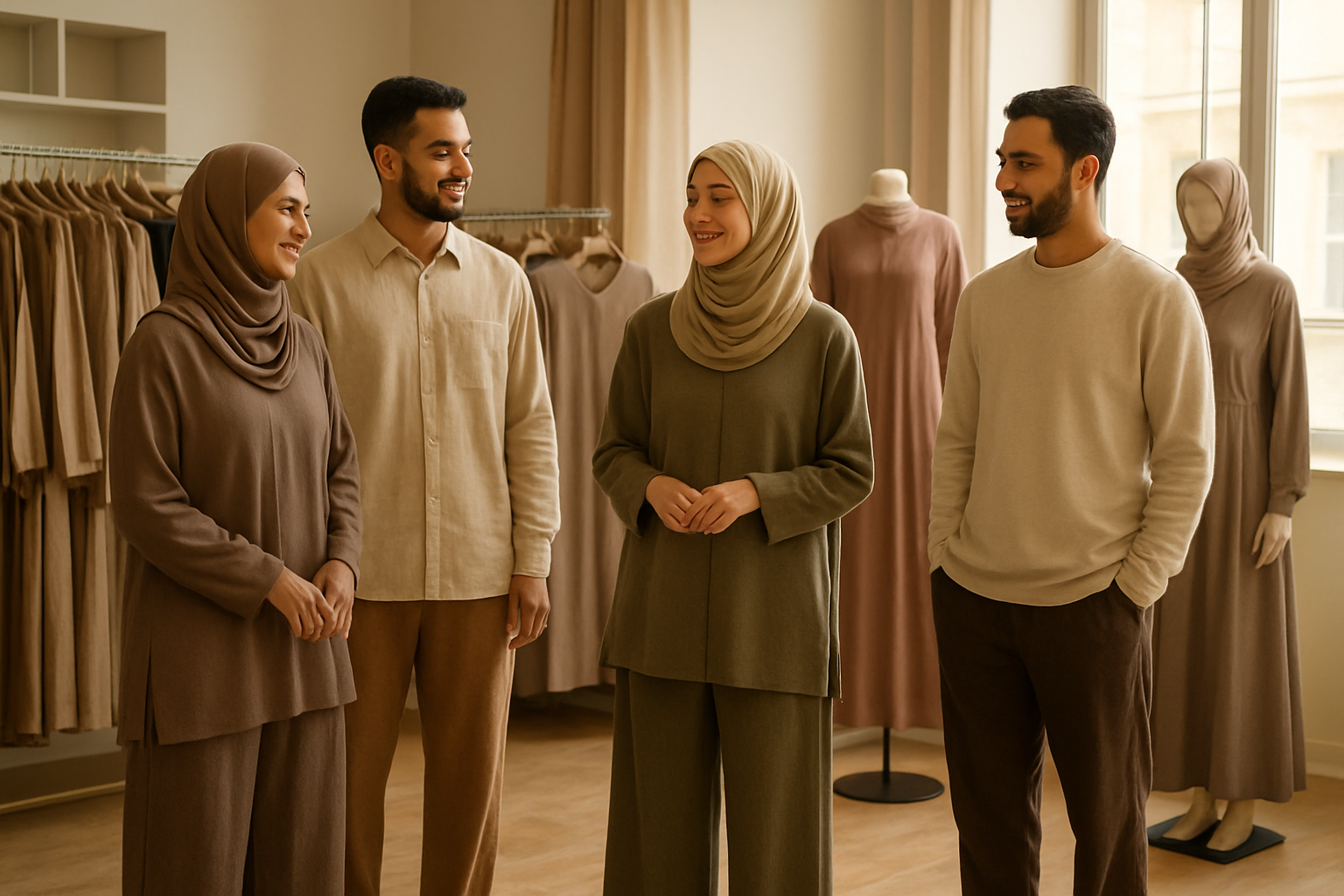
Loose-fitting garments for cultural compliance
Middle Eastern consumers prioritize clothing that aligns with cultural and religious values, making loose-fitting silhouettes the dominant preference across the region. Traditional garments like abayas, thobes, and kaftans set the standard for modest clothing, emphasizing coverage over form-fitting designs. This cultural foundation influences even Western-style clothing purchases, where consumers actively seek roomier cuts in blazers, trousers, and dresses.
Women’s fashion in particular focuses on garments that don’t outline the body shape, leading to high demand for A-line dresses, flowing blouses, and wide-leg pants. Men gravitate toward relaxed-fit shirts and loose trousers that provide comfort while maintaining cultural appropriateness. These clothing fit preferences by region reflect deep-rooted values that prioritize modesty over contemporary Western trends.
Climate-appropriate breathable fabric needs
Desert climates and high temperatures across much of the Middle East drive specific fabric and fit requirements that differ significantly from cooler regions. Loose-fitting garments serve a dual purpose – cultural compliance and practical temperature regulation through improved air circulation.
Natural fibers like cotton, linen, and silk dominate fabric preferences, often in lighter weights that allow breathability while maintaining opacity. The combination of loose cuts and breathable materials creates a cooling effect that makes traditional Middle Eastern garments perfectly suited to their environment.
Modern retailers catering to Middle Eastern markets have adapted by offering:
-
Moisture-wicking synthetic blends in traditional silhouettes
-
Lightweight cotton-poly mixes for everyday wear
-
Breathable jersey fabrics for activewear that maintains modesty
-
UV-protective fabrics for outdoor activities
Gender-specific fit considerations
Men’s and women’s clothing requirements vary significantly in Middle Eastern markets, with women’s fashion showing more diversity in interpretation of modest dressing across different countries and social contexts.
Women’s Clothing Requirements:
-
High necklines and long sleeves as standard options
-
Longer hemlines with many preferring ankle-length styles
-
Layering-friendly pieces for temperature and modesty control
-
Structured shoulders in blazers and jackets for professional wear
-
Maxi dresses and tunics as wardrobe staples
Men’s Clothing Standards:
-
Knee-length or longer shorts where culturally acceptable
-
Long-sleeved shirts for formal and business occasions
-
Loose-fitting traditional wear for religious and cultural events
-
Western-style clothing with relaxed fits for casual wear
Modern fusion of traditional and contemporary styles
The Middle Eastern fashion landscape shows increasing sophistication in blending cultural requirements with contemporary global trends. Young consumers especially seek modest fashion trends that incorporate current colors, patterns, and styling details while respecting traditional fit requirements.
Contemporary Middle Eastern fashion brands have emerged as leaders in this space, creating collections that feature:
| Traditional Elements | Modern Adaptations |
|---|---|
| Long sleeves | Statement sleeves, bell shapes, detailed cuffs |
| High necklines | Decorative collars, mock necks, layered looks |
| Loose silhouettes | Structured loose fits, architectural draping |
| Full coverage | Strategic cutouts at shoulders or sleeves only |
International brands entering Middle Eastern markets have learned to modify their core designs, offering longer hemlines, higher necklines, and fuller coverage options alongside their standard collections. This approach acknowledges regional fashion consumer habits while maintaining brand identity.
The rise of modest fashion as a global trend has given Middle Eastern consumers more options than ever before, with luxury brands now creating dedicated modest wear lines. This shift represents growing recognition of regional preferences in international clothing standards, making modest fashion a significant segment of the global fashion market preferences.
Social media influencers from the region have played a crucial role in showcasing how traditional modesty requirements can be stylishly interpreted, inspiring both local and international brands to innovate within these parameters.
Shopping Channel Preferences by Region

Online versus in-store fitting experiences
American shoppers have embraced online clothing purchases more than any other region, with over 75% comfortable buying garments without trying them on first. This comfort stems from generous return policies and the convenience culture that dominates USA shopping habits. American consumers typically rely heavily on size charts and customer reviews to make purchasing decisions, often ordering multiple sizes to find the perfect fit.
European buyers maintain a strong preference for in-store experiences, particularly in countries like Italy and France where tailoring traditions run deep. About 60% of European clothing purchases still happen in physical stores, where shoppers can feel fabric quality and assess precise fit. When Europeans do shop online, they expect detailed measurements, fabric composition information, and styling suggestions that mirror the expertise they’d receive from trained sales staff.
Middle Eastern consumers show the most cautious approach to online clothing purchases, with cultural preferences for modesty requiring careful consideration of garment coverage and drape. Only 40% of clothing purchases happen online in this region, as buyers prefer to examine how fabrics fall and move before committing to a purchase. The rise of virtual fitting rooms and augmented reality tools has begun changing this dynamic, especially among younger shoppers.
Return and exchange policy expectations
Regional differences in return expectations reflect deeper cultural attitudes about consumer rights and shopping behaviors. American consumers expect the most flexible return policies, with standard 30-90 day return windows and free return shipping becoming the norm. Major retailers like Amazon and Nordstrom have shaped these expectations with their no-questions-asked return policies.
| Region | Average Return Window | Free Returns Expected | Try-Before-Buy Services |
|---|---|---|---|
| USA | 30-90 days | 85% expect free returns | Growing rapidly |
| Europe | 14-30 days | 60% expect free returns | Limited adoption |
| Middle East | 7-14 days | 30% expect free returns | Rare |
European return policies vary significantly by country due to EU consumer protection laws, which mandate 14-day return periods for online purchases. However, many European retailers extend this to 30 days to remain competitive. Europeans generally accept paying for return shipping, viewing it as part of the cost of online shopping convenience.
Middle Eastern markets typically offer the shortest return windows and least flexible policies. Cultural emphasis on careful consideration before purchase means consumers expect to make more definitive buying decisions. However, this is changing as international brands enter these markets with global return standards.
Size guide accuracy requirements
Size guide expectations reveal stark differences in how each region approaches clothing fit preferences by region. American consumers demand comprehensive size charts that include not just bust, waist, and hip measurements, but also torso length, inseam details, and fit descriptions for different body types. The prevalence of size inconsistency across American brands has made detailed sizing information essential for online success.
European size guides reflect the region’s more standardized approach to clothing measurements. Shoppers expect precise metric measurements and clear indication of whether garments run small, large, or true to size according to European standards. Italian and German brands particularly excel at providing technical specifications that match their reputation for precision manufacturing.
Middle Eastern consumers require size guides that account for modest fashion preferences, including information about garment length, sleeve coverage, and overall looseness of fit. Size charts must indicate whether garments meet cultural modesty requirements while still providing accurate fit information. The challenge lies in balancing style preferences with cultural needs.
Cross-cultural fashion buying behavior shows that successful international brands adapt their sizing information to regional expectations. Companies selling globally often provide region-specific size guides, acknowledging that a size medium in the USA may not translate directly to European or Middle Eastern standards. This localization of sizing information has become crucial for reducing returns and improving customer satisfaction across different markets.
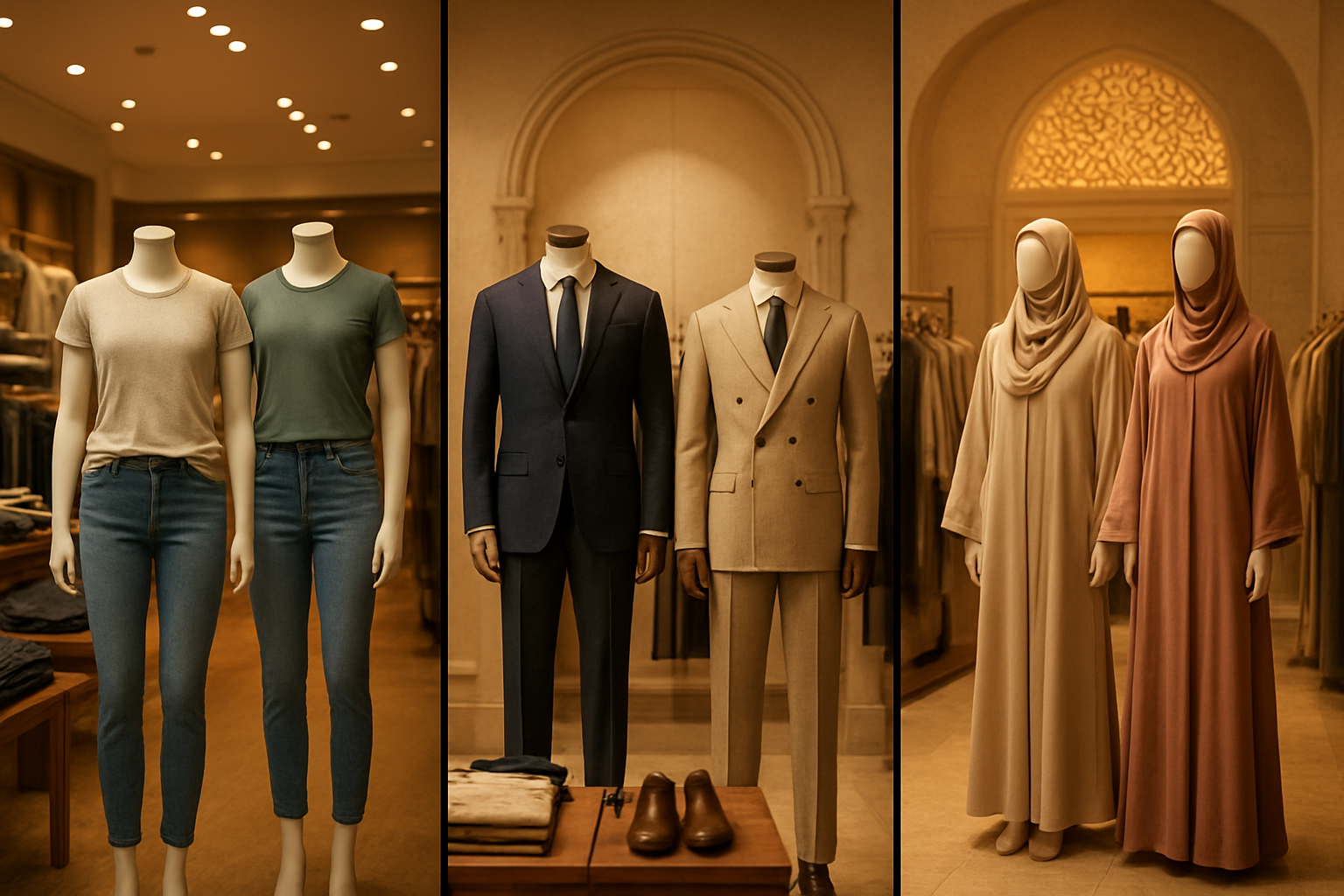
Different regions around the world have completely different ideas about what makes clothes fit well. American shoppers love relaxed, comfortable fits that work for active lifestyles, while Europeans prefer more tailored, structured pieces that show attention to detail. Middle Eastern buyers focus heavily on modest coverage and loose-fitting garments that respect cultural values. These preferences aren’t just random choices – they come from deep cultural roots, different body types across regions, and varying lifestyle needs.
Smart clothing brands need to understand these regional differences if they want to succeed globally. You can’t just make one style of jeans and expect them to sell equally well in New York, Paris, and Dubai. The key is adapting your sizing, cuts, and even your marketing approach to match what each region actually wants. Pay attention to local shopping habits too – some regions love online shopping while others still prefer trying things on in stores. When you respect these cultural differences and design accordingly, you’re not just selling clothes – you’re showing customers that you truly understand them.