

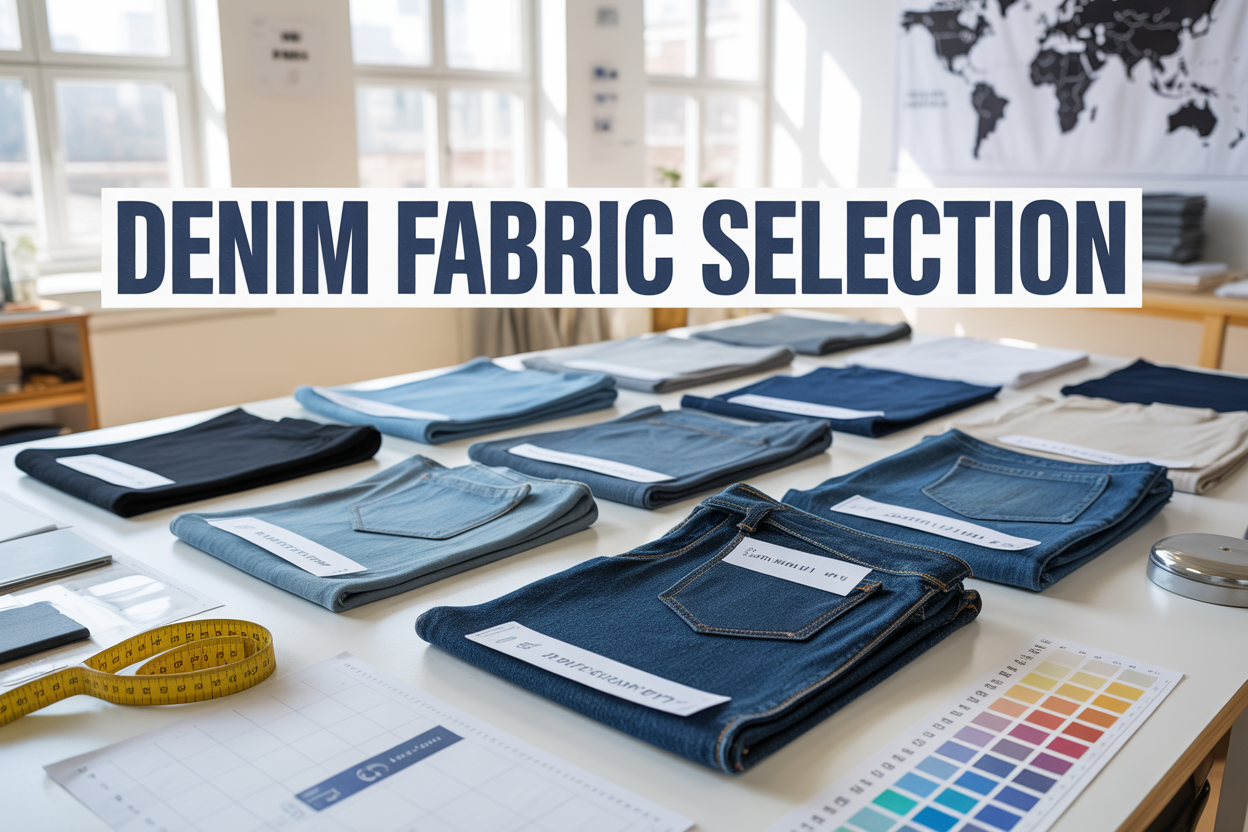
Choosing the Right Denim Weight, Stretch, and Wash for Global Markets
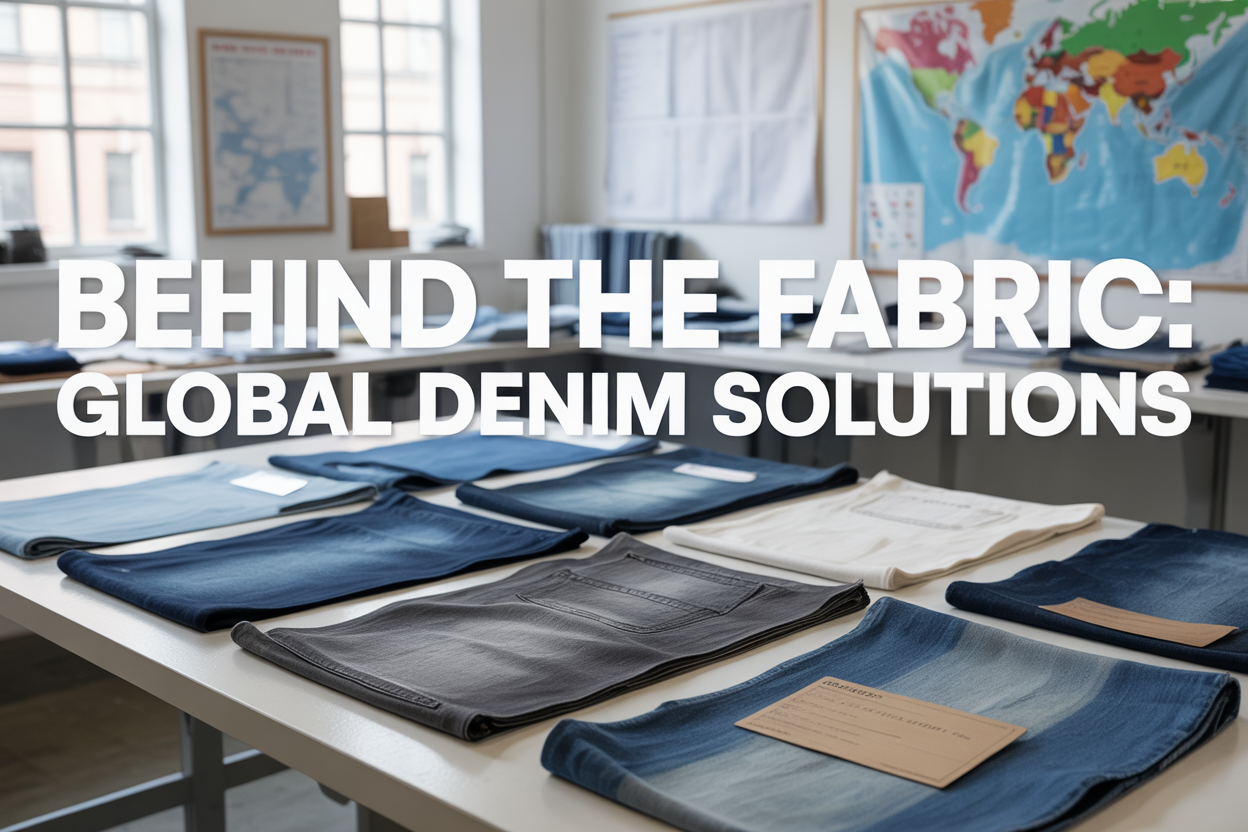
Getting the right denim weight, stretch, and wash isn’t just about making great jeans—it’s about making jeans that sell in specific markets around the world. The global denim markets have distinct preferences, and what works in Tokyo might flop in São Paulo.
This guide is for denim manufacturers, product developers, and brand managers who need to nail their fabric specifications for different regions. You’ll learn how small changes in denim production optimization can make or break your market entry strategy.
We’ll break down how denim weight classifications directly impact your market success, showing you which weights perform best in different climates and consumer segments. You’ll also discover how denim stretch technology affects consumer comfort denim expectations—and why some markets demand high-stretch while others stick to rigid denim.
Finally, we’ll explore how strategic wash selection can align with regional denim preferences, helping you choose finishes that resonate with local tastes while keeping production costs manageable.
Understanding Denim Weight Classifications for Market Success
Lightweight Denim Benefits for Warm Climate Markets
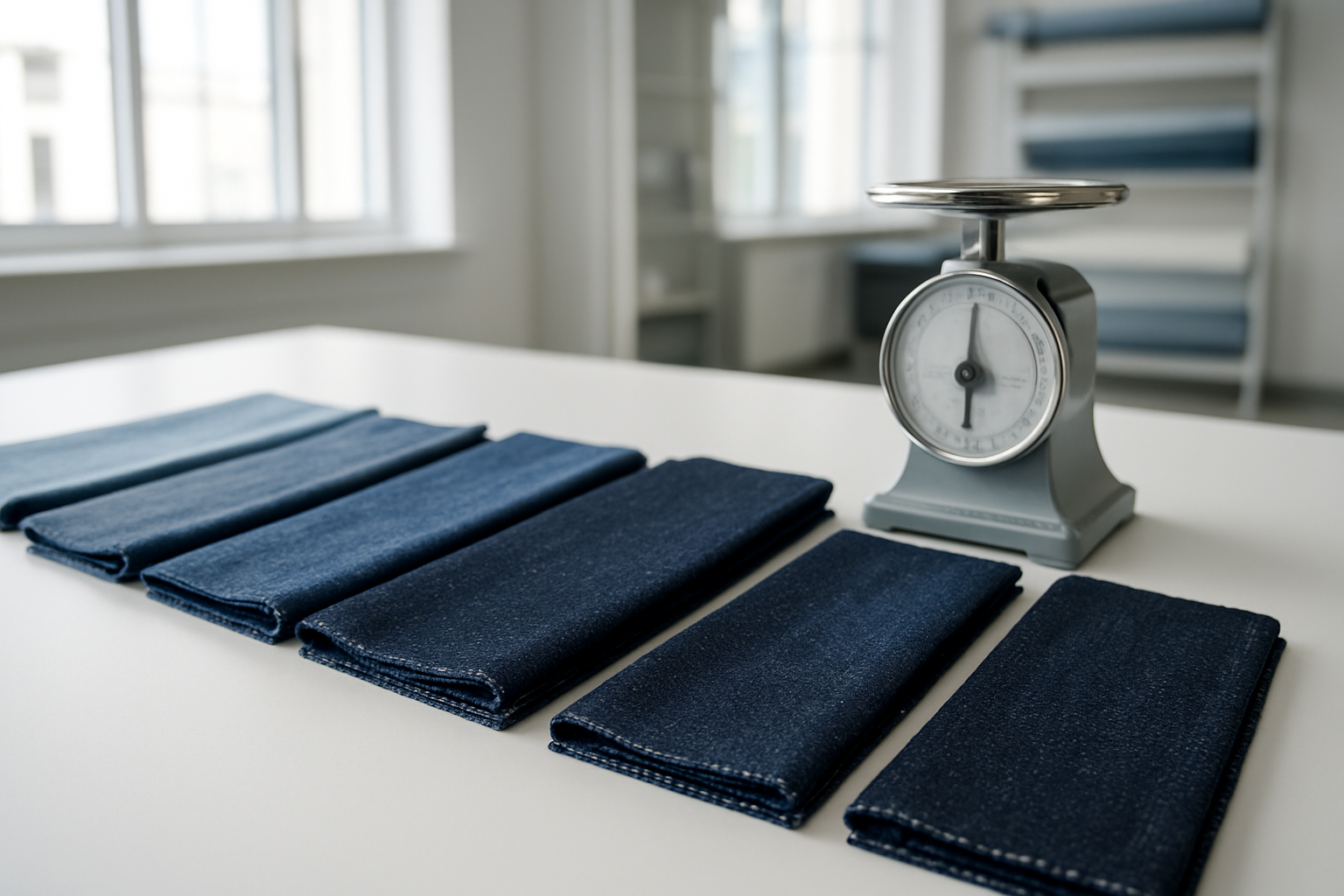
Lightweight denim typically ranges from 10-12 oz per square yard and has become a game-changer for brands targeting warm climate markets. These fabric specifications offer superior breathability and comfort, making them perfect for regions like Southeast Asia, Central America, and parts of Africa where temperatures stay consistently high.
The reduced denim weight means less thermal insulation, allowing better air circulation against the skin. This creates a more comfortable wearing experience during hot, humid conditions. Brands like Uniqlo and H&M have successfully captured market share in tropical regions by prioritizing lightweight options in their seasonal collections.
Manufacturing costs also decrease with lighter weights since less raw cotton is required per garment. This cost advantage can be passed to consumers or reinvested into other value-added features like stretch technology or premium washes. The reduced shipping weight also cuts logistics expenses for global denim markets.
However, durability concerns exist with ultra-light fabrics. Smart blend combinations using high-quality cotton with minimal elastane can maintain structure while keeping the weight down. Many successful brands balance this by positioning lightweight denim as fashion-forward rather than workwear, setting appropriate consumer expectations.
Medium Weight Versatility Across Seasonal Collections
Medium weight denim, ranging from 12-14 oz, represents the sweet spot for most global denim markets. This weight category offers remarkable versatility, performing well across different seasons and climate zones. Brands can build entire collections around medium weight fabric specifications without worrying about regional limitations.
The balanced structure provides enough substance for premium finishes while remaining comfortable for everyday wear. This makes medium weight ideal for core wardrobe pieces that consumers expect to last multiple seasons. The fabric weight supports various denim wash types, from light stone washes to heavy distressing, without compromising structural integrity.
From a production standpoint, medium weight denim offers predictable manufacturing outcomes. The fabric handles consistently through cutting, sewing, and finishing processes, reducing quality control issues. This reliability becomes crucial when scaling production across multiple facilities or contract manufacturers.
Consumer comfort denim often falls into this weight category because it strikes the right balance between durability and wearability. The fabric provides enough structure to maintain shape through multiple washes while offering sufficient flexibility for daily activities. This versatility makes medium weight the foundation for most successful global denim collections.
Heavyweight Durability Appeal in Premium Segments
Heavyweight denim, typically 14+ oz, commands premium positioning in most markets due to its exceptional durability and authentic feel. This denim weight category appeals to consumers seeking long-term value and heritage authenticity. Premium segments often associate heavier weights with superior quality and craftsmanship.
The dense weave structure allows heavyweight denim to develop unique wear patterns over time, creating personalized fading that resonates with denim enthusiasts. This aging characteristic becomes a selling point for premium brands positioning their products as investment pieces rather than fast fashion.
Manufacturing heavyweight denim requires specialized equipment and expertise, creating natural barriers to entry that protect premium market positioning. The additional processing time and skilled labor requirements justify higher retail prices. Brands like Raw Denim and heritage labels successfully command premium pricing by emphasizing the craftsmanship required for heavyweight construction.
Regional denim preferences vary significantly for heavyweight options. Western markets often embrace the workwear heritage appeal, while some Asian markets prefer the status symbol aspect of premium pricing. Understanding these cultural nuances helps brands position heavyweight options effectively within their global denim markets strategy.
Cost-Effective Weight Selection for Target Demographics
Strategic denim weight selection directly impacts both manufacturing costs and consumer appeal within specific demographics. Young consumers often prioritize comfort and trend-forward styling, making lightweight to medium weights ideal for fast fashion positioning. This demographic typically values affordability over extreme durability.
Professional consumers seeking versatile workwear often gravitate toward medium weight options that maintain professional appearance while offering comfort for long wear periods. This segment willingly pays moderate premiums for balanced performance characteristics.
Price-conscious consumers focus primarily on value, making cost-effective weight selection critical for competitive positioning. Brands can optimize fabric specifications to deliver acceptable quality at target price points by carefully balancing weight, stretch technology, and finishing processes.
Manufacturing efficiency improvements often come from standardizing around specific weight categories rather than offering extensive variety. Brands can achieve better economies of scale by focusing production on weights that serve their core target demographics effectively. This approach reduces inventory complexity while improving cost predictability across global denim markets.
Smart weight selection also considers regional labor costs and manufacturing capabilities. Some facilities excel with heavier weights while others optimize for lightweight production. Matching weight selection to facility strengths improves overall production optimization outcomes.
Mastering Denim Stretch Technologies for Consumer Comfort
Non-Stretch Traditional Appeal in Heritage Markets
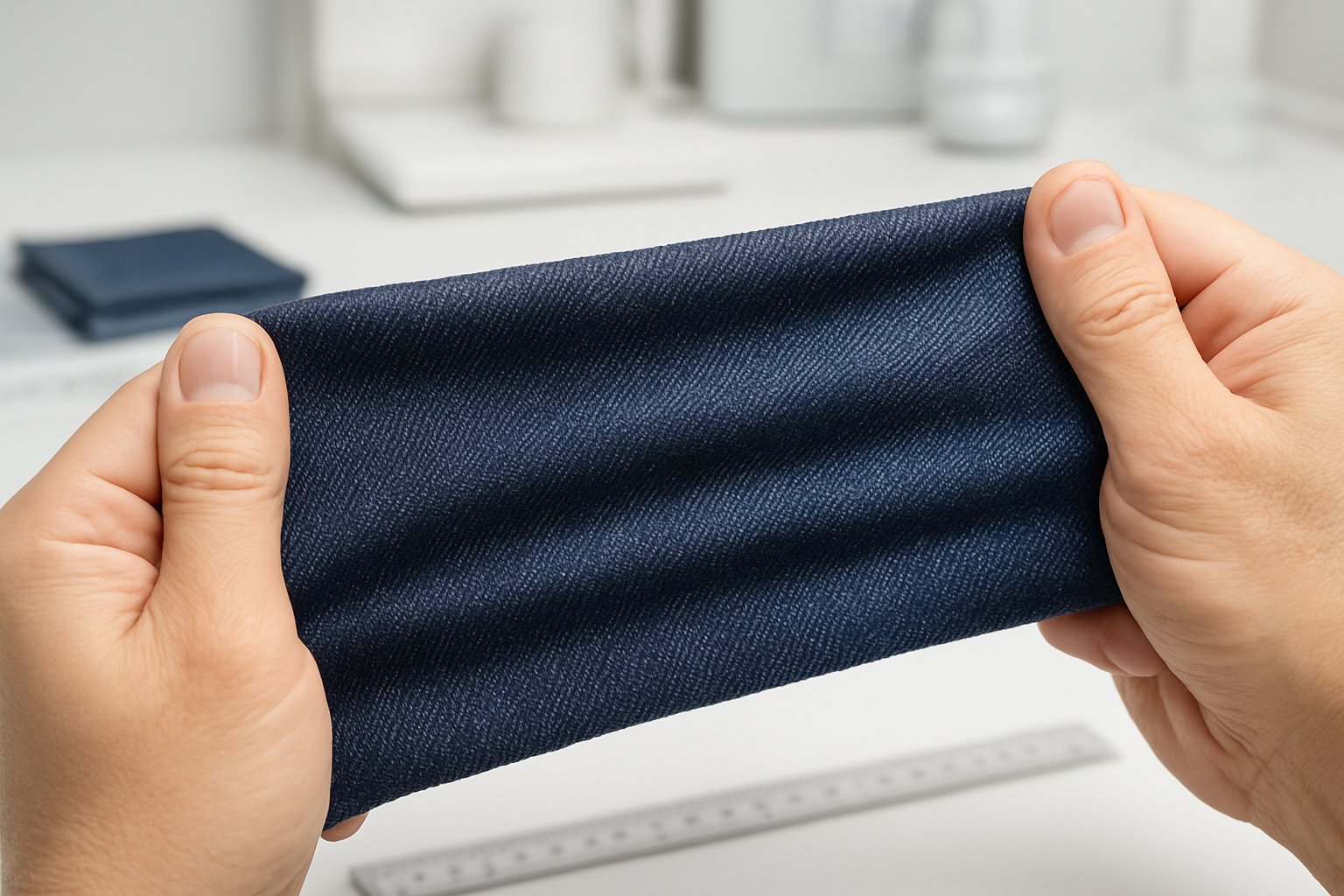
Classic 100% cotton denim holds its ground in heritage markets where authenticity matters most. American, Japanese, and European consumers who value traditional craftsmanship gravitate toward non-stretch denim fabrics for their raw, uncompromised feel. These markets appreciate the natural aging process that occurs with pure cotton – the way it molds to the body over time, creating unique wear patterns and character marks.
The appeal lies in the fabric’s structural integrity and long-term durability. Non-stretch denim maintains its original silhouette wash after wash, making it ideal for heritage brands positioning themselves as purveyors of authentic American workwear or Japanese selvedge craftsmanship. Denim weight typically ranges from 12-16 oz in these segments, providing substantial hand-feel that communicates quality and permanence.
Manufacturing considerations include longer break-in periods and initial stiffness that some consumers expect. These characteristics actually serve as selling points in premium segments where the “earned comfort” narrative resonates strongly. Brands successfully marketing non-stretch options emphasize the investment nature of these garments and their ability to develop personal character over years of wear.
Low Stretch Performance for Active Lifestyle Consumers
Low stretch denim containing 1-3% elastane strikes the perfect balance for consumers seeking mobility without sacrificing denim’s classic appearance. This stretch denim technology serves active lifestyle segments across global denim markets, particularly in North America and Northern Europe where outdoor activities drive purchasing decisions.
The elastane content provides essential recovery properties, allowing garments to return to their original shape after movement and stretching. This makes low-stretch options ideal for consumers who cycle to work, engage in weekend hiking, or simply prefer unrestricted movement throughout their day. The stretch technology maintains the authentic denim look while delivering functional performance benefits.
Key performance metrics include:
| Stretch Level | Elastane % | Recovery Rate | Target Market |
|---|---|---|---|
| Minimal | 1-2% | 95%+ | Heritage-conscious actives |
| Low | 2-3% | 90-95% | Mainstream active lifestyle |
| Performance | 3-4% | 85-90% | Sport-casual crossover |
Production optimization focuses on maintaining consistent stretch properties across different denim wash types. Low-stretch fabrics work exceptionally well with vintage and authentic wash treatments, preserving the traditional aesthetic while delivering modern comfort expectations.
High Stretch Innovation for Fashion-Forward Segments
High stretch denim featuring 4-12% elastane content dominates fashion-forward segments worldwide, particularly in urban markets where style flexibility and body-conscious fits drive consumer preferences. This stretch denim technology enables designers to create sculptural silhouettes previously impossible with traditional denim constructions.
Fashion capitals like Milan, Paris, and New York drive demand for extreme stretch formulations that behave more like athletic wear while maintaining denim’s visual language. These fabrics accommodate dramatic styling – from ultra-skinny fits to avant-garde architectural shapes that require significant stretch and recovery properties.
Advanced stretch technologies include:
-
Bi-directional stretch: Provides movement in both length and width directions
-
Memory fibers: Maintain shape retention after extreme stretching
-
Hybrid blends: Combine multiple stretch fibers for specific performance characteristics
Consumer comfort denim in high-stretch categories often incorporates moisture-wicking properties and temperature regulation features. These innovations particularly appeal to younger demographics who prioritize all-day comfort and versatility in their denim choices.
Regional preferences vary significantly – Asian markets favor extreme stretch for form-fitting styles, while European fashion consumers seek stretch that enables experimental silhouettes. Understanding these nuances helps optimize fabric specifications for specific market penetration strategies.
High-stretch denim production requires careful attention to fabric stability during washing and finishing processes, as excessive stretch can compromise the integrity of certain denim wash types.
Strategic Wash Selection for Regional Preferences
Raw Denim Positioning in Artisan-Focused Markets
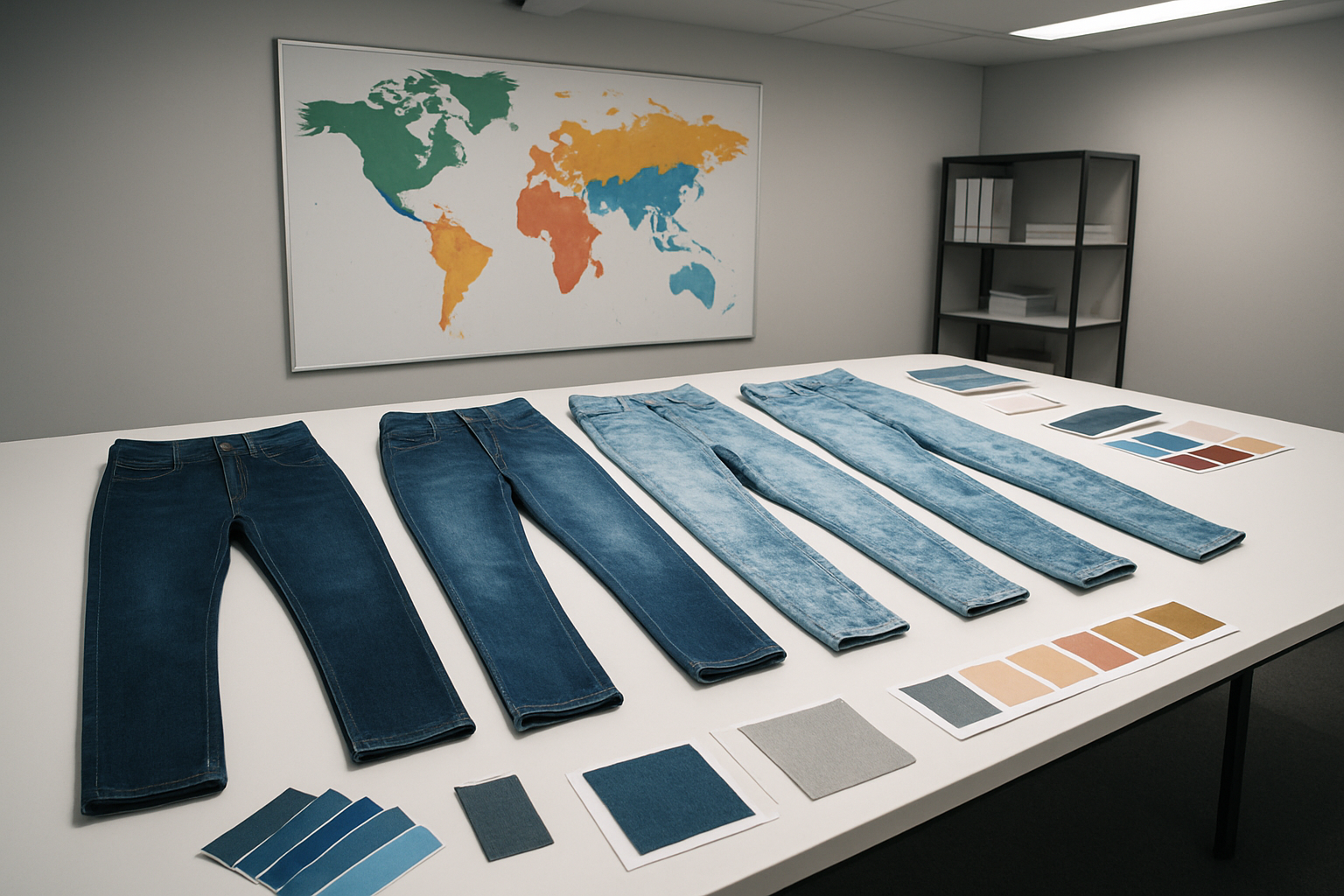
Raw denim wash types capture the attention of discerning consumers who value authenticity and craftsmanship. These untreated fabrics appeal primarily to artisan-focused markets where customers seek premium, long-lasting garments. The deep indigo color and stiff hand-feel create a canvas for personal wear patterns, making each piece unique over time.
Premium denim brands position raw denim as investment pieces, particularly in markets like Japan, parts of Europe, and specialty retail segments in North America. The lack of chemical processing resonates with environmentally conscious consumers while delivering the traditional denim experience that enthusiasts crave. Raw denim typically commands higher price points due to its positioning as a craft product.
Manufacturing considerations include careful fabric specifications to ensure proper shrinkage control and color consistency. The weight selection becomes crucial – heavier weights (14-21 oz) suit heritage collections, while lighter raw options (10-13 oz) work better for everyday wear.
Light Wash Appeal for Casual Contemporary Collections
Light wash denim dominates casual contemporary collections across global denim markets, offering versatility that spans seasons and styling occasions. This wash category includes stone-washed, bleached, and enzyme-treated options that create the relaxed aesthetic consumers associate with comfort and easy wearability.
Regional denim preferences show strong demand for light washes in warmer climates and summer collections worldwide. The softer appearance complements both fitted and relaxed silhouettes, making these washes essential for brands targeting broad consumer bases. Light washes pair effectively with denim stretch technology, creating comfortable options for active lifestyles.
Production teams achieve light washes through various techniques:
-
Stone washing for vintage texture
-
Enzyme treatments for smooth finishes
-
Bleaching processes for lighter tones
-
Combination treatments for complex effects
The manufacturing process requires careful monitoring to maintain color consistency across batches while preserving fabric integrity. Light washes work exceptionally well with mid-weight fabrics (10-12 oz) that balance structure with flexibility.
Medium Wash Versatility Across Age Demographics
Medium wash denim serves as the workhorse of most collections, delivering broad appeal that transcends age demographics and seasonal trends. This wash category strikes the perfect balance between casual and polished, making it suitable for various occasions from weekend activities to casual workplace environments.
Consumer comfort denim often features medium washes because they hide wear patterns while maintaining a fresh appearance longer than lighter alternatives. The moderate contrast between highlights and shadows creates visual interest without appearing overly distressed or too pristine.
Age group preferences reveal interesting patterns:
| Age Group | Medium Wash Preference | Key Features |
|---|---|---|
| 18-25 | Modern medium washes | Subtle contrast, clean finish |
| 26-40 | Classic medium tones | Balanced fading, versatile |
| 40+ | Traditional medium | Minimal distressing, refined |
Medium washes accommodate various denim weight options, from lightweight stretch fabrics (8-10 oz) for comfort-focused pieces to mid-weight constructions (12-14 oz) for structured garments. The washing process typically combines stone washing with enzyme treatments to achieve the desired color depth and texture.
Dark Wash Professional and Premium Market Applications
Dark wash positioning represents the sophisticated end of denim offerings, targeting professional environments and premium market segments. These deep indigo tones create polished appearances that work in business-casual settings while maintaining denim’s inherent comfort advantages.
Premium brands leverage dark washes to justify higher price points, emphasizing the refined aesthetic and versatility these pieces provide. The minimal contrast and clean finish appeal to mature consumers who want denim that transitions seamlessly from day to evening wear.
Manufacturing dark washes requires precise control over the washing process to maintain color depth while achieving the desired hand-feel. Key considerations include:
-
Minimal stone washing to preserve color
-
Careful enzyme application for softness
-
Resin treatments for crisp appearance
-
Quality control for consistent darkness
Dark washes complement heavier fabric specifications (12-16 oz) that provide structure and durability. The combination creates garments that feel substantial while looking refined enough for professional settings.
Distressed Wash Youth Market Penetration
Distressed wash techniques target youth market segments that value individuality and trend-forward styling. These heavily processed finishes create worn-in appearances that would take years to achieve naturally, appealing to younger consumers who want instant vintage aesthetics.
The distressing process involves multiple techniques to create authentic-looking wear patterns:
-
Sandblasting for localized fading
-
Hand sanding for custom effects
-
Chemical treatments for color variation
-
Physical distressing for texture
Youth market preferences drive constant innovation in distressed wash development. Brands must balance authentic vintage appearances with durability concerns, ensuring garments maintain structural integrity despite extensive processing.
Regional variations show different distressed wash preferences – European markets favor subtle distressing with artistic placement, while American markets accept more aggressive treatments. Asian markets typically prefer cleaner distressed looks with minimal actual wear-through.
Successful distressed washes pair with lighter fabric weights (8-12 oz) and incorporate stretch denim fabrics to enhance comfort and fit. The combination of processing and lightweight construction creates the relaxed, broken-in feel that youth consumers seek.
Regional Market Analysis for Denim Specifications

Asian Market Preferences for Fit and Finish
Asian consumers prioritize precision-fit denim that accommodates their typically slimmer silhouettes. The regional denim preferences lean heavily toward lightweight fabrics ranging from 10-12 oz denim weight classifications, which provide comfortable movement in humid climates while maintaining structure.
Japanese and Korean markets specifically demand premium fabric specifications with exceptional attention to detail. These regions appreciate subtle stretch denim fabrics incorporating 1-2% elastane for enhanced comfort without compromising the authentic denim aesthetic. Raw denim remains popular among fashion-forward consumers, while lighter washes with minimal distressing dominate mainstream markets.
Chinese consumers show growing interest in sustainable denim options, driving demand for eco-friendly production methods. The fit preferences vary significantly between urban centers like Shanghai and Beijing, where international cuts are preferred, versus smaller cities favoring traditional Asian sizing.
| Country | Preferred Weight | Stretch % | Popular Washes |
|---|---|---|---|
| Japan | 12-14 oz | 1-2% | Raw, Light Indigo |
| Korea | 10-12 oz | 2-3% | Medium Blue, Black |
| China | 11-13 oz | 1-3% | Dark Blue, Light Blue |
Manufacturing for Asian markets requires precise grading systems and quality control measures that meet their exacting standards for construction and finishing details.
European Quality Standards and Sustainability Demands
European global denim markets set the benchmark for environmental responsibility and ethical production standards. EU regulations mandate strict compliance with REACH chemical guidelines, making denim wash types a critical consideration for manufacturers targeting this region.
Scandinavian countries lead the sustainability charge, with consumers actively seeking GOTS-certified organic cotton denim and innovative denim stretch technology that reduces environmental impact. Water-conscious washing techniques and natural indigo alternatives gain significant traction across Germany, France, and the Netherlands.
Regional denim preferences in Europe favor mid-weight fabrics between 12-14 oz that balance durability with comfort. Italian consumers appreciate artisanal craftsmanship and are willing to pay premium prices for heritage production methods. British markets embrace versatile pieces that transition seamlessly from casual to smart-casual settings.
European brands increasingly demand transparency throughout the supply chain:
-
Fiber sourcing documentation
-
Water usage reports
-
Chemical treatment certifications
-
Carbon footprint assessments
-
Worker welfare compliance
Production optimization strategies must account for these stringent requirements while maintaining competitive pricing. Manufacturers successfully serving European markets invest heavily in sustainable technologies and often pursue certifications like OEKO-TEX and Cradle to Cradle.
North American Comfort and Durability Expectations
North American consumers prioritize consumer comfort denim that withstands frequent washing and daily wear. The market demands robust fabric specifications typically ranging from 12-16 oz denim weight to ensure longevity, especially for workwear applications.
Stretch denim fabrics incorporating 2-4% elastane have become standard across all demographics, reflecting the active lifestyles common throughout the United States and Canada. Power stretch technologies featuring polyester blends cater to athletic-minded consumers seeking maximum mobility.
The American market embraces diverse denim wash types from vintage-inspired treatments to contemporary clean finishes. Regional variations exist between coastal areas favoring lighter washes and inland regions preferring darker, more traditional looks. Canadian consumers often prefer slightly heavier weights due to climate considerations.
Denim stretch technology innovations particularly resonate with busy professionals seeking all-day comfort without sacrificing professional appearance. Recovery stretch formulations that maintain shape after extended wear address key consumer pain points.
Value perception remains crucial in North American markets:
-
Performance features like moisture-wicking properties
-
Fade resistance for color retention
-
Reinforced stress points for extended wear
-
Easy care properties for low-maintenance upkeep
Successful denim manufacturing guide strategies for North America focus on delivering maximum value through enhanced functionality while maintaining accessible price points across various market segments.
Production Optimization Through Smart Fabric Choices
Minimizing Waste with Strategic Weight Planning
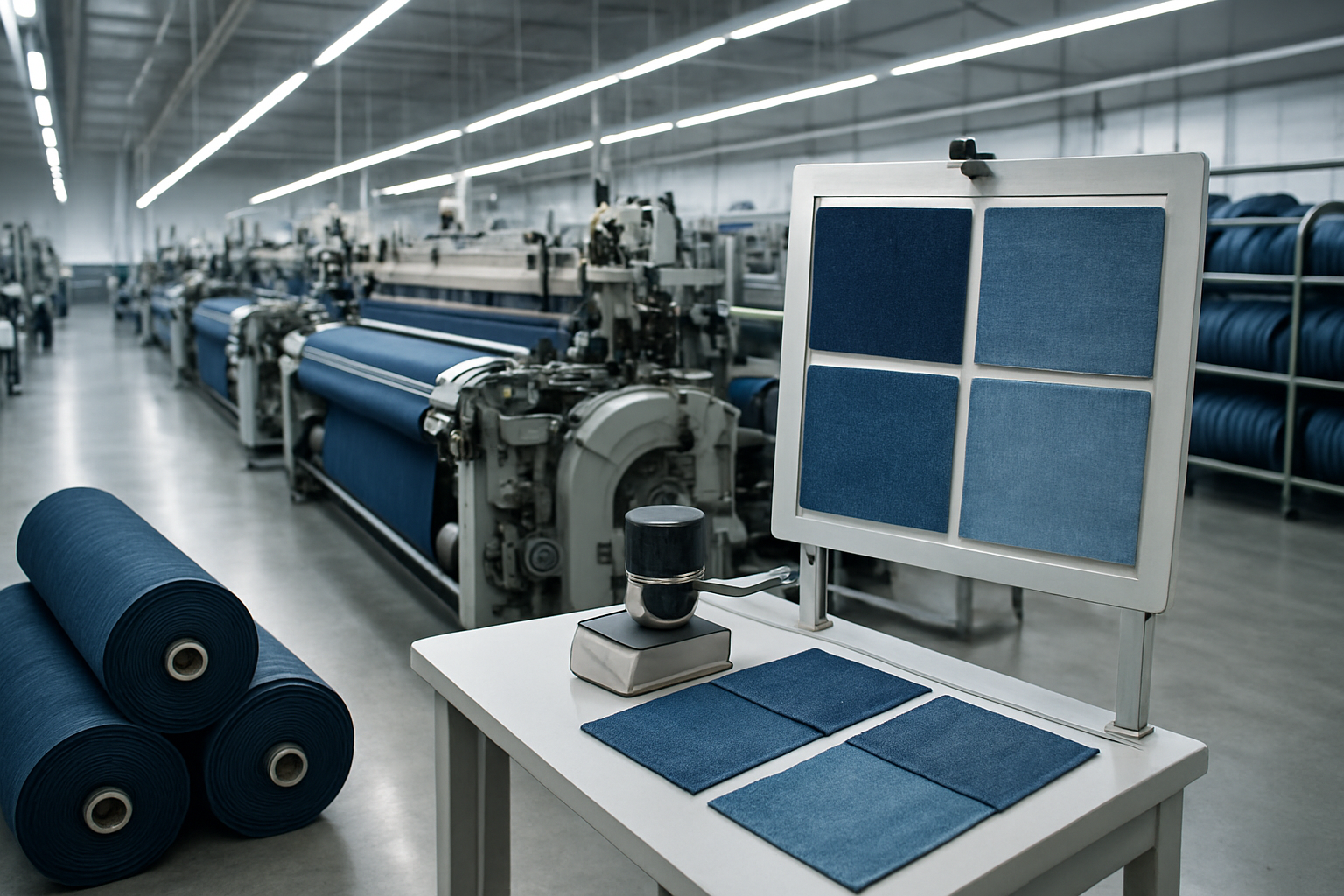
Smart denim weight selection can dramatically reduce material waste and production costs. When manufacturers carefully match denim weight to specific garment styles, they eliminate the need for excessive fabric sampling and reduce material overages. Lighter weights work perfectly for fitted styles where too much bulk creates fitting issues, while heavier weights shine in structured pieces like jackets and workwear.
The key lies in understanding your target market’s preferences before production begins. European consumers often prefer medium-weight denim (12-14 oz) for versatility, while Asian markets lean toward lighter weights (8-10 oz) for comfort in warmer climates. By mapping these preferences early, brands avoid costly overproduction of unsuitable weights.
| Weight Category | Optimal Applications | Waste Reduction Benefit |
|---|---|---|
| Light (6-10 oz) | Fitted jeans, summer styles | 15-20% less fabric waste |
| Medium (11-14 oz) | Standard jeans, versatile pieces | 10-15% reduction |
| Heavy (15+ oz) | Premium denim, workwear | 20-25% less sampling |
Production teams should create weight-specific cutting patterns that maximize fabric yield. Different denim weights require different pattern layouts, and optimizing these arrangements can save significant material across large production runs.
Streamlining Manufacturing with Consistent Stretch Properties
Consistent denim stretch technology across production batches eliminates manufacturing headaches and reduces quality control issues. When stretch properties vary even slightly, it creates fitting inconsistencies that lead to customer returns and brand reputation damage.
Establishing standardized stretch parameters for each product line creates predictable manufacturing outcomes. A 2% elastane content should deliver consistent 15-20% stretch across all batches, allowing production teams to use the same sewing tensions, pressing temperatures, and finishing processes without constant adjustments.
Manufacturing efficiency improves when operators know exactly how fabric will behave during construction. Stretch denim fabrics require specific handling techniques:
-
Sewing adjustments: Consistent stretch allows standard presser foot pressure settings
-
Pattern grading: Predictable stretch eliminates size-specific pattern modifications
-
Quality control: Standardized stretch targets reduce inspection time by 30%
-
Equipment setup: Consistent fabric behavior means fewer machine adjustments between batches
Training production staff becomes simpler when stretch properties remain constant. Workers develop muscle memory for handling specific stretch levels, reducing training time for new employees and minimizing production errors.
Reducing Sample Costs Through Targeted Wash Development
Strategic wash development planning can cut sample costs by up to 40% while delivering better market-specific products. Instead of creating dozens of wash variations hoping something sticks, successful brands research regional preferences first and develop targeted wash concepts.
Asian markets typically favor cleaner, more subtle washes, while European consumers embrace vintage-inspired treatments with more contrast. American markets show strong demand for both extremes depending on the season and trend cycle. This knowledge shapes wash development priorities from day one.
Effective wash development follows a pyramid approach:
-
Base washes (3-4 options): Core treatments that work across multiple markets
-
Regional variants (2-3 per market): Localized adaptations of base washes
-
Seasonal specials (1-2 annually): Trend-driven limited options
Digital wash prediction tools now allow designers to visualize wash effects before creating physical samples. This technology reduces sample production by 60% in the development phase, saving both time and material costs.
Batch testing wash formulas on small fabric pieces before full garment sampling prevents costly mistakes. A $50 fabric test can prevent a $500 garment sampling error, making this approach essential for budget-conscious brands targeting global denim markets.
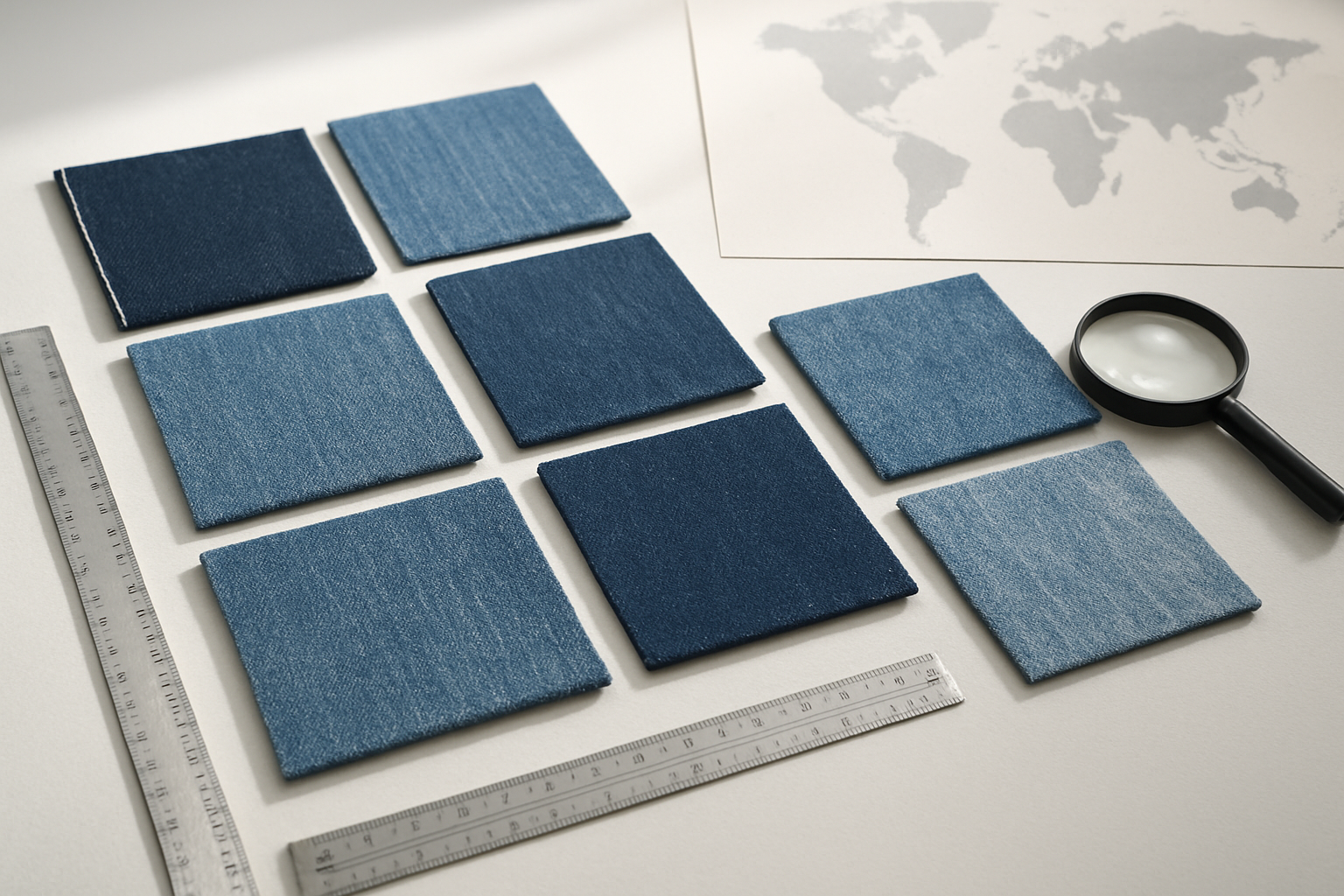
Getting your denim specifications right can make or break your success in global markets. The weight you choose affects everything from comfort to durability, while stretch technology determines how your jeans feel and move with the wearer. Understanding regional preferences for washes and finishes helps you create products that truly connect with local consumers, whether they prefer the clean, minimal looks popular in some markets or the heavily distressed styles that dominate others.
Smart fabric choices aren’t just about meeting consumer demands – they’re about building a sustainable, profitable business. When you match the right denim weight to your target market’s climate and lifestyle, incorporate stretch that enhances comfort without sacrificing quality, and select washes that align with regional tastes, you set yourself up for long-term success. Take time to research your specific markets, test different combinations, and remember that the perfect denim formula is one that balances consumer needs with production efficiency.