
Key Suppliers for Retailers Across Europe, America, and Asia
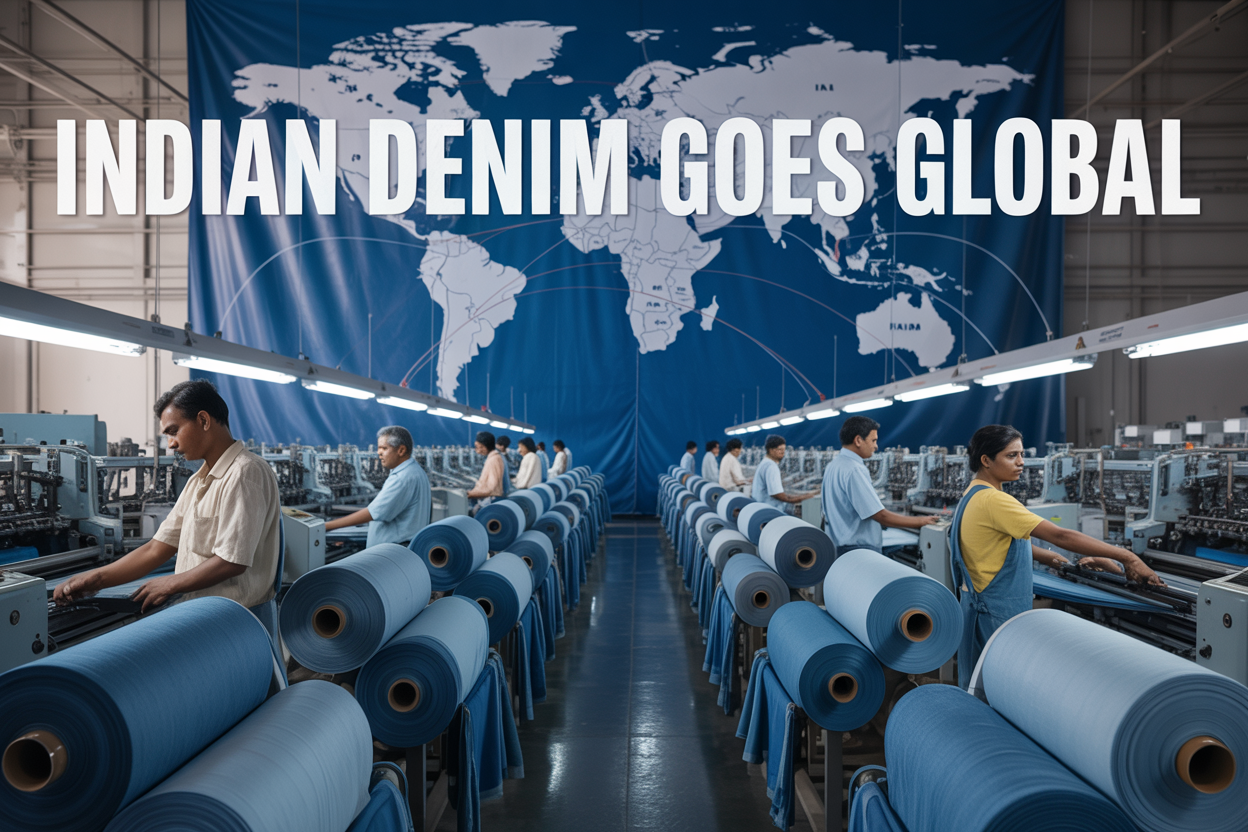
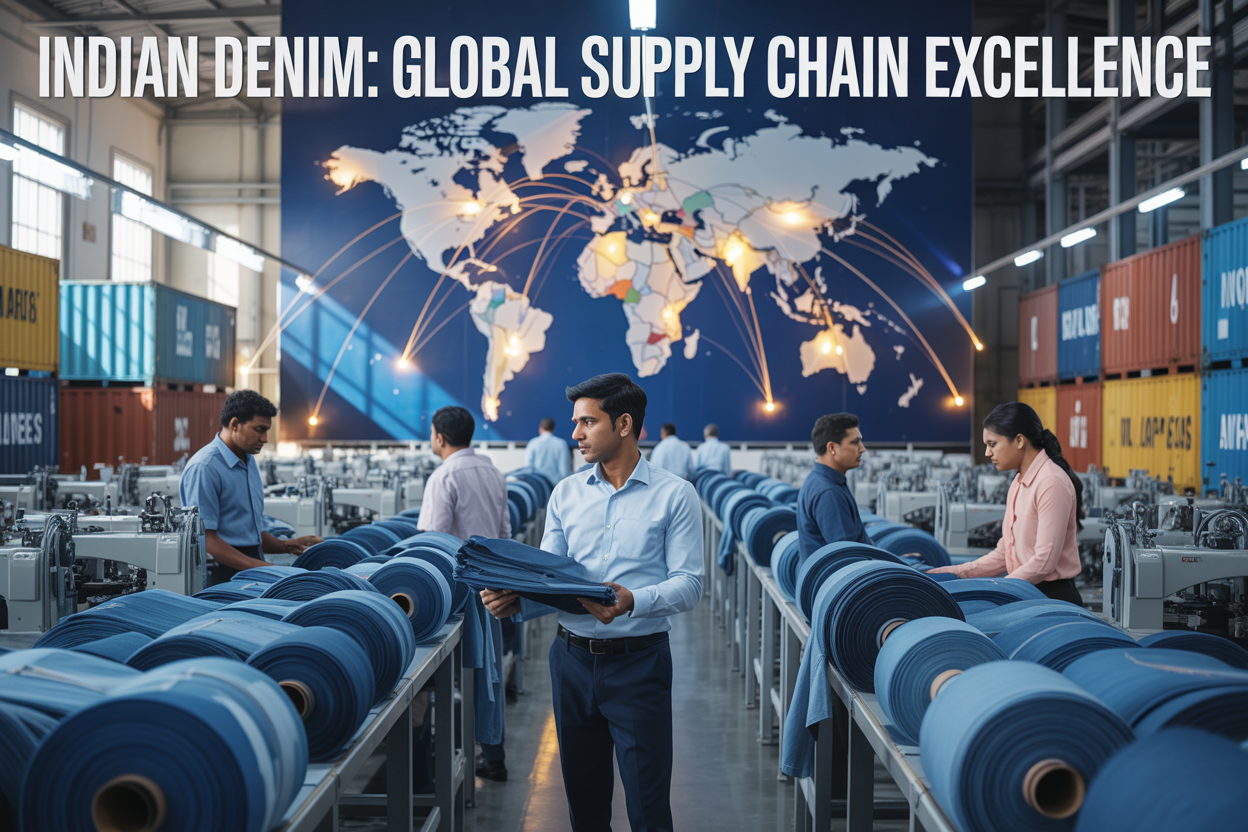
Indian denim manufacturers are quietly taking over the global fashion supply chain, becoming the go-to partners for major retailers from London to Los Angeles to Tokyo. What started as basic textile production has evolved into sophisticated denim manufacturing operations that rival established players in Turkey and China.
This article is for fashion industry professionals, retail buyers, and business leaders who need to understand how Indian denim brands international expansion is reshaping global sourcing strategies. Whether you’re a procurement manager looking for new suppliers or an industry analyst tracking textile market shifts, you’ll get insights into this growing trend.
We’ll explore how India’s strategic geographic advantages and competitive manufacturing costs are attracting global denim supply chain partnerships. You’ll also discover the technological innovations that Indian companies are using to compete with established denim suppliers Europe and America have relied on for decades. Finally, we’ll examine the market penetration strategies these manufacturers use to win contracts across different continents and build long-term relationships with international retailers.
Rise of Indian Denim Manufacturing Excellence
Quality Standards Meeting International Expectations
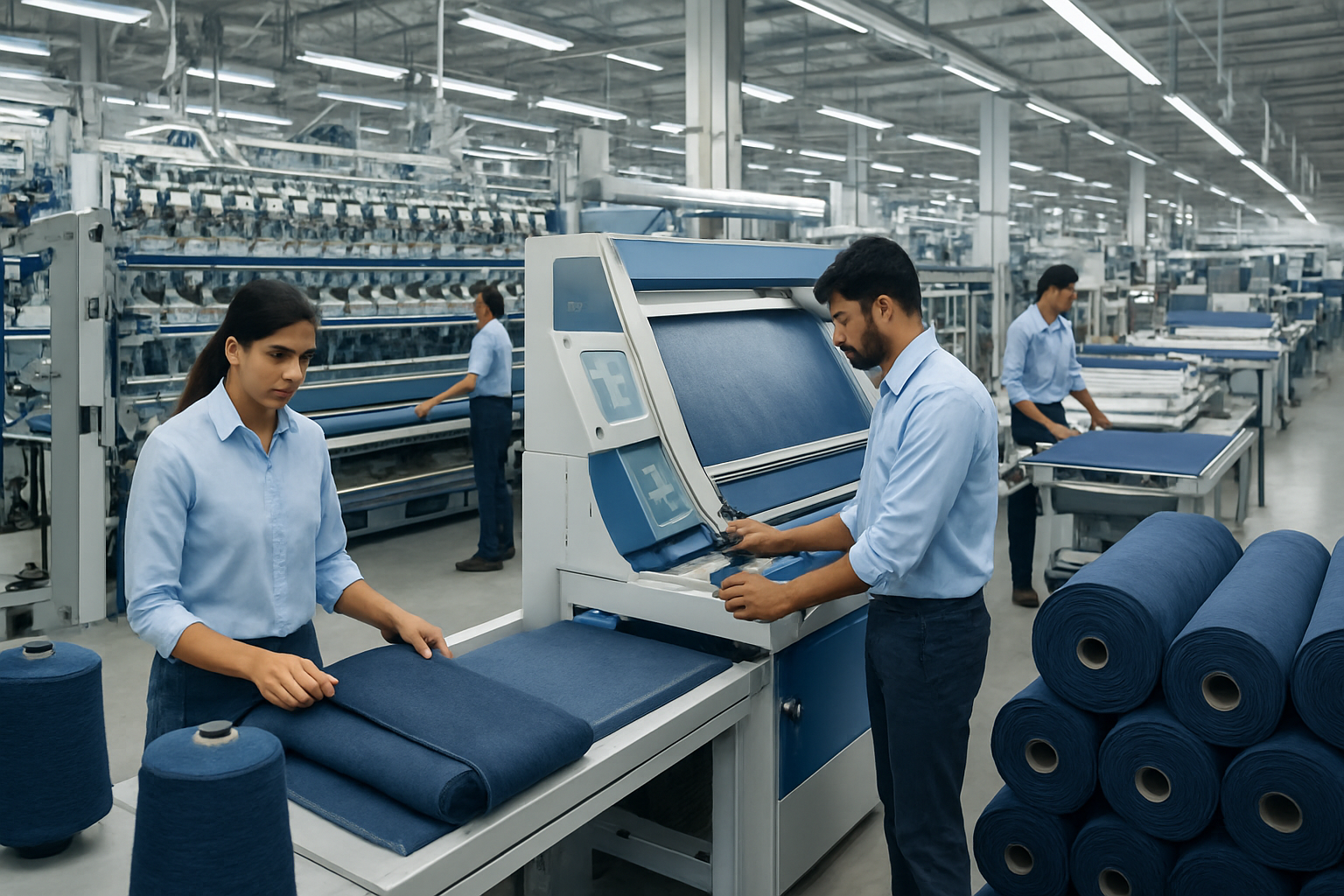
Indian denim manufacturers have transformed their production capabilities to match the rigorous quality standards demanded by European, American, and Asian retailers. The industry has invested heavily in upgrading machinery, implementing stringent quality control processes, and obtaining international certifications like OEKO-TEX and WRAP compliance.
Major Indian denim brands international operations now feature state-of-the-art testing laboratories that evaluate fabric strength, colorfastness, shrinkage, and chemical composition. These facilities ensure every batch meets specific buyer requirements, whether it’s the refined European market standards or the durability expectations of American consumers.
The shift toward premium quality has been remarkable. Indian manufacturers now produce denim with thread counts ranging from 12-20 oz, comparable to premium Japanese and Italian mills. This quality elevation has earned trust from global brands who previously sourced exclusively from traditional denim hubs.
Cost-Effective Production Capabilities
The competitive pricing advantage of Indian denim manufacturers stems from several factors beyond just lower labor costs. Vertical integration plays a crucial role, with many companies controlling the entire supply chain from cotton cultivation to finished garment production.
Raw material accessibility gives Indian producers a significant edge. The country produces nearly 23% of global cotton, reducing dependency on imports and keeping material costs stable. This translates to 15-25% cost savings compared to competitors in other regions.
| Cost Factor | Indian Advantage | Global Comparison |
|---|---|---|
| Labor Costs | 60-70% lower | Baseline |
| Raw Materials | 20-30% savings | Import dependent |
| Energy Costs | Competitive rates | Higher in developed markets |
| Logistics | Strategic location | Varies by region |
Production efficiency has improved dramatically through lean manufacturing principles and economies of scale. Large facilities can process 50,000-100,000 meters of denim daily, spreading fixed costs across higher volumes.
Sustainable Manufacturing Practices
Sustainable denim manufacturing India initiatives have become a key differentiator in winning international contracts. Environmental consciousness among global retailers has pushed Indian manufacturers to adopt cleaner production methods and circular economy principles.
Water conservation technologies like ozone washing, laser finishing, and foam dyeing have reduced water consumption by up to 60% in leading facilities. Advanced effluent treatment plants ensure zero liquid discharge, meeting European environmental standards that are often stricter than domestic requirements.
Renewable energy adoption is accelerating across the industry. Solar power installations now generate 30-40% of energy requirements for many denim manufacturing India facilities. Some companies have achieved carbon neutrality through renewable energy integration and carbon offset programs.
Organic and recycled content incorporation has grown significantly. Indian suppliers now offer denim made from organic cotton, recycled fibers, and innovative materials like hemp blends, catering to sustainability-conscious brands across global markets.
Advanced Technology Integration
Modern Indian denim facilities rival international competitors in technological sophistication. Computer-controlled dyeing systems ensure color consistency across large batches, while automated cutting systems reduce material waste and improve precision.
Digital printing capabilities allow for complex patterns and designs that were previously challenging to achieve. This technology enables quick turnaround for fashion-forward retailers who need rapid product development cycles.
Smart manufacturing systems track production in real-time, providing transparency that international buyers demand. RFID tracking, IoT sensors, and cloud-based monitoring systems give global partners visibility into order status, quality metrics, and delivery schedules.
The global denim supply chain benefits from these technological advances through improved communication, faster sampling, and reduced lead times. Virtual sampling technologies now allow international buyers to approve designs without physical samples, accelerating the product development process by weeks.
Strategic Geographic Advantages Driving Global Partnerships

Proximity to Raw Material Sources
India’s strategic location puts Indian denim manufacturers at a massive advantage when it comes to sourcing high-quality cotton. The country produces roughly 23% of the world’s cotton, with major growing regions like Gujarat, Maharashtra, and Punjab delivering consistent harvests year-round. This domestic cotton supply means Indian textile factories can secure raw materials without dealing with complex import procedures or volatile international shipping costs.
The proximity doesn’t just save money – it creates flexibility that international competitors can’t match. When a European retailer suddenly needs to adjust their denim order specifications, Indian suppliers can quickly source different cotton grades from nearby farms and mills. This agility has made Indian denim brands international players particularly attractive to fast-fashion retailers who need rapid turnaround times.
Cotton quality varies significantly across different regions, and Indian manufacturers have learned to blend cotton from various states to create specific fabric characteristics. Gujarati cotton brings strength, while Maharashtra cotton adds softness, giving Indian suppliers the ability to customize their global denim supply chain offerings based on client requirements.
Skilled Workforce and Labor Cost Benefits
India’s textile heritage spans centuries, creating a workforce that understands fabric construction at an intuitive level. Workers in denim hubs like Bangalore, Chennai, and Ahmedabad often come from families with generations of textile experience. This inherited knowledge, combined with modern training programs, produces craftspeople who can handle complex denim processing techniques that automated systems still struggle with.
Labor costs in India remain competitive compared to traditional manufacturing powerhouses. While wages have increased over the past decade, they’re still roughly 60-70% lower than comparable skilled workers in developed countries. This cost structure allows Indian textile exports to maintain competitive pricing while investing in quality improvements and sustainable practices.
Training programs established by major Indian denim companies have created specialized skill sets that directly address international market needs. Workers learn specific finishing techniques preferred by American consumers, European quality standards, and Asian market preferences. This targeted skill development has made Indian facilities preferred partners for brands looking to serve multiple global markets from a single production base.
Favorable Government Policies and Export Incentives
The Indian government has rolled out comprehensive support packages specifically designed to boost textile suppliers Asia America relationships. The Production Linked Incentive (PLI) scheme offers substantial financial benefits to textile manufacturers who meet export targets and quality benchmarks. Companies can receive incentives worth up to 15% of their incremental sales, making it profitable to invest in advanced denim production technologies.
Export promotion policies have streamlined documentation and reduced bureaucratic delays that previously slowed Indian apparel exports. The government’s focus on creating textile parks with ready-made infrastructure, power supply guarantees, and simplified regulatory approval processes has attracted both domestic and international investment in denim manufacturing India facilities.
Free Trade Agreements (FTAs) with key markets have reduced tariff barriers, making Indian denim more competitive in international markets. The recent agreements with UAE and ongoing negotiations with EU countries promise to further enhance market access for denim suppliers Europe relationships. Special Economic Zones (SEZ) provide additional tax benefits and operational flexibility, allowing companies to respond quickly to changing international demand patterns.
These policy advantages extend beyond just cost savings – they create a business environment where Indian manufacturers can plan long-term partnerships with international retailers, knowing that government support will remain consistent and predictable.
Market Penetration Strategies Across Different Continents

European Market Entry Through Quality Focus
Indian denim manufacturers have cracked the European market code by prioritizing premium quality over volume. European buyers, known for their stringent quality standards, initially viewed Indian suppliers with skepticism. That changed when brands like Arvind Mills and Raymond Denim began investing heavily in European-grade finishing techniques and sustainable production methods.
The breakthrough came through partnerships with mid-tier European brands seeking cost-effective alternatives to traditional suppliers. Denim suppliers Europe now regularly source from Indian facilities that meet OEKO-TEX and GOTS certifications. Key success factors include:
-
Advanced washing and finishing technologies matching European standards
-
Compliance with strict environmental regulations
-
Flexible minimum order quantities for smaller European brands
-
Quick turnaround times for seasonal collections
Indian suppliers adapted their product lines specifically for European preferences, focusing on premium selvedge denim and organic cotton blends. This quality-first approach helped establish long-term relationships with brands across Germany, Netherlands, and Scandinavia.
American Retail Partnerships and Brand Collaborations
The American market opened up differently for Indian denim brands international operations. Major retailers like Target, Walmart, and Kohl’s began partnering with Indian manufacturers during the early 2010s cost optimization drive. These partnerships went beyond simple supplier relationships, evolving into strategic collaborations.
Indian manufacturers like Siyaram’s and KG Denim have established dedicated production lines for American brands, customizing everything from fabric weight to pocket designs. The global denim supply chain shifted significantly when these partnerships proved successful:
| Retailer Type | Partnership Model | Key Benefits |
|---|---|---|
| Mass Market | Volume contracts | Cost savings 30-40% |
| Premium Brands | Co-development | Innovation sharing |
| Private Labels | Exclusive production | Design customization |
American brands appreciate the ability of Indian textile exports companies to scale production rapidly while maintaining consistent quality. The relationship extends beyond manufacturing – many Indian suppliers now participate in trend forecasting and design development for their American partners.
Asian Market Dominance Through Competitive Pricing
Denim manufacturing India companies dominate Asian markets primarily through aggressive pricing strategies without compromising quality. Countries like Bangladesh, Vietnam, and Indonesia have become major customers, often preferring Indian suppliers over Chinese alternatives due to better price points and cultural similarities.
The competitive advantage comes from:
-
Raw material cost benefits from local cotton production
-
Efficient labor costs compared to developed markets
-
Streamlined production processes reducing overhead
-
Government export incentives supporting price competitiveness
Textile suppliers Asia America operations have found their sweet spot in the mid-range segment, offering 20-30% cost savings compared to traditional suppliers while delivering comparable quality. This positioning allows Asian retailers to maintain healthy margins while offering competitive prices to end consumers.
Regional trade agreements like the South Asian Free Trade Area have further strengthened these relationships, making Indian apparel exports more attractive through reduced tariffs and simplified customs procedures.
Customization Capabilities for Regional Preferences
Sustainable denim manufacturing India facilities have developed sophisticated customization capabilities that set them apart from competitors. Each geographic region has distinct preferences, and Indian manufacturers have invested in flexible production systems to accommodate these variations.
For European markets, the focus is on sustainable processes and premium finishes. American customers prefer classic fits with innovative washing techniques. Asian markets lean toward trendy designs with affordable pricing. Indian manufacturers have developed dedicated teams for each region:
-
European Division: Eco-friendly processes, organic cotton, vintage finishes
-
American Division: Classic cuts, premium selvage, performance denim
-
Asian Division: Fashion-forward designs, stretch fabrics, value pricing
Denim production outsourcing has become more sophisticated with Indian suppliers offering complete design-to-delivery services. They maintain fabric libraries with thousands of options, employ regional trend analysts, and operate sample development centers in key markets.
The customization extends to packaging, labeling, and even shipping schedules tailored to each region’s retail calendar. This level of adaptation has made Indian suppliers indispensable partners rather than just manufacturing vendors, creating deeper, more profitable relationships across all three major markets.
Technological Innovations Enhancing Competitive Edge
Automated Production Lines Increasing Efficiency
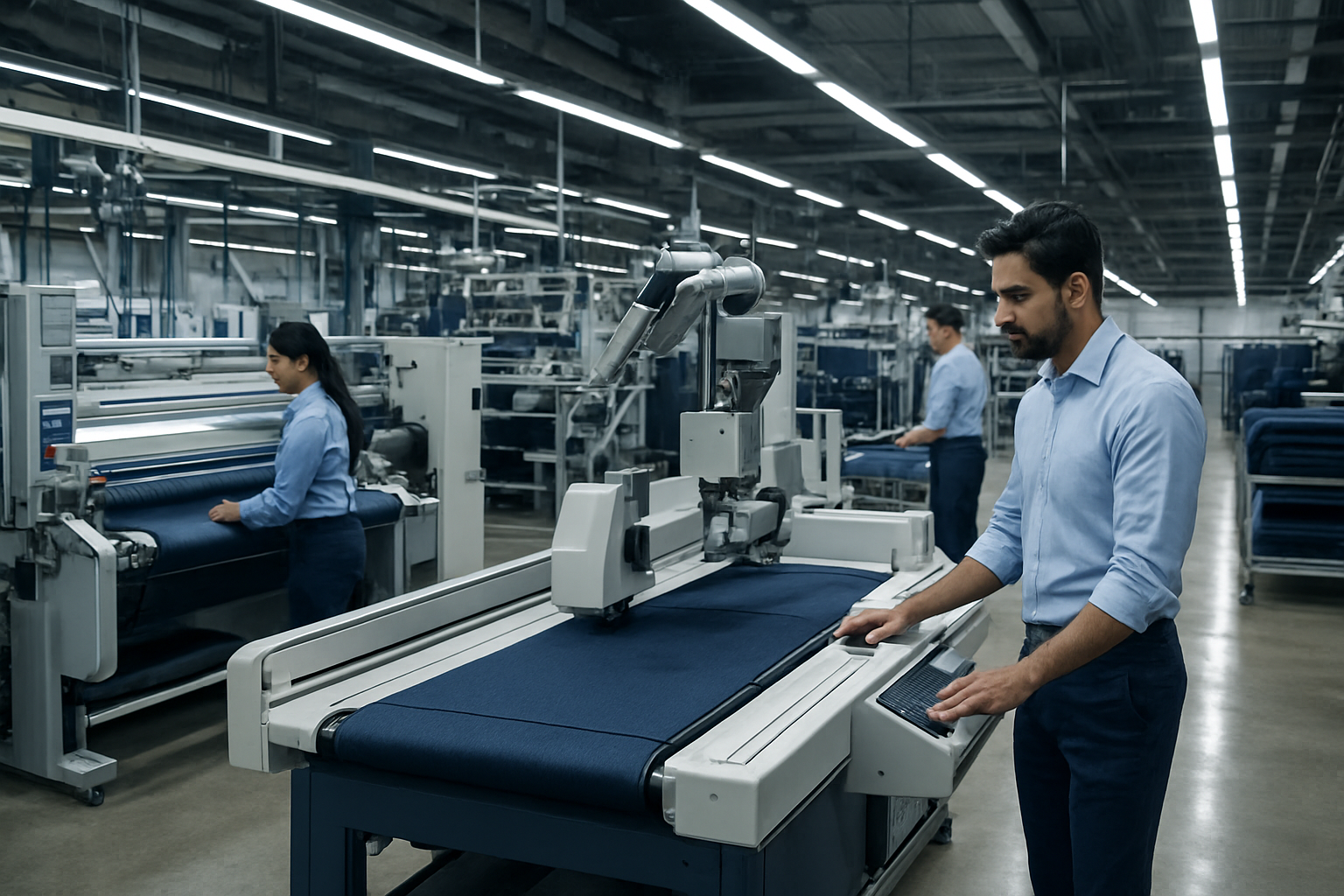
Indian denim manufacturers have revolutionized their operations by embracing cutting-edge automation technologies that dramatically boost productivity while maintaining exceptional quality standards. Modern facilities across Maharashtra, Tamil Nadu, and Karnataka now feature state-of-the-art robotic systems that handle everything from fabric cutting to stitching operations with remarkable precision.
These automated systems allow Indian denim manufacturers to process orders at speeds that were unimaginable just a decade ago. A single automated cutting line can now handle 500+ garments per hour, compared to manual operations that typically manage 50-80 pieces in the same timeframe. The consistency achieved through automation has become a major selling point for international buyers who demand uniform quality across large orders.
The integration of IoT sensors and real-time monitoring systems enables production managers to track every aspect of the manufacturing process, from thread tension to stitching patterns. This level of control has reduced defect rates by up to 40% and eliminated the quality variations that previously plagued large-scale production runs.
Smart scheduling algorithms optimize production workflows, automatically adjusting machine settings based on fabric types and order specifications. This flexibility allows manufacturers to switch between different styles and washes without significant downtime, making them incredibly attractive partners for global retailers who need quick turnaround times.
Eco-Friendly Dyeing and Finishing Techniques
Sustainable denim manufacturing India has taken center stage as environmental consciousness becomes a non-negotiable requirement for international partnerships. Leading Indian facilities have invested heavily in waterless dyeing technologies and closed-loop water systems that reduce water consumption by up to 90% compared to traditional methods.
Ozone washing technology has replaced many chemical-intensive processes, creating authentic vintage looks without harmful environmental impact. This innovation allows Indian suppliers to meet the stringent sustainability requirements of European and American retailers while maintaining the aesthetic qualities that consumers demand.
Advanced enzyme treatments now replace harsh chemical bleaching processes, creating softer fabrics with reduced environmental footprint. These bio-based solutions not only appeal to eco-conscious brands but also result in superior comfort and durability that end consumers appreciate.
The adoption of natural indigo dyeing processes, combined with modern application techniques, has given Indian manufacturers a unique competitive edge. This traditional expertise, enhanced by modern precision, creates premium denim products that command higher margins in international markets.
| Technology | Water Savings | Energy Reduction | Quality Improvement |
|---|---|---|---|
| Ozone Washing | 85% | 60% | Enhanced texture |
| Laser Finishing | 90% | 70% | Precise patterns |
| Foam Dyeing | 75% | 45% | Color consistency |
Digital Design and Prototyping Solutions
Revolutionary 3D design software and virtual sampling technologies have transformed how Indian denim brands international collaborate with global clients. Designers can now create photorealistic prototypes within hours instead of weeks, dramatically accelerating the product development cycle and reducing sample waste by over 80%.
Virtual fitting technologies allow international buyers to assess fit and style without physical samples, enabling faster decision-making and reducing shipping costs and time delays. This digital-first approach has become especially valuable for working with remote clients across different time zones.
AI-powered trend forecasting systems analyze global fashion data to predict upcoming styles and consumer preferences, helping Indian manufacturers stay ahead of market demands. These insights enable proactive production planning and inventory management that keeps international partners supplied with trending products.
Digital color matching systems ensure perfect consistency across production batches, addressing one of the biggest challenges in international supply relationships. This technology eliminates the color variations that can occur when scaling from samples to mass production, giving buyers confidence in order fulfillment.
Cloud-based collaboration platforms connect Indian design teams with international clients in real-time, facilitating instant feedback and modifications. This seamless communication has broken down geographical barriers and created truly integrated design partnerships that span continents.
Supply Chain Optimization and Logistics Excellence
Streamlined Order Processing Systems
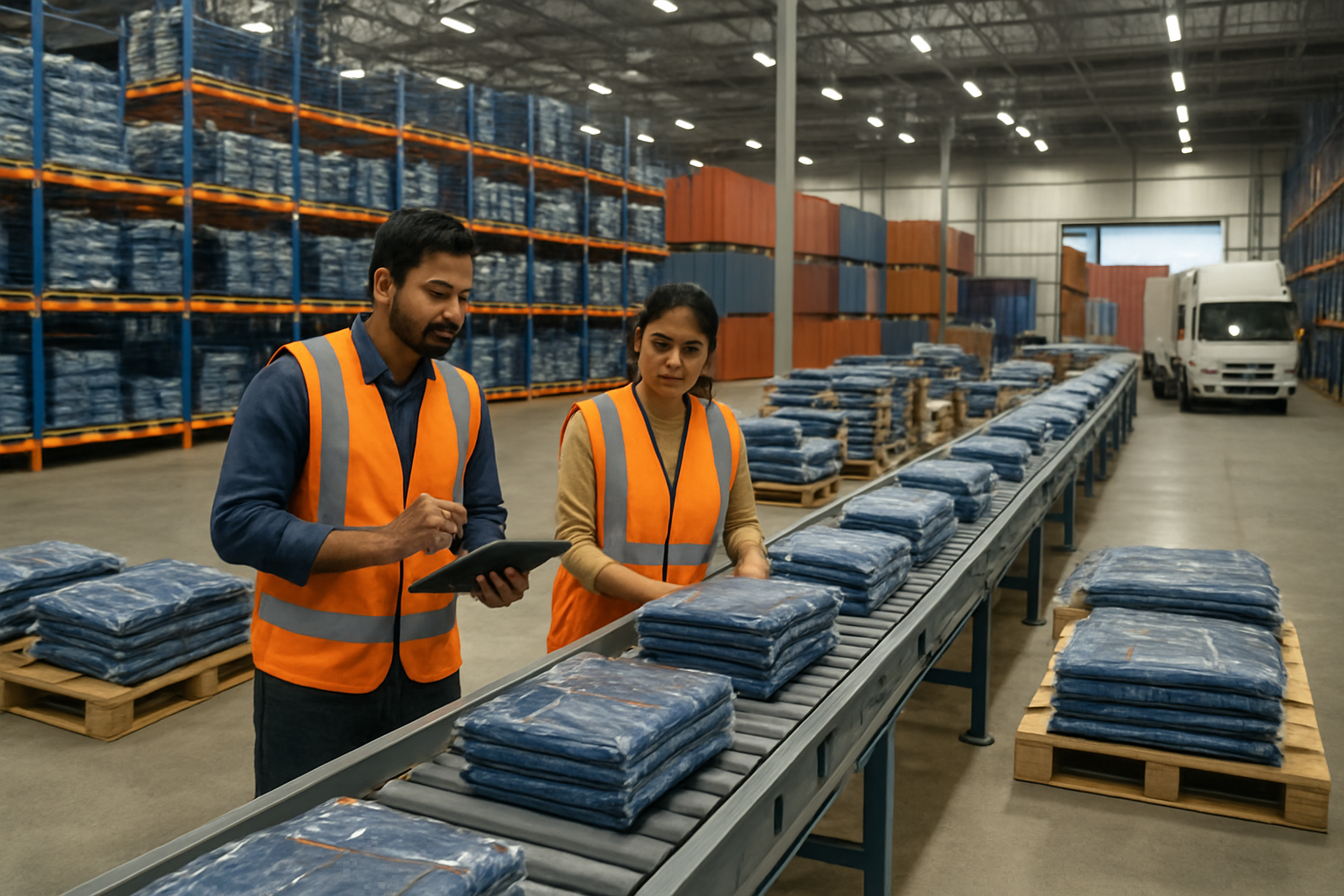
Indian denim manufacturers have revolutionized their order processing systems by implementing advanced ERP solutions and digital platforms that connect directly with global retailers. These systems enable real-time order tracking, automated inventory updates, and seamless communication between production facilities and international buyers. Companies like Arvind Limited and Siyaram’s have developed proprietary platforms that allow European and American retailers to place orders, modify specifications, and monitor production progress from anywhere in the world.
The integration of AI-powered demand forecasting helps Indian denim manufacturers predict order patterns and adjust production schedules accordingly. This proactive approach reduces lead times by 20-30% compared to traditional ordering methods. Many manufacturers now offer 24/7 customer portals where retailers can access order status, shipping documents, and quality reports instantly.
Digital sample approval processes have eliminated weeks from the traditional development cycle. Instead of shipping physical samples across continents, manufacturers use high-resolution imaging and virtual sampling technologies that allow buyers to approve designs and colorways remotely.
Faster Delivery Times Through Strategic Partnerships
Indian denim brands international expansion has been accelerated through strategic alliances with global logistics providers and shipping companies. Major manufacturers have established dedicated freight partnerships with companies like Maersk and MSC, securing priority booking slots and preferential rates for regular shipments to Europe, America, and Asia.
The development of consolidation hubs in key ports like Mumbai, Chennai, and Kolkata allows smaller orders from multiple retailers to be combined into full container loads, reducing per-unit shipping costs and improving delivery reliability. These hubs serve as staging areas where denim suppliers Europe can access faster shipping routes through the Suez Canal, cutting transit times to major European ports by 5-7 days.
Strategic partnerships extend beyond shipping to include customs clearance specialists and local distribution centers. Indian manufacturers have invested in bonded warehouse facilities in key markets, allowing them to pre-position inventory closer to end customers. This forward-deployment strategy has enabled some companies to offer delivery times as short as 2-3 weeks for standard orders to major retailers in North America and Europe.
Inventory Management Solutions for Global Retailers
Modern Indian denim manufacturers offer sophisticated inventory management solutions that go far beyond traditional supplier relationships. These companies provide vendor-managed inventory (VMI) programs where they monitor retailer stock levels in real-time and automatically trigger replenishment orders based on predetermined parameters.
Cloud-based inventory tracking systems give retailers complete visibility into their denim stock across multiple locations, while predictive analytics help optimize reorder points and quantities. This approach has proven particularly valuable for fast-fashion retailers who need to maintain lean inventory while avoiding stockouts.
Global denim supply chain optimization includes just-in-time delivery programs tailored to each retailer’s specific needs. Some manufacturers maintain safety stock in regional distribution centers, enabling rapid response to unexpected demand spikes. Others offer seasonal inventory programs where they produce and store merchandise during off-peak periods, then release it according to the retailer’s sales calendar.
Cross-docking facilities in major markets allow for rapid redistribution of inventory between retail locations without the need for centralized warehousing. This flexibility has become a key differentiator for Indian suppliers competing against manufacturers from other regions.
Quality Control Measures Ensuring Consistency
Sustainable denim manufacturing India practices are reinforced through rigorous quality control systems that maintain consistency across all production batches. Indian manufacturers have implemented Six Sigma methodologies and ISO 9001 quality management systems that include multiple inspection points throughout the production process.
Automated quality testing equipment performs consistent measurements for fabric weight, tensile strength, color fastness, and dimensional stability. These systems generate digital quality certificates that accompany each shipment, providing complete traceability from raw materials to finished goods.
Statistical process control methods track quality metrics in real-time, allowing immediate adjustments when parameters drift outside acceptable ranges. This proactive approach has reduced quality-related returns by more than 40% for many Indian suppliers working with international retailers.
Third-party quality audits from internationally recognized firms like SGS and Bureau Veritas provide additional validation of manufacturing processes and final products. Many Indian textile exports now include comprehensive quality documentation that exceeds the requirements of destination markets, building trust with global retail partners and reducing the need for incoming inspections.
Future Growth Opportunities and Market Expansion

Emerging Markets Potential in Africa and Latin America
African and Latin American markets present massive untapped potential for Indian denim manufacturers looking to diversify their global footprint. Countries like Nigeria, Kenya, and South Africa are experiencing rapid urbanization and growing middle-class populations with increasing disposable income. The demand for quality denim in these regions has grown by 35% annually over the past three years, creating perfect entry points for Indian brands.
Brazil, Mexico, and Colombia represent particularly attractive opportunities in Latin America. Brazilian consumers alone purchase over 200 million denim pieces annually, while Mexico’s proximity to the US market offers dual benefits of local consumption and potential re-export opportunities. Indian textile exports to these regions currently account for less than 8% of total denim shipments, indicating significant room for expansion.
The competitive landscape in these emerging markets remains relatively open compared to saturated European and American markets. Local denim production capabilities are limited, and consumers increasingly prefer international brands over domestic alternatives. This creates an ideal scenario for Indian suppliers to establish strong market positions before global competitors intensify their focus on these regions.
Distribution partnerships with local retailers and e-commerce platforms provide the fastest route to market entry. Several Indian denim brands have already begun pilot programs in Lagos, São Paulo, and Mexico City, reporting positive consumer response rates exceeding 70%.
Premium Segment Positioning Strategies
Moving beyond traditional volume-based business models, Indian denim brands international are strategically positioning themselves in premium market segments. This shift requires significant investment in design capabilities, fabric innovation, and brand building, but offers substantially higher profit margins and stronger customer loyalty.
Premium positioning starts with developing signature washes, unique fits, and exclusive fabric blends that differentiate Indian products from mass-market alternatives. Leading Indian manufacturers now employ European-trained designers and invest heavily in Italian dyeing technologies to achieve premium aesthetics. Raw material sourcing has evolved to include organic cotton, Tencel blends, and innovative stretch fabrics that command 40-60% higher prices than standard denim.
Brand storytelling plays a crucial role in premium positioning. Indian manufacturers highlight their heritage in textiles, craftsmanship traditions, and commitment to ethical production practices. This narrative resonates particularly well with conscious consumers in developed markets who value authenticity and sustainability.
Selective distribution through high-end department stores, boutique retailers, and direct-to-consumer channels helps maintain premium brand perception. Several Indian brands have successfully partnered with luxury fashion weeks in Milan, Paris, and New York to showcase their premium capabilities and attract international buyers.
Private label partnerships with established premium brands offer another avenue for market entry. These collaborations allow Indian manufacturers to demonstrate their capabilities while building relationships that often evolve into co-branded ventures or licensing agreements.
Circular Economy Integration for Sustainability Leadership
Sustainable denim manufacturing India initiatives are transforming from compliance requirements into competitive advantages that drive new business opportunities. Circular economy principles enable Indian manufacturers to create closed-loop production systems that minimize waste while generating additional revenue streams.
Fiber-to-fiber recycling programs allow manufacturers to process post-consumer denim waste into new yarns, reducing raw material costs by up to 25%. Advanced chemical recycling technologies, now operational in several Indian facilities, can break down cotton fibers at the molecular level and regenerate them into virgin-quality materials. This capability positions Indian suppliers as preferred partners for brands committed to circular fashion goals.
Water recycling systems represent another significant sustainability advantage. Modern Indian denim facilities achieve 90% water recycling rates through advanced membrane bioreactor technologies and ozone treatment systems. These innovations not only reduce environmental impact but also lower production costs in water-stressed regions.
Take-back programs create ongoing customer relationships while securing raw material supply chains. Several Indian manufacturers now offer collection services for used denim, processing returned garments into new products or alternative applications like insulation materials and automotive components.
Global denim supply chain sustainability certifications, including OEKO-TEX, GOTS, and Cradle to Cradle, have become essential for accessing premium market segments. Indian manufacturers investing in these certifications report 20-30% higher order values and stronger long-term partnerships with international retailers.
Carbon neutrality commitments drive innovation in renewable energy adoption, efficient manufacturing processes, and supply chain optimization. Solar power installations across Indian denim facilities now generate over 200 MW of clean energy, while biogas plants convert organic waste into additional power sources.
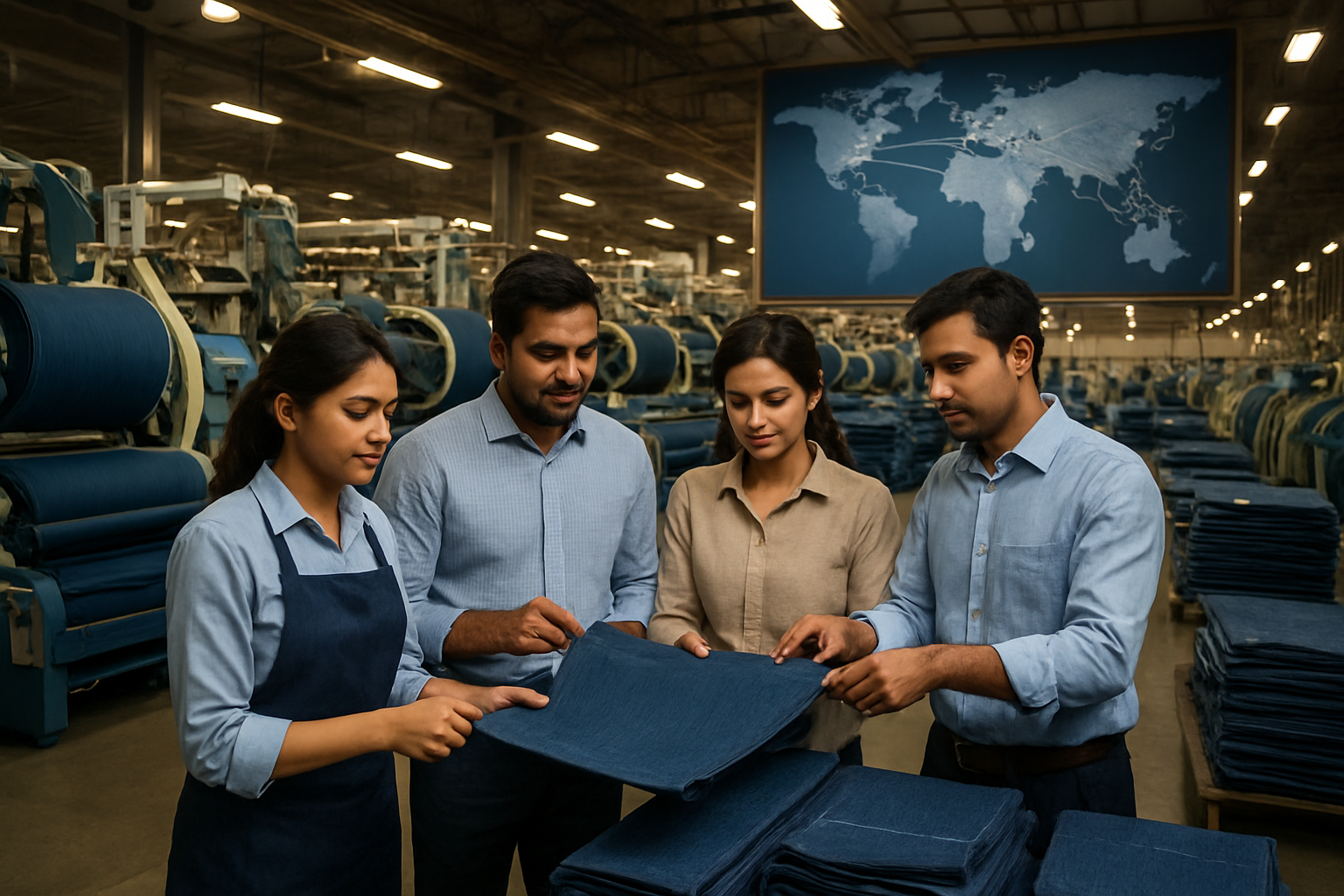
Indian denim manufacturers have transformed from local players to global powerhouses, earning trust from retailers across Europe, America, and Asia through their commitment to quality, innovation, and reliability. Their strategic location, cutting-edge technology, and streamlined supply chains have created a winning formula that appeals to international brands looking for dependable partners. The combination of skilled craftsmanship, competitive pricing, and sustainable practices has positioned these companies as preferred suppliers in an increasingly competitive market.
The future looks bright for Indian denim brands as they continue to expand their global footprint and strengthen existing partnerships. If you’re a retailer searching for a reliable denim supplier, consider exploring what Indian manufacturers have to offer – their proven track record and commitment to excellence might be exactly what your brand needs to stay ahead in today’s fast-moving fashion landscape.