

How Private Labels Are Driving Import Demand
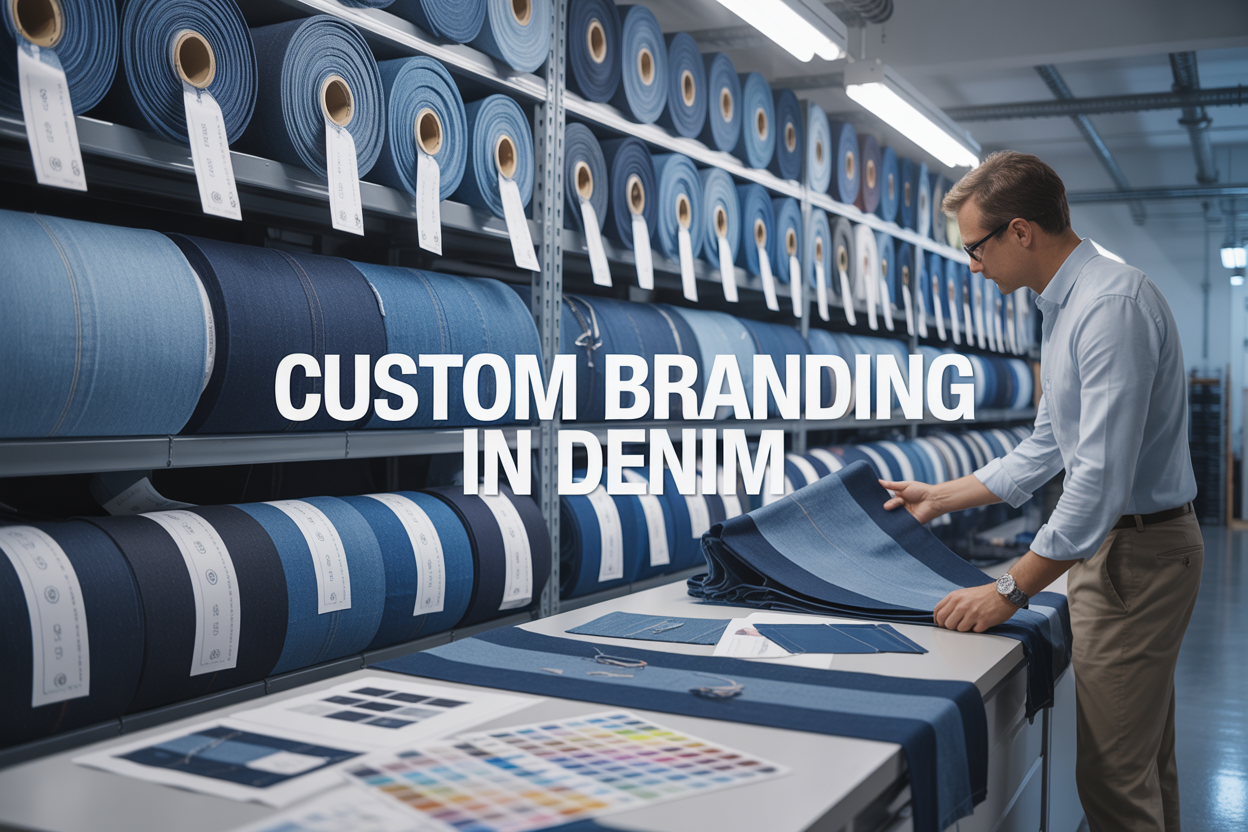
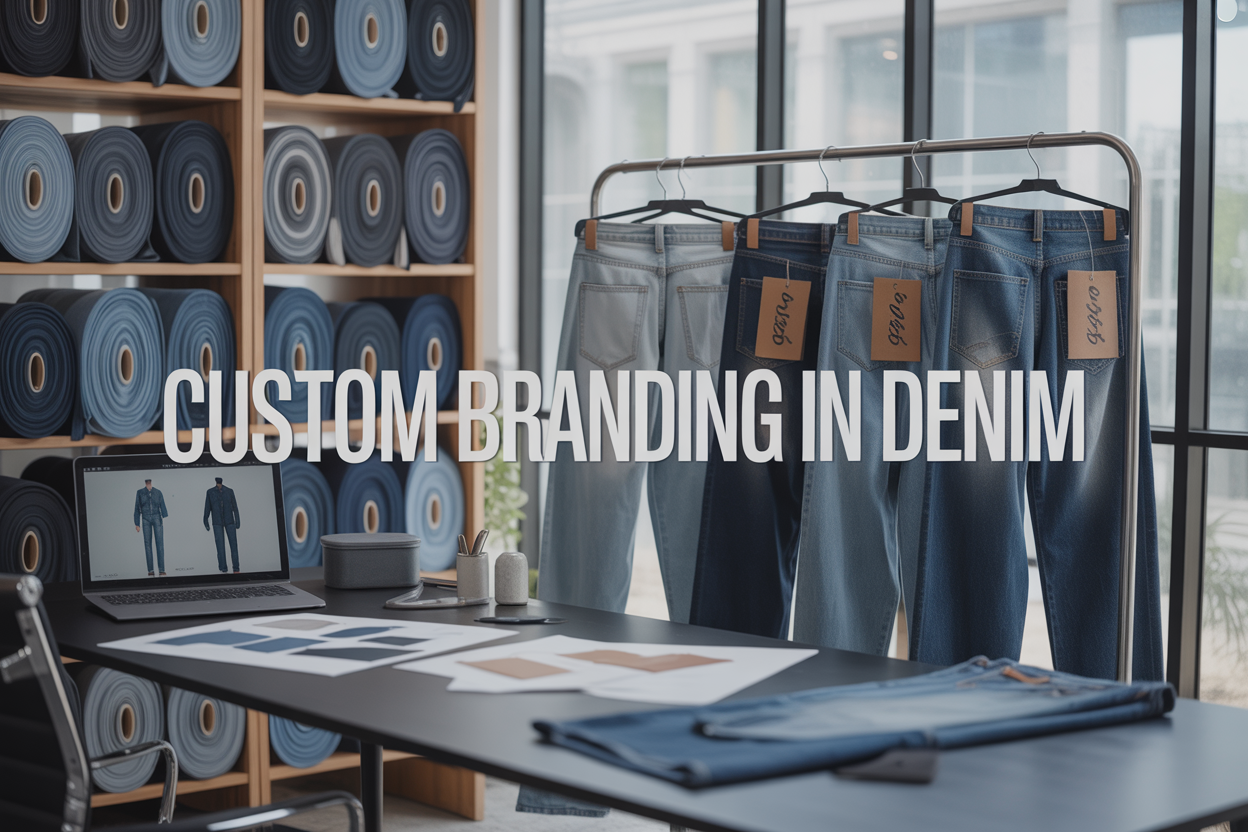
Private label denim has completely changed how fashion brands and retailers approach the denim market. Instead of buying generic products, companies are now creating their own custom branded denim lines that reflect their unique identity and customer preferences.
This comprehensive guide is designed for fashion entrepreneurs, retail buyers, brand managers, and business owners who want to understand how custom denim branding is reshaping import strategies and driving unprecedented demand in the global market.
We’ll explore the key benefits that make private label manufacturing so attractive to denim importers, from better profit margins to complete creative control over product development. You’ll also discover how strategic manufacturing partnerships are opening new doors for brands looking to enter or expand in the denim space, and learn about the design and customization options that are fueling this massive shift in consumer demand.
Understanding the Private Label Denim Revolution

Market shift from generic to customized denim solutions
The denim industry is experiencing a massive transformation as retailers abandon cookie-cutter approaches for private label denim solutions. Traditional manufacturers once dominated the market with standard fits and basic washes, but today’s consumers crave products that reflect their unique style preferences. This shift has created unprecedented opportunities for importers who understand the value of custom branded denim.
Retailers are discovering that generic denim simply doesn’t cut it anymore. When every store carries similar products, differentiation becomes impossible. Smart businesses are turning to private label manufacturing to create distinctive product lines that can’t be found elsewhere. This approach allows retailers to control everything from fabric selection to hardware details, creating truly unique offerings that command premium pricing.
The numbers tell the story clearly – retailers using private label strategies report 20-40% higher profit margins compared to those selling generic brands. This financial advantage stems from eliminating middleman markups while maintaining direct control over production costs and quality standards.
Rising consumer demand for unique brand experiences
Today’s shoppers aren’t just buying jeans; they’re investing in brand stories and experiences that resonate with their personal identity. This fundamental shift in consumer behavior has supercharged denim import demand as retailers scramble to create meaningful connections with their customers.
Social media has amplified this trend exponentially. When customers share photos wearing their favorite jeans, they want to showcase brands that reflect their personality. Generic products fail to create these shareable moments, while custom denim branding provides the distinctive elements that generate organic marketing through user-generated content.
Generation Z and millennial consumers actively seek brands that align with their values and aesthetic preferences. They’re willing to pay premium prices for products that feel exclusively theirs. This demographic shift has created a goldmine for retailers who embrace custom denim production strategies.
| Consumer Preference | Generic Brands | Private Label Brands |
|---|---|---|
| Brand Loyalty | Low (15-25%) | High (60-75%) |
| Price Sensitivity | High | Moderate |
| Social Sharing | Minimal | Frequent |
| Repeat Purchases | Infrequent | Regular |
Cost advantages of private labeling over traditional manufacturing
Private label clothing import strategies deliver substantial financial benefits that traditional retail models simply cannot match. Direct relationships with manufacturers eliminate multiple layers of markup that typically inflate costs by 200-300%. This cost structure allows retailers to offer competitive prices while maintaining healthy profit margins.
Working directly with overseas manufacturers provides access to the same production facilities used by major brands, but without the brand premium. Retailers can source high-quality private label denim at a fraction of the cost of branded alternatives. These savings can be passed on to consumers or retained as additional profit – a strategic decision based on market positioning goals.
Volume commitments often unlock additional cost advantages. Manufacturers offer significant discounts for larger orders, and the predictable production schedules help optimize their operations. This creates a win-win scenario where both parties benefit from the long-term partnership approach.
Quality control becomes more manageable when working directly with manufacturers. Retailers can implement their own standards and inspection processes, ensuring consistent product quality without relying on third-party brand standards that may not align with their specific requirements.
Global expansion opportunities through custom branding
Custom denim branding opens doors to international markets that might otherwise remain inaccessible. Private label strategies allow retailers to adapt their products for different regional preferences without the constraints imposed by established brand guidelines. This flexibility becomes invaluable when expanding into diverse global markets.
Cultural preferences vary dramatically across different regions. Asian markets might prefer slimmer cuts with specific wash treatments, while European consumers gravitate toward different styling details. Denim brand development through private labeling allows retailers to customize their offerings for each target market without compromising their core brand identity.
Export opportunities multiply when retailers control their own product lines. Instead of competing with identical products available worldwide, private label brands offer exclusivity that international distributors value. This uniqueness commands better wholesale terms and creates stronger partnership opportunities.
The scalability of private label operations supports rapid international growth. Once systems are established with reliable manufacturing partners, expanding production for new markets becomes straightforward. This operational advantage allows ambitious retailers to capture market share quickly in emerging territories.
Denim import strategies built around private labeling also provide greater protection against currency fluctuations and trade disruptions. Diversified supplier relationships and flexible production arrangements help maintain stability even when global conditions become challenging.
Key Benefits of Custom Branding for Denim Importers

Enhanced profit margins through exclusive product lines
Private label denim manufacturing creates a direct path to significantly higher profit margins compared to reselling branded merchandise. When importers work with custom denim production facilities, they eliminate the brand premium typically associated with established labels, allowing them to capture those margins for themselves. This advantage becomes particularly pronounced in the mid-to-premium denim segments, where private label clothing import operations can achieve margins of 60-70% compared to 30-40% on branded alternatives.
The exclusive nature of custom branded denim means importers aren’t competing on identical products in saturated markets. Instead of racing to the bottom on price with dozens of other retailers selling the same branded jeans, private label operators can position their unique designs at premium price points. This pricing flexibility allows for strategic market positioning that aligns with target customer demographics while maintaining healthy profit margins.
Complete control over brand messaging and positioning
Custom denim branding gives importers unprecedented control over their narrative and market positioning. Rather than being constrained by existing brand guidelines or market perceptions, private label denim operators can craft messaging that resonates specifically with their target audience. This control extends from product storytelling and sustainability messaging to fit philosophy and style positioning.
Brand development through private label manufacturing allows companies to adapt quickly to market trends and customer feedback. If a particular wash becomes popular or a new fit gains traction, private label brands can pivot their messaging and product focus without waiting for brand partnerships or wholesale agreements. This agility proves invaluable in the fast-moving denim market where consumer preferences can shift seasonally.
The messaging control also enables importers to build authentic connections with their customer base by aligning product stories with company values, whether that’s sustainability, craftsmanship, or lifestyle positioning.
Faster market entry with established manufacturing partnerships
Partnering with experienced denim import strategies specialists dramatically accelerates time-to-market for new brands. Established manufacturers bring decades of technical expertise, from pattern making to wash development, allowing new entrants to bypass the lengthy learning curve typically associated with denim production.
These manufacturing relationships provide access to proven supply chains, quality control systems, and production capabilities that would take years to develop independently. Many manufacturers offer comprehensive branded denim manufacturing services, including design consultation, sample development, and production scaling, creating a streamlined path from concept to market.
The speed advantage becomes particularly valuable when capturing emerging trends or seasonal opportunities. While competitors struggle with complex brand negotiations or limited product availability, private label operators can move from design concept to finished product in 90-120 days.
Reduced competition through unique product differentiation
Custom denim production enables importers to create genuinely unique products that stand apart in crowded marketplaces. Through exclusive washes, proprietary fits, distinctive hardware, and custom details, private label brands can establish clear differentiation that’s difficult for competitors to replicate.
This differentiation goes beyond surface-level styling. Private label manufacturers can develop exclusive denim fabrics, innovative stretch technologies, or specialized treatments that become signature elements of the brand. These unique features create barriers to entry and reduce direct price competition since customers can’t find identical products elsewhere.
The differentiation strategy works particularly well in niche markets where specific customer needs aren’t fully addressed by mainstream brands. Whether targeting tall sizes, sustainable materials, or specific lifestyle applications, private label denim brands can own these specialized segments without direct competition from major labels.
Manufacturing Partnerships Driving Import Growth

Asian suppliers specializing in private label denim production
The denim manufacturing landscape in Asia has transformed dramatically, with suppliers developing sophisticated capabilities specifically for private label denim production. Countries like China, Vietnam, Bangladesh, and Turkey have established themselves as powerhouses in custom branded denim manufacturing, offering comprehensive solutions that go far beyond basic production.
Chinese manufacturers lead the pack with state-of-the-art facilities equipped for everything from organic cotton processing to laser finishing technologies. Vietnamese suppliers have gained recognition for their ability to handle complex private label requirements while maintaining competitive pricing structures. Bangladesh offers cost effective solutions for volume production, while Turkish manufacturers excel in premium quality custom denim production with shorter lead times for European and American markets.
These Asian suppliers understand that private label clothing import requires more than just manufacturing capacity. They provide end-to-end services including design consultation, sample development, quality control, and logistics coordination. Many have dedicated teams focused exclusively on private label partnerships, ensuring brands receive the attention needed for successful custom denim branding initiatives.
The specialization goes deeper than basic production capabilities. Leading suppliers maintain extensive libraries of washes, treatments, and finishing options that brands can leverage for their custom denim production. They also offer fabric development services, allowing importers to create unique textile blends that differentiate their products in competitive markets.
Advanced customization capabilities in fabric and finishing
Modern denim import strategies rely heavily on suppliers’ advanced customization capabilities that extend across every aspect of fabric development and finishing. Today’s private label manufacturing partners offer an unprecedented range of fabric options, from traditional indigo-dyed cotton to innovative blends incorporating recycled fibers, elastane, and even high-tech materials like moisture-wicking synthetics.
Fabric customization begins with yarn selection and weaving patterns. Suppliers can create custom weights ranging from lightweight 6oz fabrics perfect for summer collections to heavy-duty 21oz options for premium markets. Ring-spun, open-end, and slub yarns can be combined in various configurations to achieve specific texture and performance characteristics that align with brand positioning.
Finishing capabilities have reached new heights of sophistication. Laser technology allows for precise distressing patterns that would be impossible to achieve manually, while eco-friendly ozone treatments provide authentic vintage looks without harsh chemical processes. Suppliers offer extensive wash libraries including enzyme washes, stone washing, acid treatments, and specialty finishes like resin coating or silicone softening.
Color customization extends beyond traditional indigo to include sulfur dyes, garment-dyed options, and specialty color treatments. Advanced suppliers maintain color matching laboratories that can reproduce exact Pantone specifications or develop completely unique colorways for branded denim manufacturing projects.
The customization extends to hardware and trim options, with suppliers maintaining relationships with specialized manufacturers for buttons, rivets, labels, and patches that complete the custom branding experience.
Scalable production volumes for growing brands
Scalability represents one of the most critical factors driving denim import demand among private label brands. Asian manufacturing partners have developed flexible production systems that accommodate brands at every stage of growth, from startup quantities of 500 pieces per style to established brands requiring tens of thousands of units.
Minimum order quantities (MOQs) have become increasingly flexible as suppliers recognize the diverse needs of the private label market. Progressive manufacturers offer tiered MOQ structures where initial orders might start at 300-500 pieces per colorway, with reduced minimums available as relationships develop and volumes increase. This approach allows emerging brands to test markets without massive inventory commitments while providing clear pathways for scaling production as demand grows.
Production scheduling flexibility enables brands to respond quickly to market trends and seasonal demands. Leading suppliers maintain capacity buffers and can accommodate rush orders or production increases with minimal lead time extensions. This agility proves essential for private label denim brands competing in fast-moving retail environments where timing can determine success or failure.
Quality control systems scale alongside production volumes, ensuring consistent standards whether producing hundreds or thousands of pieces. Automated cutting systems, computerized sewing operations, and systematic quality checkpoints maintain product consistency across large production runs while preserving the attention to detail required for premium custom denim branding.
The scalability extends to logistics and shipping coordination, with suppliers offering consolidated shipping options that reduce per-unit costs as volumes increase. Many maintain relationships with freight forwarders specializing in textile imports, streamlining the entire supply chain from production floor to destination warehouse.
Design and Customization Options Fueling Demand

Exclusive wash treatments and distressing techniques
The art of wash treatments and distressing has become the cornerstone of custom denim branding, allowing private label manufacturers to create signature looks that set brands apart in competitive markets. Modern distressing techniques go far beyond basic stone washing, incorporating advanced methods like laser etching, ozone bleaching, and enzyme treatments that create unique textures and patterns impossible to replicate through traditional means.
Private label denim manufacturers now offer extensive catalogs of proprietary wash formulas, each designed to capture specific aesthetic moods. From vintage-inspired acid washes that recreate the weathered look of decades-old pieces to precision laser distressing that creates intricate patterns without compromising fabric integrity, these techniques drive significant denim import demand as brands seek exclusive treatments unavailable through standard production runs.
The chemical innovation behind these processes has revolutionized custom denim production, with manufacturers developing signature wash recipes that become brand identifiers. Potassium permanganate applications create distinctive marbling effects, while advanced sandblasting alternatives produce authentic worn patterns without traditional environmental concerns.
Custom hardware and labeling solutions
Hardware customization represents one of the most visible aspects of private label manufacturing, transforming basic denim pieces into distinctive brand statements. Custom rivets, buttons, zippers, and buckles serve as miniature brand ambassadors, often featuring embossed logos, unique finishes, or proprietary designs that reinforce brand identity with every wear.
Branded denim manufacturing has evolved to include specialized hardware sourcing networks, where manufacturers maintain relationships with metal suppliers capable of producing everything from antique brass finishes to modern gunmetal treatments. These partnerships enable rapid prototyping of hardware concepts, allowing brands to test market response before committing to large production runs.
Labeling solutions extend beyond simple logo placement, incorporating woven labels, leather patches, heat transfers, and embroidered details that create layered brand experiences. Many custom denim branding strategies now include hidden details like custom pocket linings, branded thread colors, or signature stitching patterns that create subtle brand recognition among knowledgeable consumers.
Sustainable fabric options and eco-friendly processes
Environmental consciousness has become a major driver in denim import strategies, with brands responding to consumer demand for responsible production practices. Organic cotton blends, recycled polyester integrations, and innovative fiber technologies like Tencel and hemp create sustainable alternatives without sacrificing the authentic denim feel consumers expect.
Private label clothing import increasingly focuses on mills that have invested in closed-loop water systems, reduced-chemical dyeing processes, and energy-efficient production methods. These eco-friendly processes often command premium pricing but deliver the sustainability credentials that modern consumers actively seek when making purchasing decisions.
The development of waterless finishing techniques and biodegradable treatment chemicals has opened new possibilities for brands positioning themselves in the sustainable fashion space. These innovations allow custom denim production to maintain quality standards while meeting increasingly stringent environmental regulations across global markets.
Size-inclusive ranges for diverse market segments
Market expansion through size inclusivity has become a critical component of successful denim brand development, with private label manufacturers adapting their capabilities to serve broader demographic ranges. Extended sizing requires specialized pattern grading, fit modifications, and often different fabric weight considerations to maintain comfort and durability across all size ranges.
Custom branded denim manufacturers have invested in sophisticated grading systems that maintain design integrity while accommodating diverse body types. This technical expertise includes understanding how different wash treatments and distressing techniques translate across size ranges, ensuring consistent aesthetic appeal regardless of garment dimensions.
The demand for inclusive sizing has created specialized manufacturing partnerships where facilities focus exclusively on extended size production, developing expertise in the unique challenges of maintaining fit standards across diverse measurements while preserving the design elements that define each brand’s aesthetic identity.
Trend-responsive design modifications
Rapid trend adaptation has become essential for private label denim success, with manufacturers developing systems for quick design modifications that capture emerging fashion movements without long development cycles. This agility includes everything from adjusting rise heights and leg shapes to incorporating trending details like cargo pockets or utility features.
Social media influence on denim trends requires manufacturers to maintain flexible production capabilities, often keeping basic silhouettes in production while rapidly incorporating trending elements through modular design approaches. This strategy allows brands to respond to viral fashion moments without complete production overhauls.
The integration of trend forecasting with manufacturing capabilities has created a new category of denim import demand where brands partner with manufacturers specifically for their ability to rapidly prototype and produce trend-responsive variations, often working with lead times measured in weeks rather than traditional seasonal planning cycles.
Market Entry Strategies for Private Label Success

Identifying target demographics and positioning gaps
Success in private label denim starts with understanding exactly who you’re selling to and where competitors fall short. Smart importers dig deep into demographic data, analyzing age groups, income levels, lifestyle preferences, and shopping behaviors. The key is finding those underserved segments that major brands might be overlooking.
Take the rise of sustainable denim buyers aged 25-40 who value transparency over flashy marketing. Many established brands haven’t fully tapped into this growing market segment that’s willing to pay premium prices for ethically-produced, custom branded denim. Another gap exists in the plus-size market, where many consumers struggle to find well-fitting, stylish options from mainstream retailers.
Market research should include studying competitor pricing strategies, brand positioning, and customer reviews to spot opportunities. Social media analytics reveal valuable insights about what customers really want versus what’s currently available. Private label denim importers who identify these positioning gaps early can establish strong market presence before larger competitors catch on.
Geographic analysis also matters – certain regions might lack access to specific denim styles or price points. Regional preferences for fits, washes, and styling details create opportunities for targeted private label manufacturing approaches.
Building strong supplier relationships for consistent quality
The backbone of successful denim import strategies lies in developing rock-solid partnerships with manufacturers who understand your quality standards and brand vision. This goes way beyond just finding the cheapest production option – it’s about building relationships that support long-term growth and brand reputation.
Start by thoroughly vetting potential suppliers through factory visits, quality audits, and sample testing. The best private label manufacturing partners offer transparency in their processes, from fabric sourcing to finishing techniques. They should provide detailed production timelines, quality control measures, and clear communication channels throughout the manufacturing process.
Establishing minimum quality standards upfront prevents costly issues down the road. Document everything – thread specifications, wash formulas, hardware requirements, and finishing details. Regular quality inspections during production catch problems early rather than discovering issues after shipment arrives.
Payment terms and order minimums need careful negotiation to balance cash flow with production efficiency. Many successful importers start with smaller test orders to evaluate supplier capabilities before committing to larger volumes. Building trust takes time, but suppliers who consistently deliver quality products become invaluable partners for scaling your private label clothing import business.
Consider working with suppliers who offer design support and trend forecasting. These value-added services help differentiate your custom denim production from generic options while streamlining the development process.
Developing effective brand storytelling around custom products
Creating compelling narratives around your custom branded denim transforms ordinary products into must-have items that customers connect with emotionally. The story behind your brand needs to resonate with your target audience while highlighting what makes your denim unique in a crowded marketplace.
Authenticity drives successful denim brand development. Customers can spot fake stories from miles away, so base your narrative on real experiences, values, and missions. Whether it’s celebrating craftsmanship, promoting sustainability, or empowering self-expression, your story should feel genuine and consistent across all touchpoints.
Visual storytelling works especially well in the denim industry. Behind-the-scenes content showing the design process, manufacturing techniques, or founder journey creates transparency that modern consumers crave. Social media platforms offer perfect venues for sharing these authentic moments while building community around your brand.
Product storytelling should highlight specific features and benefits that matter to your customers. Instead of generic descriptions, explain how your custom denim branding addresses real problems or fulfills specific desires. Maybe your jeans use innovative stretch technology for active lifestyles, or your manufacturing process supports local communities.
Customer testimonials and user-generated content amplify your brand story while providing social proof. When real customers share how your products fit into their lives, it creates more powerful marketing than traditional advertising. Encourage customers to share their experiences and build these authentic voices into your ongoing brand narrative across all marketing channels.

Private label denim has completely changed the game for importers looking to build their own brands. The ability to customize everything from fits and washes to labels and packaging gives companies the power to create unique products that stand out in a crowded market. This flexibility, combined with strong manufacturing partnerships, has opened up incredible opportunities for businesses to enter the denim space without the massive overhead of building their own production facilities.
The numbers don’t lie – import demand continues to grow as more companies recognize the profit potential and brand control that comes with private labeling. Smart importers are focusing on building solid relationships with manufacturers who can deliver quality and consistency while offering the design flexibility today’s consumers expect. If you’re considering jumping into the private label denim market, start by identifying your target customer and finding manufacturing partners who can bring your vision to life. The opportunity is there, and the tools to succeed have never been more accessible.